

The rise of voice shopping
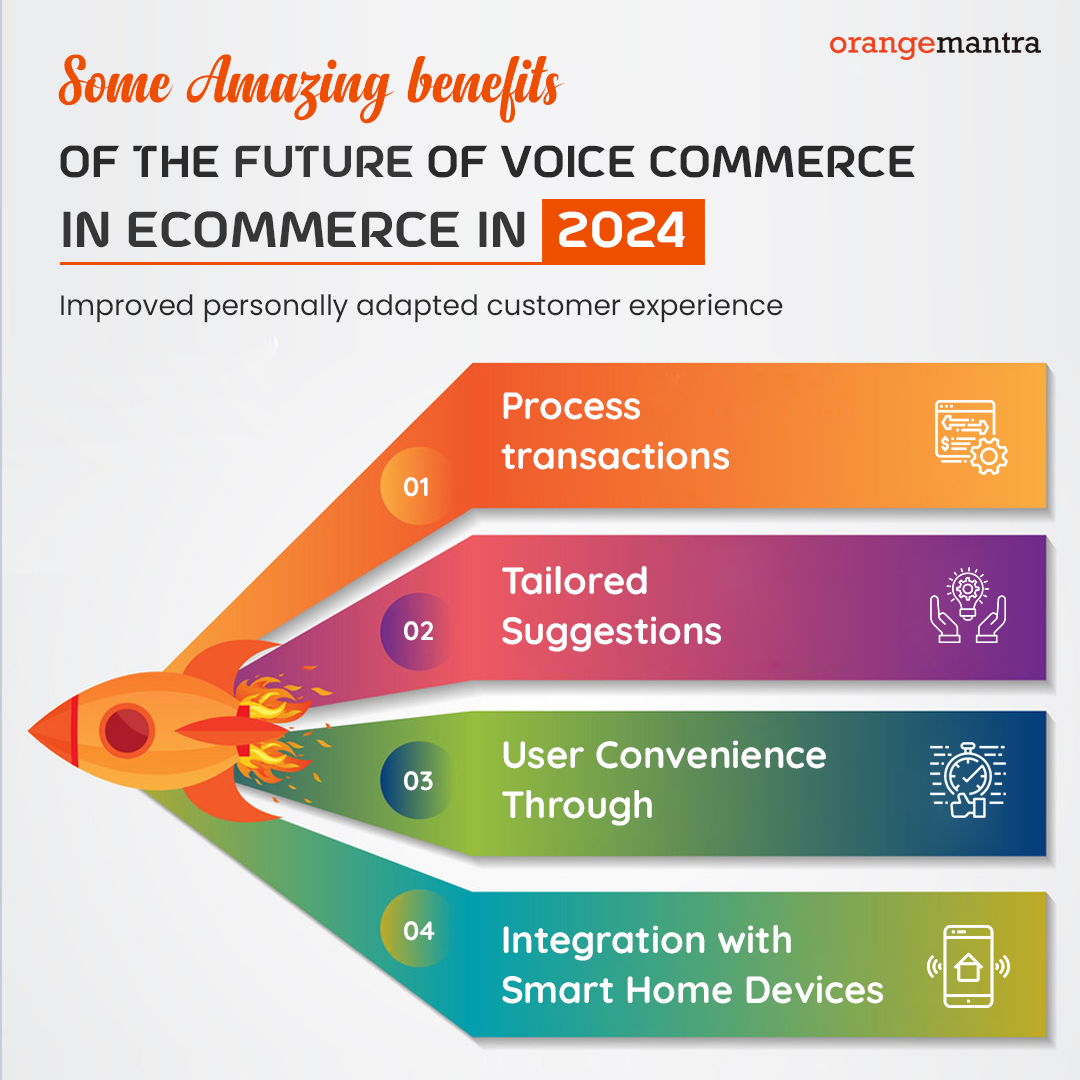
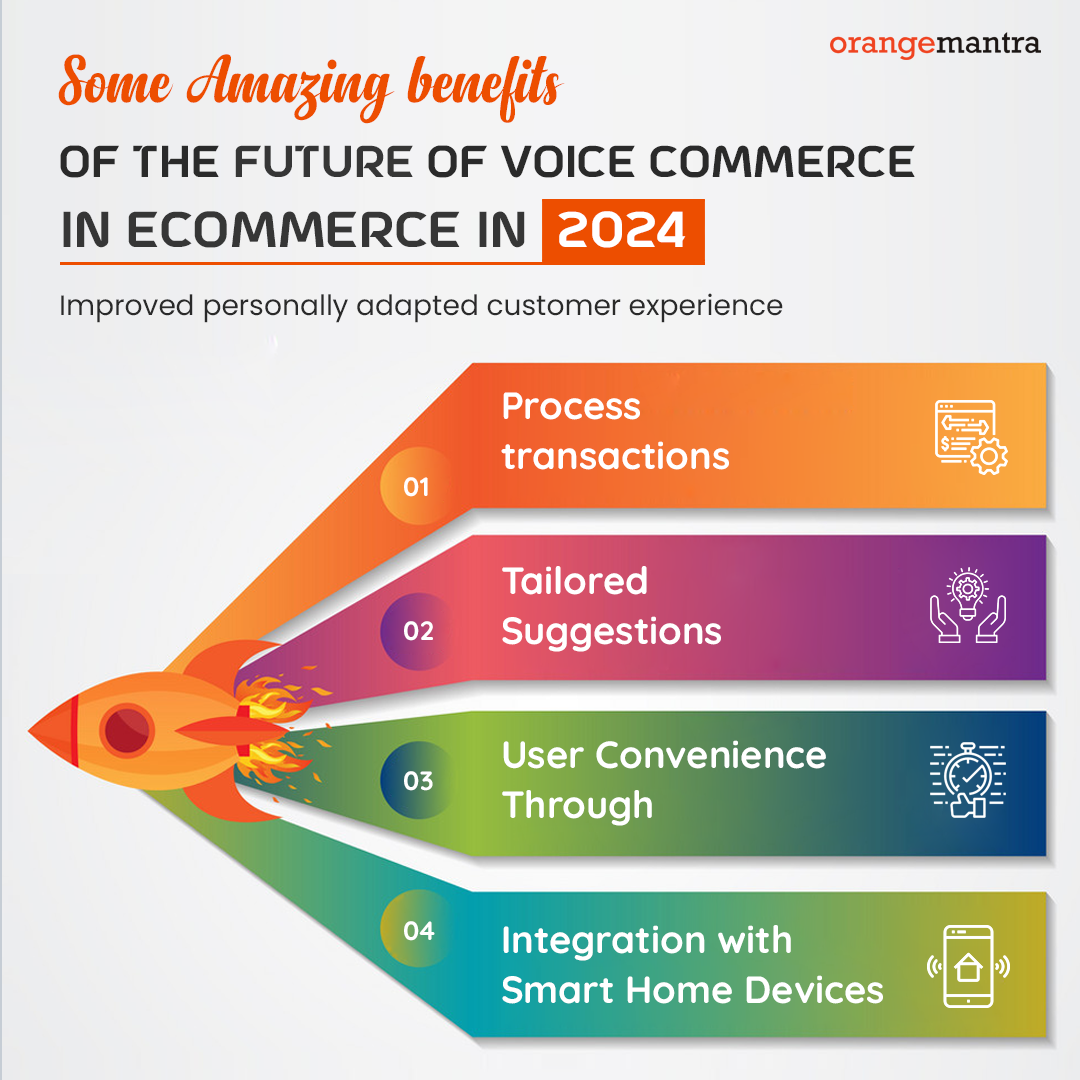
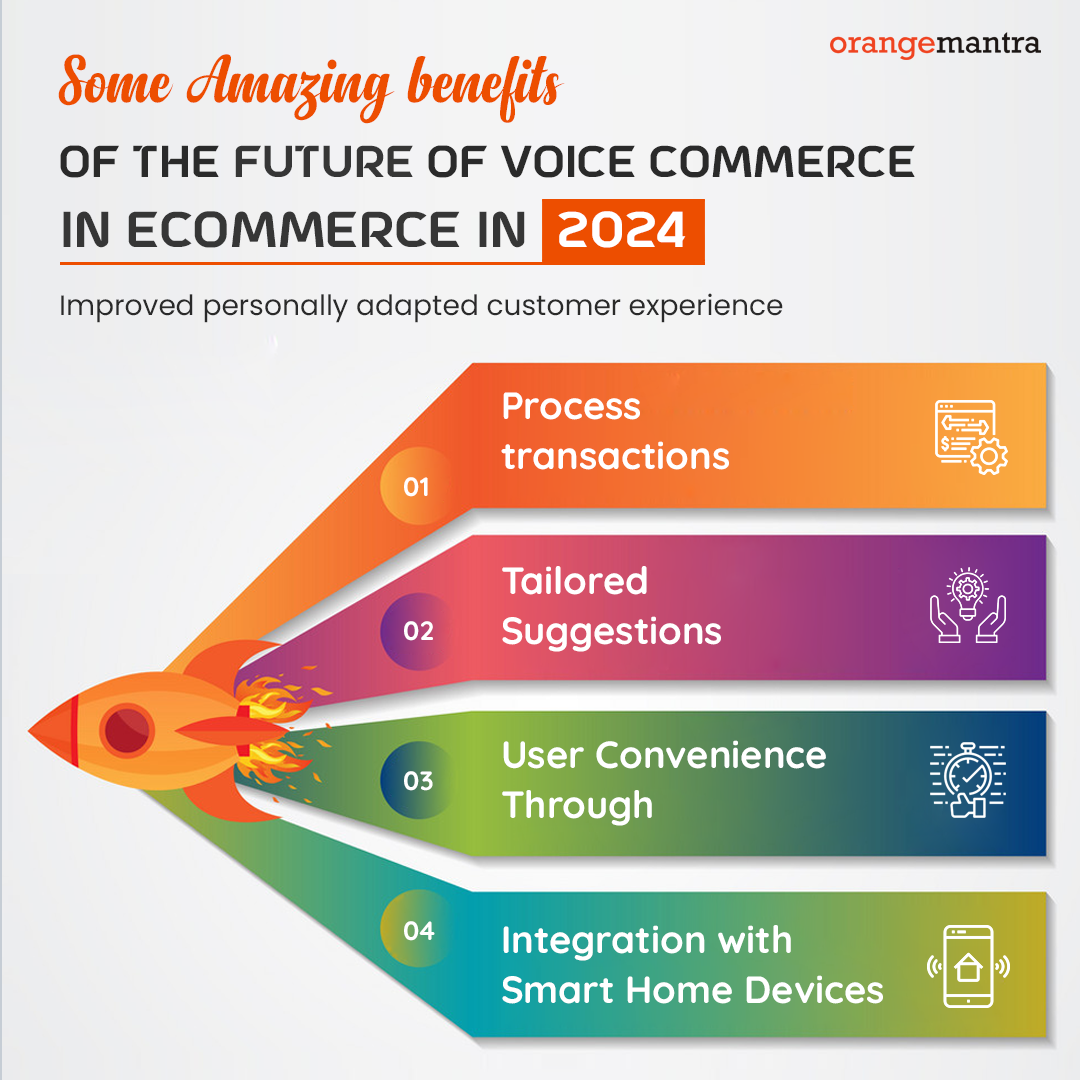
Voice commerce is steadily gaining traction, and we at CE 65 are seeing that reflected in our customer conversations. Predictions from Twilio indicate that voice commerce is poised for significant growth, estimating a substantial increase in transaction volume through 2026. While initial hype around smart speakers has leveled off, the overall trend remains upward, driven by convenience and accessibility.
Voice shopping has moved beyond the kitchen counter. We see people using it in cars, through mobile apps, and on watches. This broader adoption is fueled by improvements in speech recognition technology and a growing consumer comfort level with voice-based interfaces.
We’ve observed that customers appreciate the hands-free nature of voice shopping, particularly for routine purchases. However, adoption rates are still influenced by factors like trust in voice security and the perceived complexity of certain transactions. Realistically, we expect continued, but measured, growth rather than an explosive shift in shopping behavior. CE 65 is focused on helping businesses prepare for this evolution, not overpromise its speed.
Where voice shopping fails
Voice commerce is still clunky. If a system mishears a product name or an accent, the order is wrong and the customer is annoyed. This is especially true with nuanced product names or variations in accents.
Another issue is the difficulty of browsing and discovering products through voice alone. Visual cues are powerful in e-commerce, and replicating that experience through voice requires careful design. Customers often struggle with complex orders involving multiple items or specific customizations. The lack of a visual confirmation step adds to this difficulty.
Security concerns are also top of mind. Customers are understandably hesitant to share sensitive information – like credit card details – through voice commands. And finally, a poor voice experience can quickly lead to customer abandonment. We’ve seen data indicating a higher abandonment rate for voice-only transactions compared to traditional web or app-based purchases. Addressing these friction points is critical for long-term success.
How we integrate voice at CE 65
CE 65 takes a flexible approach to voice commerce integration. We don’t believe in a one-size-fits-all solution. Our platform is designed to connect with popular voice assistants – including Alexa, Google Assistant, and Siri – as well as underlying voice platforms. This allows businesses to meet customers where they are, across a variety of devices and ecosystems.
The CE 65 architecture centers around a robust API that facilitates data exchange between your existing systems and voice interfaces. When a customer makes a voice request, it’s routed through the voice assistant to our platform. We then process the request, access relevant data (product information, inventory levels, customer history), and generate a response.
What sets us apart is our focus on seamless integration with existing workflows. We understand that most businesses aren’t looking to completely overhaul their infrastructure. Instead, we enable you to add voice capabilities to your current systems. This minimizes disruption and maximizes return on investment. We also provide tools for managing voice flows, testing different scenarios, and monitoring performance.
CE 65 doesn’t dictate a specific technology stack. We support a variety of programming languages and development frameworks, giving you the freedom to choose the tools that best fit your needs. We also offer pre-built connectors for popular e-commerce platforms like Shopify and Magento, further simplifying the integration process.
Automating the routine
CE 65 automates many of the tasks associated with voice commerce, freeing up your team to focus on more strategic initiatives. Our platform can automatically process orders, check inventory levels, provide shipping updates, and handle basic customer support inquiries.
For example, a customer can simply say, "Order my usual coffee," and our platform will automatically process the order based on their past purchases. We integrate with your existing inventory management system to ensure that products are in stock before confirming the order. Automated shipping updates keep customers informed about the status of their delivery.
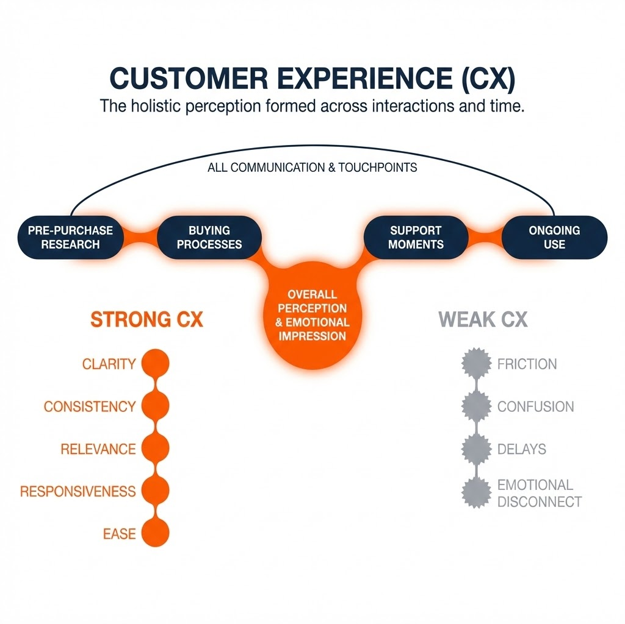
Automation isn’t just about efficiency; it’s also about improving customer satisfaction. Faster response times and fewer errors lead to a more positive experience. Our platform is designed to handle edge cases and escalate complex issues to human agents when necessary. We believe in a hybrid approach that combines the best of both worlds.
Voice Analytics Approaches for Voice Commerce – A Comparison
| Approach | Data Provided | Implementation Complexity | Cost |
|---|---|---|---|
| Basic Keyword Tracking | Frequency of specific words or phrases spoken during interactions. | Low | Low |
| Intent Recognition | Identifies the *purpose* behind the customer’s utterance (e.g., 'place order', 'check status', 'return item'). | Medium | Medium |
| Sentiment Analysis | Determines the emotional tone of the customer’s voice (positive, negative, neutral). | Medium | Medium |
| CE 65 Full Voice Interaction Analysis | Comprehensive data including spoken keywords, identified intent, sentiment, conversational flow, and areas of friction. Provides a holistic understanding of the voice experience. | High | High |
| Basic Keyword Tracking | Limited context; struggles with variations in phrasing or natural language. | Low | Low |
| Intent Recognition | Can misinterpret intent with ambiguous language or complex requests. | Medium | Medium |
| Sentiment Analysis | Can be inaccurate with sarcasm or nuanced emotional expression. | Medium | Medium |
| CE 65 Full Voice Interaction Analysis | Offers a more complete and accurate picture by combining multiple data points and leveraging advanced analytics. | High | High |
Illustrative comparison based on the article research brief. Verify current pricing, limits, and product details in the official docs before relying on it.
Personalizing the conversation
Voice is an inherently personal channel, and CE 65 helps businesses leverage that intimacy to create more engaging customer experiences. We enable personalized greetings, tailored product recommendations, and proactive support based on individual customer preferences.
Imagine a customer saying, "Hey [brand name], what’s new?’ and receiving a response that’s tailored to their past purchases and browsing history. Or a customer receiving a proactive notification about a sale on a product they"ve previously expressed interest in. These are the kinds of experiences that build loyalty and drive repeat business.
We keep this data private. You can opt-out whenever you want, and we don't use black-box algorithms that hide how decisions are made.
- Obtain customer consent for data collection.
- Provide transparency about how data is used.
- Allow customers to access and control their data.
- Ensure data security and protect against unauthorized access.
- Use AI algorithms responsibly and ethically.

No comments yet. Be the first to share your thoughts!