

Voice shopping growth through 2026
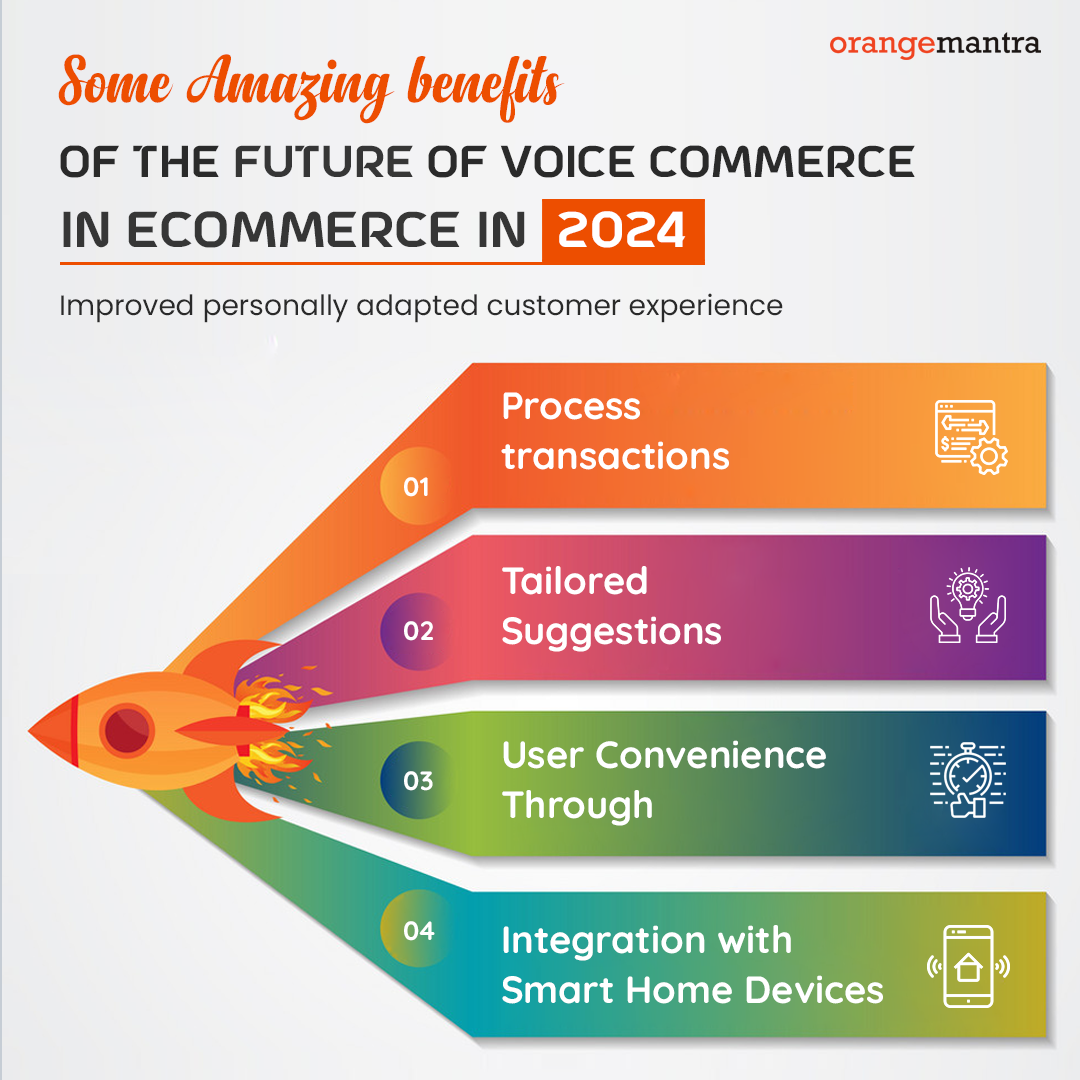
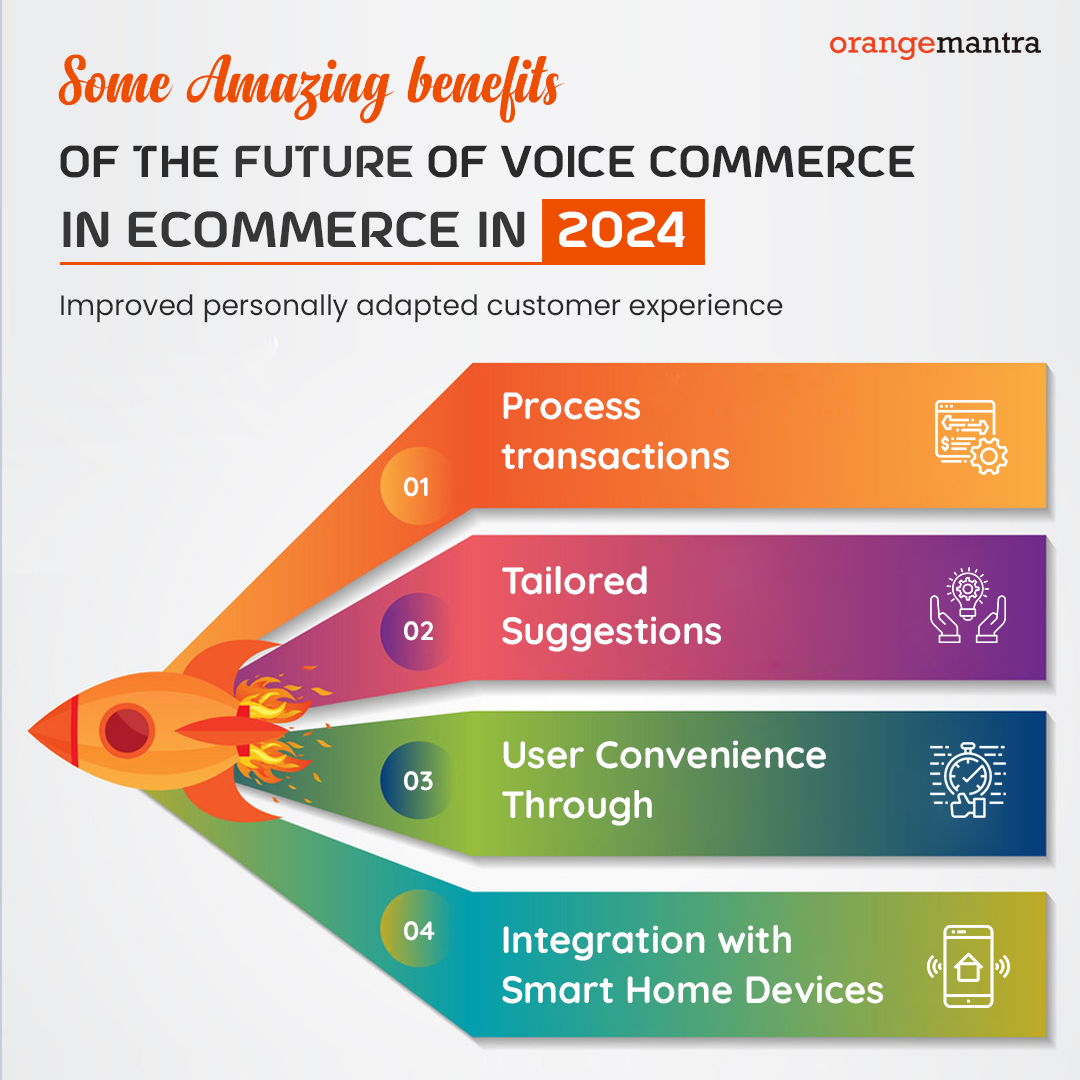
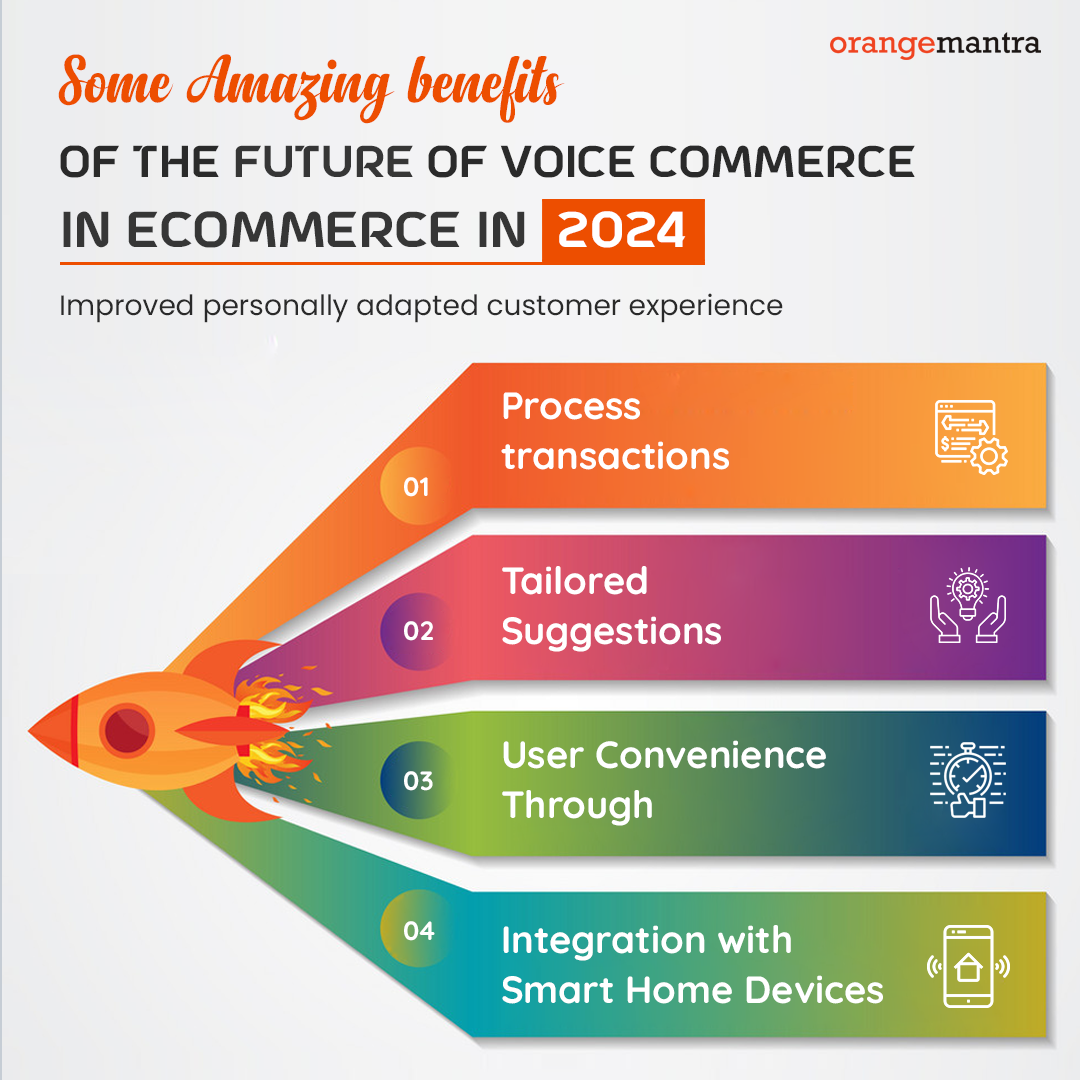
Voice commerce is finally moving past the 'gimmick' phase. Twilio's late 2023 data shows 65% of shoppers want to buy things via voice assistants. It's not just for setting kitchen timers anymore; people are actually ready to spend money through these devices.
Smart speaker penetration continues to expand, reaching nearly 60% of US households in 2024. More importantly, the underlying technology is improving dramatically. Advancements in natural language processing (NLP) are making voice interactions more accurate and intuitive, reducing frustration and increasing user confidence. Cloudflight.io notes the rise of 'Agentic AI' which is giving voice assistants more autonomy.
This isn't limited to consumer goods. B2B applications are emerging, particularly in areas like order tracking, inventory checks, and simple re-orders. The ability to quickly access information and initiate transactions hands-free offers a clear efficiency gain for businesses. I believe we'll see widespread adoption in fields like industrial supplies and maintenance services.
Looking ahead to 2026, projections from various analysts suggest voice commerce will represent a sizable portion of overall e-commerce sales – estimates range from 15% to 20%, depending on the category. This growth is fueled by convenience, accessibility, and the increasing sophistication of voice technology.
Where voice shopping fails today
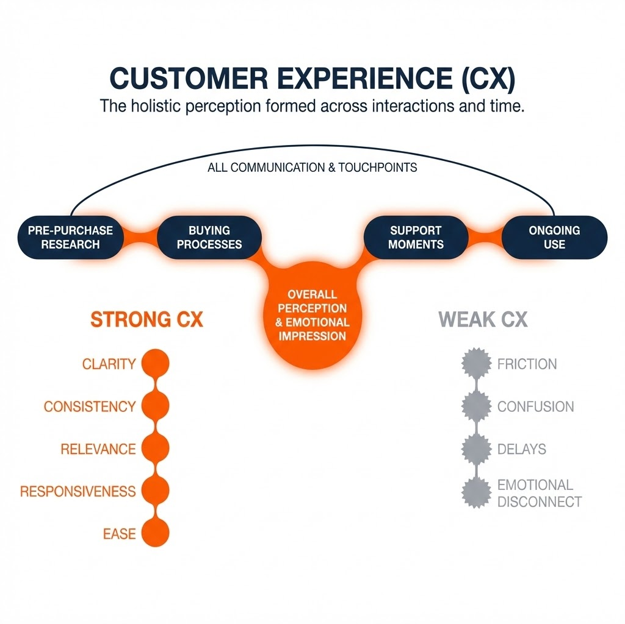
Despite the potential, voice commerce faces significant customer experience (CX) challenges. Unlike traditional e-commerce, where visual cues play a dominant role, voice shopping relies entirely on auditory interaction. This creates friction, especially when it comes to product discovery. How do you 'browse' when you can't see?
Ambiguity in voice commands is a major problem. A request for 'running shoes' could yield a vast array of results, requiring extensive clarification. Cart abandonment rates are noticeably higher in voice commerce than on websites or mobile apps, largely due to this difficulty in refining searches and finding the desired product. It’s a different experience than typing a specific model number into a search bar.
Security concerns also loom large. Consumers are understandably hesitant to share sensitive payment information through voice assistants, especially in public spaces. And the lack of a visual confirmation step before completing a purchase can lead to errors and distrust. These concerns are valid and need to be addressed.
Compared to traditional e-commerce, voice shopping often feels less controlled. The user is reliant on the assistant's interpretation of their requests, and the lack of visual feedback can be disorienting. This leads to a less satisfying and more frustrating experience for many shoppers.
Of all Professions, we must respect the medical field and also know not expect customer experience management there.
— Festo Kato (@kat_festo) May 1, 2026
You can't be trying to save a life and still have to worry about greeting. Even though it takes just 5 seconds, it's where familiarity starts from.
Secondly,… https://t.co/vIdfYVjVY2
Conversational Commerce: Beyond Simple Transactions
Voice commerce isn’t just about replicating the online shopping experience through voice; it’s about creating a new, more conversational experience. The real opportunity lies in leveraging voice to build relationships with customers and provide personalized value.
Imagine a voice assistant proactively suggesting products based on a customer's past purchases and preferences – a truly personalized recommendation, not just a generic 'customers who bought this also bought' suggestion. Or a virtual assistant providing real-time support and troubleshooting assistance, guided by a natural language conversation. That's the power of conversational commerce.
This extends beyond simply fulfilling orders. Voice can be used to gather feedback, offer exclusive promotions, and build brand loyalty. For example, a clothing retailer could use voice to offer personalized styling advice or provide updates on new arrivals. It's about creating ongoing engagement, not just one-time transactions.
However, we need to be mindful of the ethical implications of hyper-personalization. Striking a balance between providing relevant recommendations and respecting customer privacy is crucial. Transparency and control over data usage are essential to building trust. I think regulation in this area is inevitable.
How CE 65 handles voice analytics
We built CE 65 to help you make sense of how people talk to your brand. The platform tracks where customers get frustrated and automates the easy responses so your team doesn't have to. We focus on turning raw audio logs into specific changes you can make to your checkout flow.
CE 65’s customer experience analytics capabilities are particularly relevant. We can analyze voice interactions to identify common pain points, understand customer intent, and measure the effectiveness of different voice prompts. This data informs optimization efforts and ensures a smoother, more intuitive experience. We can pinpoint where users are getting stuck or confused.
Automation is another key strength. CE 65 allows businesses to personalize responses based on customer data and context. This means tailoring product recommendations, offering proactive support, and streamlining the ordering process. We can integrate with popular voice assistant platforms like Amazon Alexa and Google Assistant to provide a seamless experience.
For example, a customer calling to check an order status can be automatically routed to the relevant information, without the need to speak to a human agent. This frees up valuable resources and improves customer satisfaction. CE 65 doesn’t just react to customer requests; it anticipates them.
Designing for Voice: Best Practices
Optimizing for voice requires a shift in mindset. You’re designing for an auditory experience, not a visual one. Clarity and conciseness are paramount. Voice prompts should be short, direct, and easy to understand. Avoid jargon and complex phrasing.
A well-designed voice user interface (VUI) is essential. Think about the natural flow of conversation. Guide users through the process with clear prompts and confirmations. And always provide an easy way to 'undo' or 'start over'.
Error handling is crucial. Voice assistants will inevitably misinterpret commands. Design your system to gracefully handle these errors, offering helpful suggestions and avoiding frustrating loops. A simple 'Did you mean…?' can save a lot of frustration.
Accessibility is often overlooked. Ensure your voice experience is usable for people with disabilities. Consider factors like speech rate, volume control, and support for alternative input methods. Testing with a diverse group of users is vital before launch.
- Keep your prompts short. People forget the beginning of a sentence if it drags on too long.
- Give people a way out. If the AI misunderstands, a simple 'start over' command prevents them from hanging up.
- Prioritize accessibility for all users.
- Test thoroughly with real users.
Voice tools for the warehouse and field
The B2B applications of voice commerce are often overlooked, but they represent a significant opportunity for efficiency gains. Consider the benefits of hands-free order management, inventory checks, and technical support for field technicians.
For example, a maintenance engineer could use voice commands to quickly access equipment manuals, order replacement parts, and log repair details, all without taking their hands off the task at hand. This improves productivity and reduces errors. A sales representative could quickly check stock levels while on a call with a client.
The challenges in B2B voice commerce are different from those in retail. Security is even more critical, given the higher value of transactions and the sensitive nature of the data involved. Integration with existing enterprise resource planning (ERP) systems is also essential.
I've seen early adopters in the industrial sector using voice assistants to streamline their supply chain management and improve communication between field teams and headquarters. This is just the beginning. As voice technology matures, we’ll see even more innovative applications emerge.

No comments yet. Be the first to share your thoughts!