

Virtual Stores: Beyond the Hype
The metaverse is a term that gets thrown around a lot, often with promises of a fully realized digital world just around the corner. Right now, for retail, it's less about escaping into a completely separate reality and more about building enhanced digital experiences. It’s not Second Life 2.0, despite what some might suggest. We’re seeing a convergence of technologies – VR, AR, 3D modeling, blockchain – creating new ways for brands to connect with customers.
Early virtual worlds like Second Life demonstrated the potential for digital commerce, but lacked the accessibility and processing power for widespread adoption. Today, platforms like Roblox, Decentraland, and Spatial are gaining traction, fueled by improvements in graphics, connectivity, and the growing interest in digital ownership. The shift towards immersive experiences isn't just technological; it's a response to changing consumer behavior.
Shoppers, especially younger ones, are bored with basic websites. They want to do more than click a 'buy' button; they want to feel like they're part of something. The metaverse gives retailers a way to build that connection, though it works best as an addition to a store, not a total replacement.
There are limitations. Headset adoption remains a barrier for many, and the technology is still evolving. Interoperability between platforms is a challenge, and concerns about privacy and security are legitimate. However, the potential for creating unique and memorable customer experiences is significant, and that’s why retailers are actively exploring the possibilities.
Customer Journeys in 3D Space
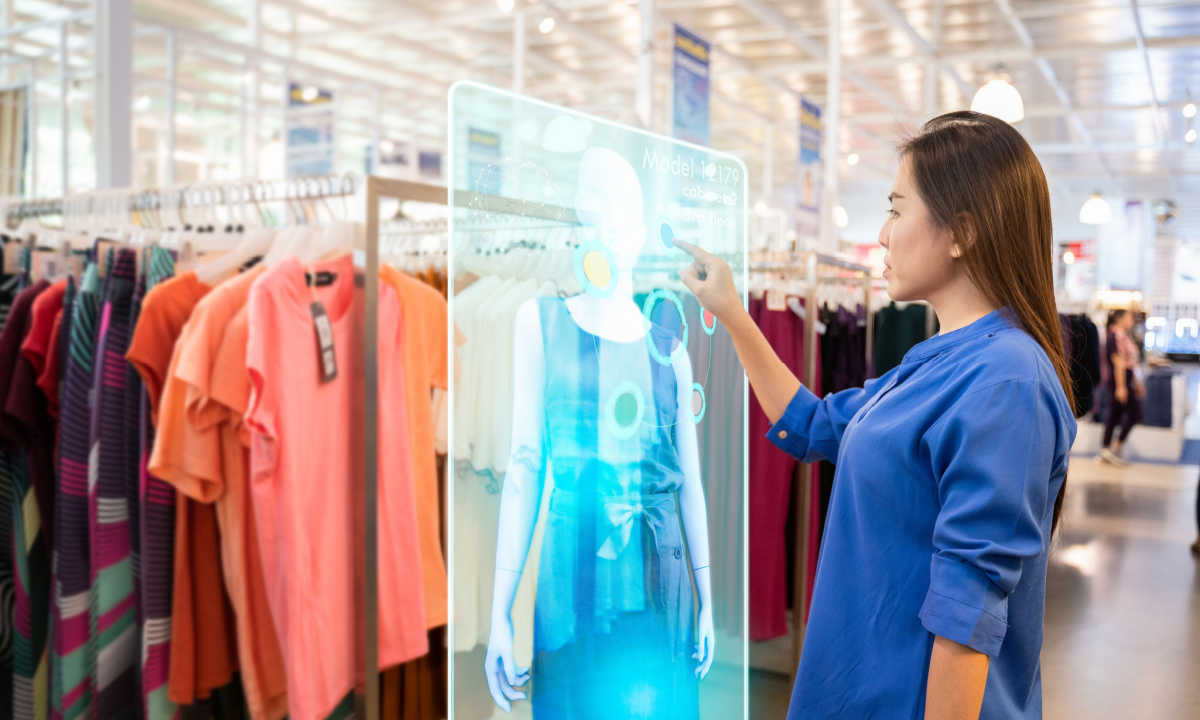
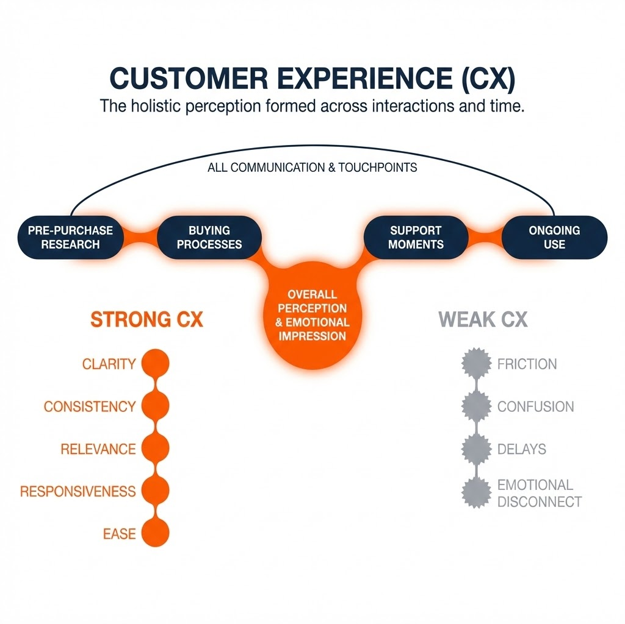
The customer journey undergoes a fundamental shift when you move it into a 3D, interactive environment. Forget scrolling through product pages; in the metaverse, customers can walk through a virtual store, examine products from all angles, and even 'try them on' using augmented reality. Discovery isn't solely driven by search; it's about exploration and serendipitous encounters.
A typical metaverse retail journey might start with a friend's invitation or an ad seen on social media. The customer enters the virtual store, creates or selects an avatar, and begins browsing. Interaction is key – they can manipulate objects, chat with virtual assistants or other shoppers, and participate in interactive experiences. Purchase happens through integrated e-commerce functionality, often leveraging digital wallets and cryptocurrency.
Post-purchase support also evolves. Instead of calling a customer service line, a customer might interact with a virtual agent within the metaverse environment. This allows for more personalized and immersive support experiences. What’s really interesting is the increased emphasis on social interaction and co-creation. Customers aren’t just passive consumers; they're active participants in the brand experience.
Some touchpoints become obsolete – the need for physical storefronts diminishes, and traditional product photography becomes less important. New touchpoints emerge, such as avatar customization, virtual events, and community forums within the metaverse. The entire journey is more dynamic and personalized, offering retailers opportunities to build deeper relationships with their customers. This requires a completely new approach to customer experience management.
- Discovery happens through social feeds or direct invites from friends.
- Browsing: Immersive exploration of virtual stores and product displays.
- Interaction: Manipulating objects, chatting with virtual assistants or other shoppers.
- Purchase: Seamless integration with e-commerce and digital wallets.
- Post-Purchase: Immersive support through virtual agents and community forums.
Tracking movement instead of clicks
Standard web analytics don't work in 3D. A click doesn't tell you much when a customer is walking through a virtual room. We track how people move and who they talk to, which gives a much clearer picture of what's actually happening in the store.
What metrics matter? Dwell time is crucial – how long do customers spend in your virtual store? Avatar movement reveals which areas of the store are most popular and where customers are getting 'lost'. Object interaction shows which products are attracting the most attention. Social engagement – chats, shared experiences, and community participation – indicates the level of brand loyalty and advocacy.
We also track purchase conversion rates within the metaverse, but it’s important to tie that data back to the broader customer profile. How does a customer’s virtual behavior correlate with their real-world purchasing decisions? Are customers who spend more time in the metaverse more likely to become repeat buyers? This is where our platform really shines. We integrate metaverse data with existing CRM and marketing automation systems.
CE 65’s platform collects this data through a combination of SDK integration and server-side tracking. We use advanced machine learning algorithms to analyze the data and identify patterns and trends. We can then provide retailers with actionable insights – recommendations for optimizing store layouts, personalizing product offerings, and improving the overall customer experience. We believe that data-driven decision-making is essential for success in the metaverse.
Designing for the avatar
The metaverse opens up incredible opportunities for hyper-personalization. Unlike traditional e-commerce, where personalization is often limited to product recommendations and targeted ads, the metaverse allows retailers to create truly tailored experiences based on a customer’s avatar – their digital representation. This goes far beyond simply knowing a customer’s name and purchase history.
We can leverage avatar data – appearance, preferences, behavior within the virtual world – to create personalized store layouts, interactive content, and even avatar-specific promotions. Imagine a virtual clothing store that automatically displays outfits that match your avatar’s style, or a furniture store that lets you virtually "place’ furniture in your avatar"s virtual home. The possibilities are endless.
However, it’s crucial to approach avatar data collection and usage responsibly. Ethical considerations are paramount. Customers need to be informed about how their data is being used, and they should have control over their privacy settings. Maintaining data security is also essential. We implement robust security measures to protect customer data and prevent unauthorized access.
The challenge lies in balancing personalization with privacy. We believe that transparency and control are key. Customers should be able to opt-in to data collection and customize their privacy preferences. We also advocate for the development of industry standards for avatar data privacy and security. It's a new frontier, and we need to navigate it carefully.
- Stores change their layout based on what an avatar usually wears or does.
- Avatar-specific product recommendations.
- Interactive content tailored to avatar interests.
- Exclusive promotions for specific avatar types.
Automating Immersive Commerce
Automation is essential for scaling metaverse retail experiences. Manually managing a virtual store and interacting with customers in real-time is simply not feasible. We need to leverage AI and automation tools to streamline processes and deliver seamless customer service. This is where virtual assistants and chatbots come into play.
AI-powered virtual assistants can answer customer questions, provide product recommendations, and even guide customers through the store. Chatbots can handle routine inquiries and escalate complex issues to human agents. Automated inventory management ensures that products are always available, and dynamic pricing can optimize revenue based on demand. We're seeing a lot of interest in this from our clients.
NFTs and blockchain technology also play a role in automating ownership and verifying authenticity. NFTs can represent digital assets – virtual clothing, accessories, artwork – and blockchain can provide a secure and transparent record of ownership. This is particularly important for luxury brands and collectible items. It’s about creating scarcity and value in the digital world.
Automated customer support within the virtual environment is also crucial. Customers should be able to get help quickly and easily, without having to leave the metaverse. This requires integrating virtual support agents with existing CRM and help desk systems. The goal is to create a frictionless and engaging customer experience.
Fixing lag and friction
Building and operating virtual stores presents unique technical challenges. Latency – the delay between a user’s action and the system’s response – can be a major source of frustration. Scalability is also critical – the virtual store needs to be able to handle a large number of concurrent users without performance degradation. Cross-platform compatibility ensures that customers can access the store from a variety of devices.
CE 65 helps retailers optimize performance by providing tools for monitoring and analyzing key metrics. We can identify bottlenecks and recommend solutions for improving latency, scalability, and compatibility. This includes optimizing 3D models, streamlining network connections, and leveraging cloud-based infrastructure. We aim for a seamless experience.
A fast loading time is paramount – customers won't wait around for a virtual store to load. Intuitive navigation is also essential – customers should be able to easily find what they're looking for. And reliable transactions are non-negotiable – customers need to be confident that their purchases are secure. These are the cornerstones of a positive metaverse retail experience.
Robust analytics are essential for identifying and addressing performance bottlenecks. We provide retailers with detailed reports on user behavior, network performance, and transaction success rates. This data allows them to make informed decisions about how to optimize their virtual stores and improve the overall customer experience.
Looking Ahead: Metaverse Retail in 2026
Over the next few years, we can expect to see increased adoption of AR/VR technologies, making the metaverse more accessible to a wider audience. Avatars will become more sophisticated and realistic, allowing for more expressive and personalized interactions. Greater integration with the physical world – through technologies like digital twins – will blur the lines between the virtual and the real.
Decentralized commerce, powered by blockchain technology, is also likely to gain traction. This will give customers more control over their data and enable new forms of ownership and value exchange. We’ll also see the emergence of new metaverse platforms and ecosystems, creating a more fragmented but also more innovative landscape.
CE 65 is committed to playing a leading role in shaping the future of immersive commerce. We will continue to invest in research and development, expanding our platform’s capabilities and helping retailers navigate this evolving landscape. We are focused on providing the tools and insights they need to succeed.
The key to success in the metaverse is to start small, experiment, and iterate based on data. Don't try to build a fully realized metaverse experience overnight. Focus on delivering value to your customers and building a strong community. The metaverse is not a destination; it’s a journey.
Qualitative Comparison: Metaverse vs. Traditional B2B Customer Experience
| Metric | Traditional B2B | Metaverse B2B | Potential CE 65 Impact |
|---|---|---|---|
| Sales Cycle Length | Generally longer, often involving multiple stakeholders and extended negotiation phases. | Potential for acceleration due to immersive demonstrations and direct access to decision-makers within the virtual environment. | CE 65 analytics can identify bottlenecks in both cycles, with metaverse data offering granular insights into user behavior during virtual interactions. |
| Cost per Lead | Can be substantial due to travel, physical events, and extensive marketing campaigns. | Potentially lower due to reduced travel costs and the scalability of virtual events and demonstrations. | CE 65 automation features can optimize lead nurturing in both environments, while metaverse analytics can refine targeting for virtual events to maximize ROI. |
| Customer Engagement | Relies heavily on personal relationships, industry events, and targeted content marketing. | Offers opportunities for significantly increased engagement through interactive experiences, gamification, and personalized virtual environments. | CE 65’s experience analytics can measure engagement levels in both environments, identifying key drivers of customer interest and tailoring experiences accordingly. |
| Product Demonstration Effectiveness | Limited by physical constraints and the difficulty of showcasing complex products in a static setting. | Enhanced through interactive 3D models, virtual simulations, and the ability to customize products in real-time. | CE 65 can track user interactions with virtual product demonstrations, providing data on which features resonate most with customers. |
| Training Impact | Often requires in-person sessions or extensive documentation, which can be costly and time-consuming. | Improved through immersive virtual training environments that allow for hands-on practice and immediate feedback. | CE 65 can measure knowledge retention and skill development through virtual training modules, providing data-driven insights for improvement. |
| Relationship Building | Primarily built through face-to-face meetings, conferences, and account management. | Facilitated through shared virtual experiences, collaborative design sessions, and persistent virtual spaces. | CE 65 can analyze communication patterns and interaction data within the metaverse to identify opportunities for strengthening customer relationships. |
| Accessibility | Geographically limited by the need for physical presence. | Globally accessible, removing barriers to engagement for international clients. | CE 65’s platform supports multi-language and multi-regional deployments, ensuring a consistent experience for all customers regardless of location. |
Illustrative comparison based on the article research brief. Verify current pricing, limits, and product details in the official docs before relying on it.
No comments yet. Be the first to share your thoughts!