

Retail's Automation Inflection Point
Retail is at a critical juncture. Customers expect seamless, personalized experiences across every touchpoint, and frankly, they're willing to go elsewhere if they don't get them. This isn't a gradual shift; it's a rapid acceleration driven by the experiences set by companies like Amazon and Netflix. The pressure to digitize and personalize isn’t just about staying competitive – it's about survival.
Historically, retailers have struggled with data silos, outdated systems, and a lack of agility. These barriers make it difficult to respond quickly to changing customer needs and deliver consistent experiences. Many organizations are weighed down by legacy infrastructure, making it hard to integrate new technologies. This is where customer experience automation becomes not just beneficial, but essential.
Competing with digitally native brands requires a fundamental shift in how retailers operate. These companies were built on data and automation from the ground up, giving them a significant advantage. Traditional retailers need to catch up, and automation is the most effective way to do so. It allows them to scale personalization, improve efficiency, and deliver experiences that rival those of their more agile competitors.
Automation will impact several key areas in the coming years, including personalization, conversational commerce, post-purchase automation, and the role of data. This guide provides an overview of how retailers can leverage automation to create better customer experiences.
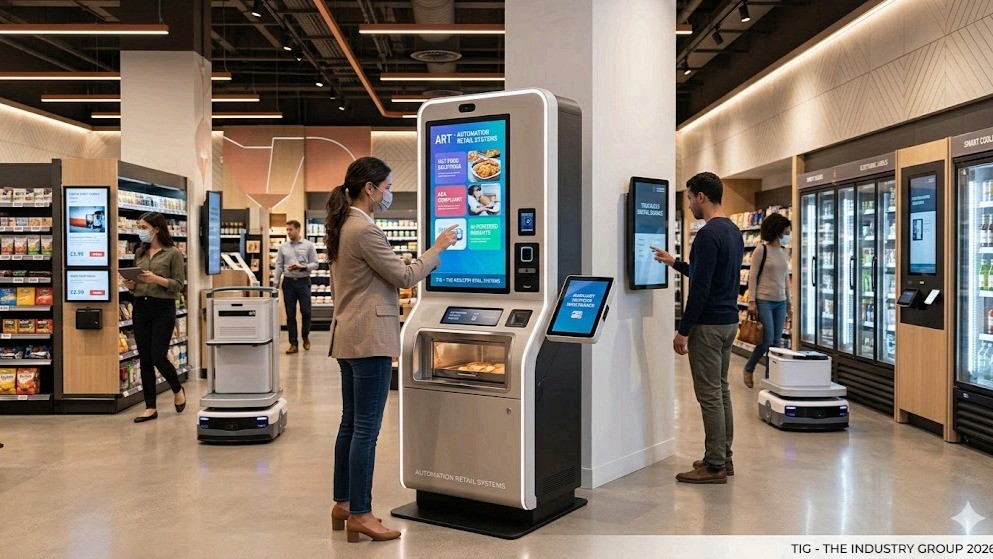
Mapping the CX Automation Landscape
CX automation involves a collection of technologies working together in a layered approach, from foundational automations to sophisticated AI-driven implementations. Understanding these layers is critical for developing a successful strategy.
At the base level are personalization engines. These systems analyze customer data to deliver tailored product recommendations, content, and offers. Moving up a layer, we have automated marketing tools, encompassing email campaigns, SMS messaging, and push notifications, all triggered by customer behavior. These ensure the right message reaches the right customer at the right time.
Intelligent chatbots are another key component. They can handle a wide range of customer inquiries, from basic support questions to more complex troubleshooting. Self-service portals empower customers to find answers and resolve issues on their own, reducing the burden on customer service teams. Think about the ability to track a package or update address details without human intervention.
Finally, we have automated order fulfillment and logistics. This includes everything from warehouse automation to optimized delivery routes, ensuring that orders are processed and shipped efficiently. These systems aren’t isolated – they should all integrate with your core digital customer experience platform to create a seamless flow of information.
Imagine a customer browsing a specific product category on your website. This triggers a personalized email with related products, a chatbot proactively offers assistance, and the order fulfillment system prepares for a potential purchase. This demonstrates the power of a well-integrated automation system.
- Personalization engines
- Automated marketing (email, SMS, push notifications)
- Intelligent chatbots
- Self-service portals
- Automated order fulfillment/logistics
Customer Experience Automation Technology Comparison – Implementation Considerations (2026 Outlook)
| Technology | Implementation Complexity | Potential Return on Investment | Data Requirements |
|---|---|---|---|
| Personalization Engines | Medium | High | Extensive |
| AI-Powered Chatbots | Medium | Medium | Moderate |
| Automated Order Fulfillment Systems | High | High | Extensive |
| Dynamic Pricing Tools | Medium | Medium | Moderate |
| Automated Email Marketing | Low | Medium | Minimal |
| Predictive Analytics for Customer Service | High | High | Extensive |
| Self-Service Knowledge Bases | Low | Medium | Minimal |
| Loyalty Program Automation | Medium | Medium | Moderate |
Illustrative comparison based on the article research brief. Verify current pricing, limits, and product details in the official docs before relying on it.
Personalization at Scale: Beyond Basic Recommendations
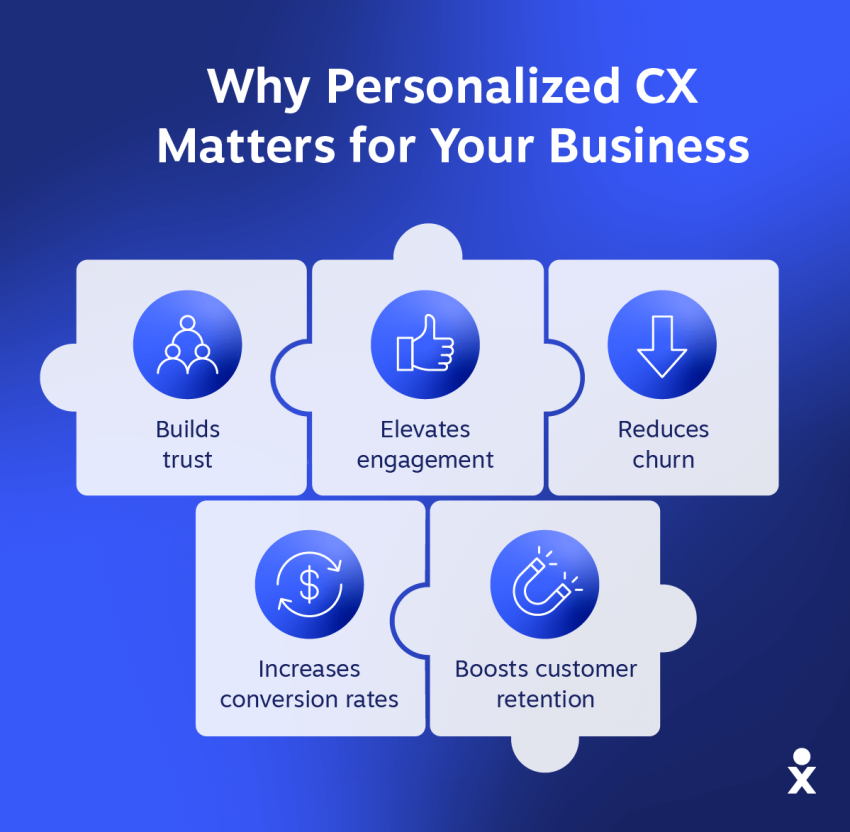
Personalization has evolved beyond simple product suggestions based on past purchases. While 'customers who bought this also bought...' recommendations still have a place, customers today expect a more nuanced and relevant experience. The key is moving from reactive to predictive personalization.
Behavioral analytics plays a crucial role. By tracking customer interactions across all channels – website visits, app usage, email opens, social media engagement – retailers can build a detailed understanding of individual preferences and behaviors. This data can then be used to create dynamic content that adapts to each customer's needs.
Predictive modeling takes this a step further. Using machine learning algorithms, retailers can anticipate customer needs and proactively offer solutions. For example, if a customer frequently views camping gear, the system might automatically suggest relevant accessories or offer a discount on a camping trip. This requires a robust data infrastructure and skilled data scientists.
However, personalization isn’t without its ethical considerations. Transparency is paramount. Customers should understand how their data is being used and have control over their privacy settings. Avoid manipulative practices, such as dark patterns that trick customers into making purchases they don’t want. Data privacy regulations, like GDPR and CCPA, must be strictly adhered to.
Stitch Fix is a good example. They don’t just recommend clothes; they use a detailed style profile and human stylists to curate personalized boxes. This level of personalization drives customer loyalty and reduces returns. Amazon's recommendation engine is constantly learning and adapting to your behavior, setting a high bar.
Here are a few examples of personalization in action:
- Dynamic website content: Displaying different content based on customer demographics or browsing history.
- Personalized email campaigns: Sending targeted emails with relevant offers and promotions.
- Product recommendations: Suggesting products based on past purchases, browsing behavior, or items in the shopping cart.
- Customized search results: Tailoring search results to individual customer preferences.
Essential Tools for Customer Experience Automation and Retail Digitization
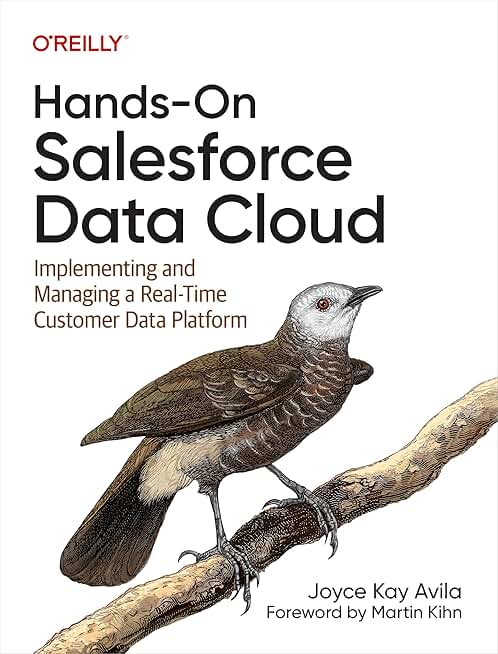
Learn to implement and manage Salesforce Data Cloud · Understand real-time customer data platform capabilities · Gain practical skills for customer data integration and activation
This guide provides hands-on experience with a leading Customer Data Platform, essential for unifying customer data and enabling personalized experiences.
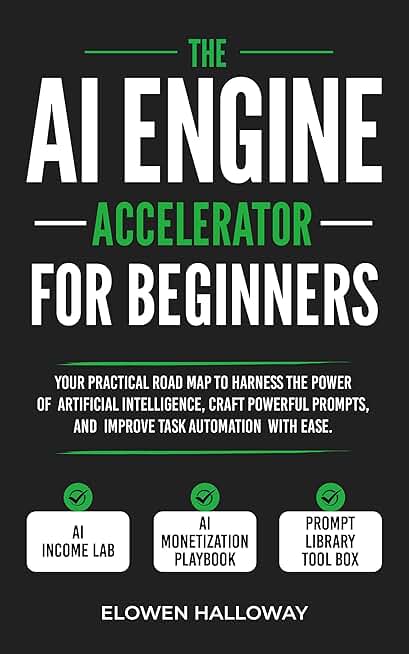
Beginner-friendly introduction to Artificial Intelligence · Guidance on crafting effective AI prompts · Strategies for improving task automation using AI
This free resource offers a clear path for beginners to leverage AI for automation and enhanced task efficiency, crucial for modern retail operations.

Explores the application of bandit algorithms for website optimization · Covers development, deployment, and debugging of these algorithms · Focuses on improving user engagement and conversion rates
This book delves into advanced optimization techniques using bandit algorithms, enabling data-driven decisions for continuous website improvement.

Focuses on optimizing the customer journey for speed and impact · Provides strategies for customer growth and retention in digital environments · A playbook designed for CXOs and business leaders
This playbook offers actionable strategies for CXOs to enhance customer acquisition and loyalty by streamlining the digital customer journey.

Guides on automating workflows using Microsoft Power Automate · Emphasizes achieving digital transformation with low-code solutions · Covers business process automation for increased efficiency
This resource empowers businesses to implement efficient, low-code workflow automation, driving digital transformation and operational agility.
As an Amazon Associate I earn from qualifying purchases. Prices may vary.
The Rise of Conversational Commerce
Conversational commerce, powered by chatbots and virtual assistants, is transforming retail. Customers are comfortable interacting with businesses through messaging apps and voice assistants, and retailers are investing in these technologies to meet customers where they are.
There are two main types of chatbots: rule-based and AI-powered. Rule-based chatbots follow a predefined script and can only handle a limited range of inquiries. They’re relatively easy to implement but lack flexibility. AI-powered chatbots, on the other hand, use natural language processing (NLP) and machine learning to understand customer intent and provide more personalized responses.
Chatbots can provide instant customer support, answer frequently asked questions, help customers find products, track orders, and process returns. A well-designed chatbot can reduce the workload on customer service teams and improve customer satisfaction. Sephora uses chatbots to help customers find the right makeup shades.
Successful chatbot design focuses on natural language processing (NLP). The chatbot should understand and respond to customer inquiries conversationally and integrate with other CX systems, such as your CRM and order management system.
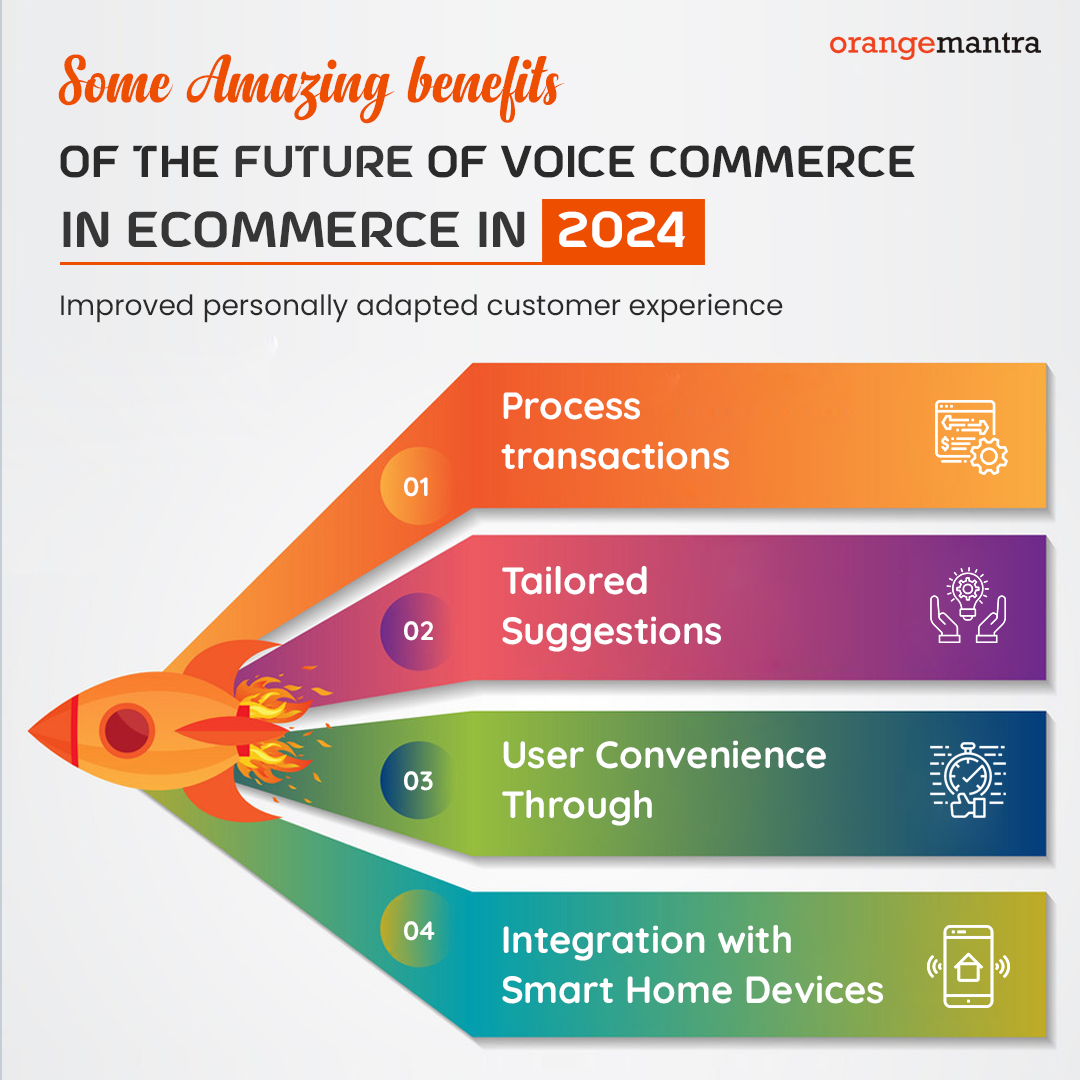
Voice commerce is also gaining traction. Smart speakers and voice assistants allow customers to make purchases using their voice, opening new opportunities for retailers to reach customers conveniently and hands-free. Challenges include ensuring data security and providing a seamless voice experience.
- Understand customer intent.
- Provide accurate and helpful responses.
- Seamlessly escalate to a human agent when necessary.
- Personalize the conversation based on customer data.
- Continuously improve the chatbot's performance through machine learning.
Automating the Post-Purchase Journey
Automation doesn’t end at the point of sale. The post-purchase journey offers significant opportunities to enhance customer experience and drive repeat business. Many retailers overlook this phase, focusing solely on acquisition.
Automated order confirmations, shipping updates, and delivery notifications keep customers informed and engaged. Proactive customer support, such as automated emails offering assistance with product setup or troubleshooting, can prevent issues and build trust. These small touches can make a big difference in customer satisfaction.
Loyalty program management can also be automated. Automatically awarding points, sending personalized rewards, and providing exclusive offers can incentivize customers to return. Personalized email campaigns highlighting new products or special promotions can further drive engagement.
A simple, automated email thanking a customer for their purchase and providing helpful resources demonstrates that you value their business and are committed to their success. This small effort can yield a large return, turning one-time buyers into loyal advocates.
Here’s a simple step-by-step guide to automating your post-purchase journey:
- Step 1: Configure automated order confirmations and shipping updates.
- Step 2: Set up proactive customer support emails.
- Step 3: Automate loyalty program rewards and communications.
- Step 4: Personalize post-purchase email campaigns.
- Step 5: Monitor customer feedback and make adjustments as needed.
Data's Role: Connecting the Automated Dots
Automation is only as effective as the data that fuels it. Without a solid data foundation, automation efforts will be fragmented and ineffective. Data integration, data quality, and data governance are critical components of a successful strategy.
Retailers need to break down data silos and integrate data from all customer touchpoints – website, app, CRM, social media, point-of-sale system. This provides a 360-degree view of the customer and enables more personalized and relevant automation. Data integration is often the biggest challenge.
Data quality is equally important. Inaccurate or incomplete data can lead to flawed automation and poor customer experiences. Regular data cleansing and validation are essential; it’s a continuous process, not a one-time fix.
Data governance ensures data is used ethically and responsibly. Retailers must comply with data privacy regulations and protect customer data from unauthorized access. Transparency is key – customers should understand how their data is being used.
AI and machine learning can extract insights from customer data. These technologies can identify patterns, predict customer behavior, and optimize automation efforts. For example, machine learning algorithms can personalize product recommendations or detect fraudulent transactions.
Here are some frequently asked questions about data and automation:
- Q: What data sources should I integrate? A: Website analytics, CRM, email marketing platform, social media data, point-of-sale data.
- Q: How do I ensure data quality? A: Implement data cleansing and validation processes, regularly audit data for accuracy.
- Q: What are the key data privacy regulations I need to comply with? A: GDPR, CCPA, and other relevant regulations.
Looking Ahead: Automation Trends for 2026
Several emerging trends will reshape retail CX automation. We're seeing increased interest in technologies like augmented reality (AR) and virtual reality (VR) to create immersive shopping experiences. Imagine trying on clothes virtually or visualizing furniture in your home before you buy it.
AI-powered personalization will become even more sophisticated, with retailers leveraging machine learning to deliver hyper-personalized experiences tailored to individual customer needs and preferences. This goes beyond simply recommending products; it’s about anticipating customer needs and proactively offering solutions.
The metaverse presents another potential opportunity for retailers. Virtual stores and immersive experiences could become increasingly popular, allowing customers to interact with brands in new and engaging ways. However, the metaverse is still in its early stages of development, and its long-term impact remains to be seen.
While these technologies offer tremendous potential, it's important to approach them with a realistic mindset. Implementation can be complex and expensive, and it’s crucial to have a clear understanding of your customers’ needs and preferences. Data privacy and security will continue to be paramount concerns. It's not about adopting every new technology; it’s about strategically leveraging automation to create a truly enhanced customer experience.
Ultimately, the retailers who succeed will be those who embrace automation not as a cost-cutting measure, but as a way to build stronger relationships with their customers and deliver exceptional experiences. The focus should always be on creating value for the customer.
No comments yet. Be the first to share your thoughts!