
What is the CE-65 encoder
The TR Electronic CE-65-M is an absolute rotary encoder designed for industrial automation. It acquires angular motion data and conditions measuring signals for controllers that follow the DIN 19258 standard. This hardware component is often confused with software platforms due to similar naming conventions in broader technology sectors. This guide focuses strictly on the mechanical encoder used in heavy machinery and process control.
Unlike incremental encoders that track relative movement from a home position, the CE-65-M provides a unique digital code for every shaft position. This absolute value persists even after a power loss. The encoder uses a non-contact measurement principle, typically magnetic or optical, to ensure durability in harsh environments. The output signal is transmitted via a standard interface, allowing direct integration with PLCs and motion controllers.
The device is built for reliability in demanding conditions. It features a robust housing that protects internal components from vibration, shock, and environmental factors. The CE-65-M is commonly used in applications such as wind turbines, steel mills, and printing presses where precise position feedback is critical. Understanding its technical specifications is essential for proper selection and installation.

Key specs and interface options
The TR Electronic CE-65-M is an absolute rotary encoder designed for industrial automation tasks where precise angular positioning is critical. To select the correct unit, you must match the encoder’s communication protocol and electrical requirements to your existing controller infrastructure. The device family supports multiple interface standards, allowing it to integrate with various PLCs and motion control systems without requiring external protocol converters.
The primary distinction between CE-65-M variants lies in the data interface. Common options include Profibus-DP for high-speed network communication, CANopen for distributed control systems, and SSI (Synchronous Serial Interface) for point-to-point connections. Each interface dictates the wiring complexity, cable requirements, and maximum polling rates your system can sustain. For instance, Profibus-DP offers robust diagnostics and fast cycle times, while SSI provides simple, deterministic data transfer suitable for smaller applications.
Electrical ratings are equally important for compatibility. The encoder typically operates on a 10-30 VDC supply, but specific variants may have different voltage tolerances or current draw profiles. Resolution is defined by the number of steps per revolution, with common configurations offering 12-bit (4,096 steps) or 13-bit (8,192 steps) single-turn resolution, often paired with multi-turn capabilities for long-duration tracking. Always verify the exact part number suffix against the official TR Electronic datasheet to ensure the mechanical dimensions and electrical specs align with your installation.
Interface and Electrical Comparison
The table below outlines the technical specifications for common CE-65-M interface variants. Use this data to identify the specific part number required for your controller type.
| Interface Protocol | Resolution (Steps/Rev) | Supply Voltage | Max Speed (rpm) |
|---|---|---|---|
| Profibus-DP | 12-bit / 13-bit | 10-30 V DC | 6000 |
| CANopen | 12-bit / 13-bit | 10-30 V DC | 6000 |
| SSI | 12-bit / 13-bit | 5 V / 10-30 V DC | 6000 |
Common industrial applications
The TR Electronic CE-65-M absolute encoder is built for environments where losing position data is not an option. Unlike incremental encoders that require a homing sequence after a power loss, the CE-65-M retains its absolute position immediately upon startup. This makes it the standard choice for safety-critical automation where downtime costs exceed the hardware price.
Wind turbines rely on this reliability for pitch and yaw control. In these applications, the encoder tracks the blade angle against wind direction with high precision. If the encoder loses count during a grid fluctuation, the turbine cannot adjust its aerodynamic profile, risking mechanical stress or inefficiency. The CE-65-M’s multi-turn capability ensures the system knows exactly how many full rotations the blades have completed, not just the current angle.
Steel mills and material handling systems present different challenges, primarily involving vibration and electromagnetic interference. The CE-65-M’s robust housing and signal conditioning protect against the noise generated by heavy motors and welding equipment. In cranes and conveyors, accurate position feedback prevents collisions and ensures loads are placed with millimeter precision. The encoder’s ability to handle high speeds without signal degradation allows these systems to maintain throughput even during rapid acceleration cycles.

Where to buy CE-65 encoders
Sourcing a TR Electronic CE-65-M encoder requires distinguishing between new OEM inventory and refurbished units. Because this is an industrial component, availability fluctuates based on production cycles. You can find new units through authorized industrial distributors, but for immediate availability, marketplaces often hold the best stock.
Amazon is a primary source for quick procurement. Listings here typically include verified seller ratings and fast shipping options. When selecting a seller, prioritize those with high transaction volumes and recent positive feedback to ensure the unit is genuine and correctly packaged.

As an Amazon Associate, we may earn from qualifying purchases.
For cost-sensitive repairs, refurbished encoders are widely available on eBay and specialized industrial parts sites like Maschinenteil24. These sellers often test and warranty used units, offering a viable alternative for non-critical applications. Always verify the warranty period—typically 12 months—and return policies before purchasing.
Install the TR Electronic CE-65-M Encoder
Installing the CE-65-M absolute encoder requires strict adherence to mechanical mounting and electrical wiring protocols. In industrial automation, a misaligned shaft or inverted signal line can halt production or damage the controller. Follow this sequence to ensure the encoder operates within its specified parameters for angular motion acquisition.

Clean the mounting bracket and shaft interface thoroughly. Remove any burrs or debris that could prevent the CE-65-M from seating flush. A solid mechanical foundation is critical for maintaining concentricity and preventing vibration-induced signal noise. Verify that the mounting area allows for the required cable routing space without tension.
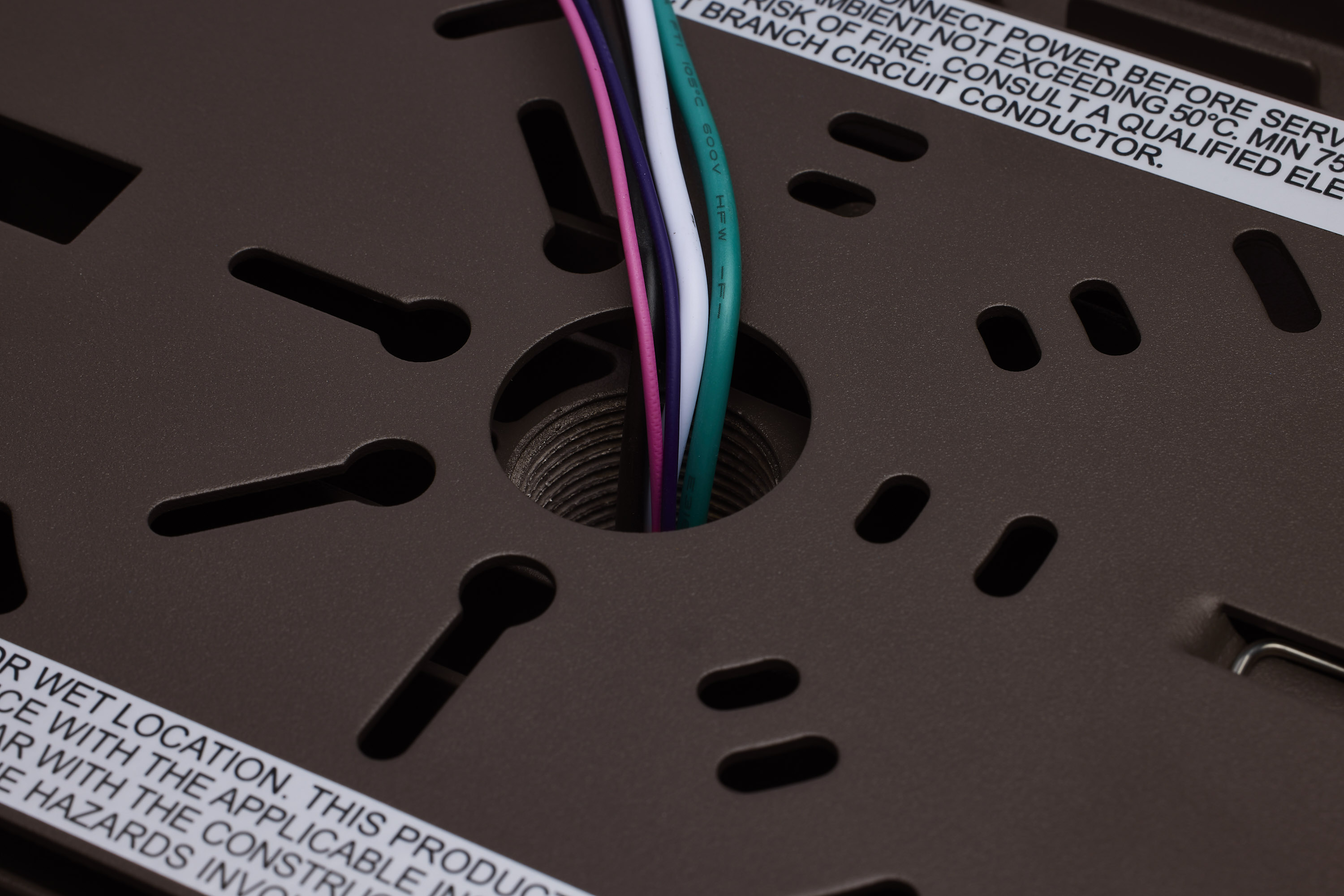
Secure the encoder housing to the bracket using the specified fasteners. Do not overtighten, as this can distort the internal housing and affect bearing life. Ensure the encoder is rigidly fixed before proceeding to shaft coupling. The unit must remain stable under all operational loads to preserve measurement accuracy.

Connect the driving shaft to the encoder input shaft using a flexible coupling. Use a dial indicator or laser alignment tool to check for angular and parallel misalignment. Misalignment is the leading cause of premature bearing failure in rotary encoders. Adjust the position until the runout is within the manufacturer's tolerance limits.

Refer to the TR Electronic pinout diagram for your specific voltage and output type (e.g., SSI, BiSS-C, or EnDat). Connect the power supply lines first, ensuring correct polarity. Ground the shield properly to minimize electromagnetic interference (EMI). Double-check all connections before applying power to prevent short circuits or controller damage.
Apply power and monitor the initial signal output. Verify that the encoder reports absolute position correctly upon startup. Run the motor through a full rotation to check for signal continuity and absence of glitches. If the controller supports it, perform a zero-point calibration to align the mechanical reference with the digital system.
No comments yet. Be the first to share your thoughts!