

Real sustainability goes beyond greenwashing
We’re seeing "sustainability’ everywhere these days, plastered across marketing campaigns. But a lot of it feels…superficial. Genuine sustainable customer experience is fundamentally different than simply touting eco-friendly packaging. It"s about rethinking the entire digital journey, from the first impression to ongoing support, with environmental impact as a core consideration.
Sustainable CX is a response to shifting expectations. People are choosing brands that align with their values. A 2023 Deloitte study found that 63% of consumers consider a company’s sustainability practices before buying.
This means moving beyond symbolic gestures and tackling the often-invisible environmental costs of digital interactions. It's about making conscious choices to minimize the digital footprint of every touchpoint and building a customer experience that’s both satisfying and responsible. It demands a holistic view of Customer Experience Management and a willingness to embrace change.
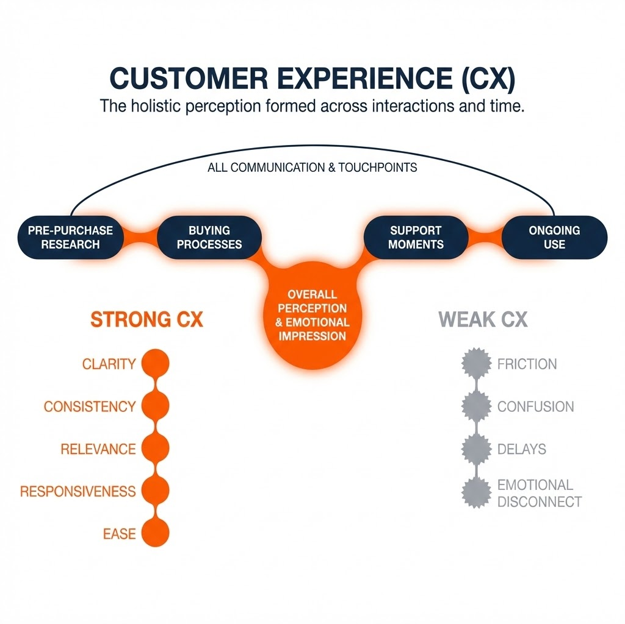
The hidden energy cost of bad digital design
We rarely think about the environmental cost of a frustrating website or a convoluted checkout process. But those inefficiencies add up. Every repeated website visit due to poor navigation requires server energy. Each unnecessary email or push notification contributes to data transfer and energy consumption. It’s a hidden environmental burden.
Consider the energy wasted when a customer contacts support multiple times because of a broken process. That’s not only frustrating for the customer, it’s also a drain on resources. The cumulative effect of these small inefficiencies is significant. Poor digital experiences generate waste in the form of time, energy, and ultimately, environmental impact.
CE 65’s analytics capabilities are designed to identify these pain points. By understanding where customers are getting stuck, businesses can pinpoint areas for optimization and reduce the digital waste associated with a subpar experience. This isn’t just about improving customer satisfaction; it’s about responsible resource management.
- Server energy used during repeated visits from poor navigation
- Carbon Footprint of Communication: Unnecessary emails and notifications.
- Waste from Inefficient Processes: Multiple support contacts due to broken workflows.
Environmental Impact Comparison: High Friction vs. Low Friction Customer Experiences
| CX Characteristic | Server Load | Data Transfer Volume | Support Interaction Frequency | Digital Waste Generation |
|---|---|---|---|---|
| Complex Navigation/Forms | Very High (Multiple server requests for each action) | High (Large form submissions, frequent page reloads) | High (Increased need for assistance with completion) | Moderate (Abandoned form data, multiple iterations) |
| Repetitive Data Entry | Moderate (Constant data processing) | Moderate (Frequent data submissions) | Moderate (Customers seek clarification on required information) | Moderate (Duplicate data storage) |
| Lack of Personalization | Moderate (Generic content requires more processing to deliver) | Moderate (Larger file sizes for non-targeted content) | Moderate (Customers contact support for relevant information) | Low (Standardized communications) |
| Slow Loading Times | High (Increased server strain to compensate) | High (Retries and incomplete transfers) | Moderate (Frustration leads to support requests) | Low (Minimal direct waste, but impacts user experience) |
| Multiple Channel Switching | Moderate (Data synchronization across platforms) | Moderate (Increased data transfer between channels) | High (Customers require consistent experience across channels) | Moderate (Fragmented customer data) |
| Unclear Self-Service Options | Low (Minimal server load if options are unused) | Low (Limited data transfer) | Very High (High volume of support requests) | Low (Minimal digital waste) |
| Proactive, Personalized Support | Low (Optimized resource allocation) | Low (Targeted data transfer) | Low (Reduced need for reactive support) | Low (Efficient communication) |
Illustrative comparison based on the article research brief. Verify current pricing, limits, and product details in the official docs before relying on it.
Using AI to cut digital waste
CE 65’s core strengths – AI-powered analytics, automation, and optimization – aren’t just about boosting revenue and improving customer satisfaction; they’re powerful tools for creating a more sustainable CX. AI can reduce digital waste by personalizing experiences, predicting customer needs, and streamlining processes. This minimizes unnecessary interactions and optimizes resource allocation.
Intelligent chatbots, for example, can handle a large volume of customer inquiries, reducing the need for human agents and lowering energy consumption in contact centers. By automating routine tasks, businesses can free up their human workforce to focus on more complex and value-added activities. CE 65’s analytics help identify areas for optimization, revealing where processes can be streamlined to reduce the digital footprint.
Looking ahead to 2026, the possibilities are even more exciting. As AI becomes more sophisticated, we’ll be able to proactively address customer needs before they even arise, further minimizing wasted interactions and resources. The key is to leverage AI not just for efficiency, but for sustainable efficiency. We’re building a future where better CX and a smaller environmental impact go hand-in-hand.
We see this playing out in retail, specifically. CE 65’s AI-Powered Customer Experience Analytics can transform retail data into actionable insights. This allows retailers to predict demand, optimize inventory, and reduce waste throughout the supply chain, according to our data from 2024.
Personalization's Hidden Environmental Benefit
Personalization is often framed as a win-win for businesses and customers – increased engagement, higher conversion rates, and improved brand loyalty. But there's a less-discussed benefit: its positive impact on the environment. Delivering relevant content and offers reduces unnecessary browsing, email opens, and data transfer. It’s about showing customers what they need, not bombarding them with irrelevant information.
Think about a customer landing directly on the product they’re looking for on the first visit, versus endlessly scrolling through pages of irrelevant items. That’s a significant savings in energy and resources. CE 65’s customer data platform (CDP) enables this level of hyper-personalization, allowing businesses to create tailored experiences that resonate with individual customer needs.
The CDP isn’t just about delivering more targeted marketing messages. It's about creating a more efficient and sustainable digital experience for everyone. It minimizes wasted effort, reduces digital clutter, and ultimately, lessens the environmental impact of every interaction.
- Reduced browsing time, fewer email opens, and less data transfer.
- Fewer email opens
- Less data transfer
Automating for Efficiency, Reducing Waste
Automation is a cornerstone of sustainable CX. Automated workflows can eliminate manual tasks, reduce errors, and minimize wasted resources. Examples include automated email responses that resolve common inquiries, proactive customer support triggered by specific behaviors, and self-service options that empower customers to find solutions on their own.
CE 65’s automation tools empower businesses to achieve these benefits, streamlining processes and freeing up human agents to focus on more complex issues. However, it’s important to remember that automation needs to be implemented thoughtfully. Poorly designed automation can actually increase frustration and waste, leading to more support requests and a negative customer experience.
The goal is to create a seamless and efficient experience that minimizes friction and maximizes value for both the customer and the environment. Automation, when done right, is a powerful tool for achieving that goal. It’s about working smarter, not just faster.
It’s about anticipating needs and proactively addressing them, reducing the need for customers to reach out in the first place. That’s the power of well-executed automation in a sustainable CX strategy.
B2B Sustainability: A Different Approach
B2B CX presents unique sustainability challenges and opportunities. Reducing the environmental impact of B2B digital interactions requires streamlining procurement processes, reducing paper-based documentation, and optimizing supply chain communication. This is about more than just internal efficiency; it’s about meeting the growing demands of B2B customers who are increasingly prioritizing sustainability.
Many B2B buyers are now actively seeking suppliers with strong environmental credentials. They’re scrutinizing supply chains, evaluating carbon footprints, and demanding transparency. Businesses that can demonstrate a commitment to sustainability will have a significant competitive advantage. CE 65 can help B2B companies meet these demands by providing the tools and insights they need to optimize their digital interactions.
For example, automating invoice processing and purchase order management can significantly reduce paper waste and streamline administrative tasks. Providing self-service portals for order tracking and support can empower customers and reduce the need for phone calls and emails. It’s about building a B2B experience that’s both efficient and environmentally responsible.
- Streamline procurement processes
- Reduce paper-based documentation
- Optimize supply chain communication
Measuring what matters in 2026
Measuring the success of your sustainable CX initiatives requires looking beyond traditional CX scores like Net Promoter Score (NPS) and Customer Satisfaction (CSAT). While those metrics are important, they don’t tell the whole story. You need to track metrics that directly reflect your environmental impact.
Key metrics to consider include carbon footprint reduction, energy savings, waste reduction, and the percentage of digital interactions completed without human intervention. CE 65’s analytics platform can be used to monitor many of these metrics, providing valuable insights into the effectiveness of your sustainability efforts.
While CE 65 doesn't list sustainability metrics as a default category, the platform integrates with third-party data sources. Transparency builds trust. Regular reporting on progress shows customers that environmental claims are backed by data.
By 2026, we expect to see a growing demand for standardized sustainability metrics and reporting frameworks. Businesses that proactively adopt these standards will be well-positioned to lead the way in sustainable CX.
- Carbon footprint reduction
- Energy savings
- Waste reduction
- Percentage of self-service interactions




No comments yet. Be the first to share your thoughts!