

The voice shift in 2026
Voice commerce is already here. In 2024, 38% of consumers bought something using a voice assistant. We are moving away from screens, and businesses that don't have a voice strategy are falling behind.
Projections indicate substantial growth through 2026, with some analysts estimating voice commerce will account for nearly 40% of all retail sales. This isn't just about convenience. It's about a fundamental change in consumer behavior. People are increasingly comfortable using voice to manage their lives, and shopping is a natural extension of that.
The implications for customer experience are huge. Customers now expect seamless, intuitive interactions with brands, regardless of the channel. Ignoring the voice channel means missing out on a significant portion of the market and potentially damaging brand perception. At CE 65, we believe that being proactive is the only way to stay ahead of this curve.
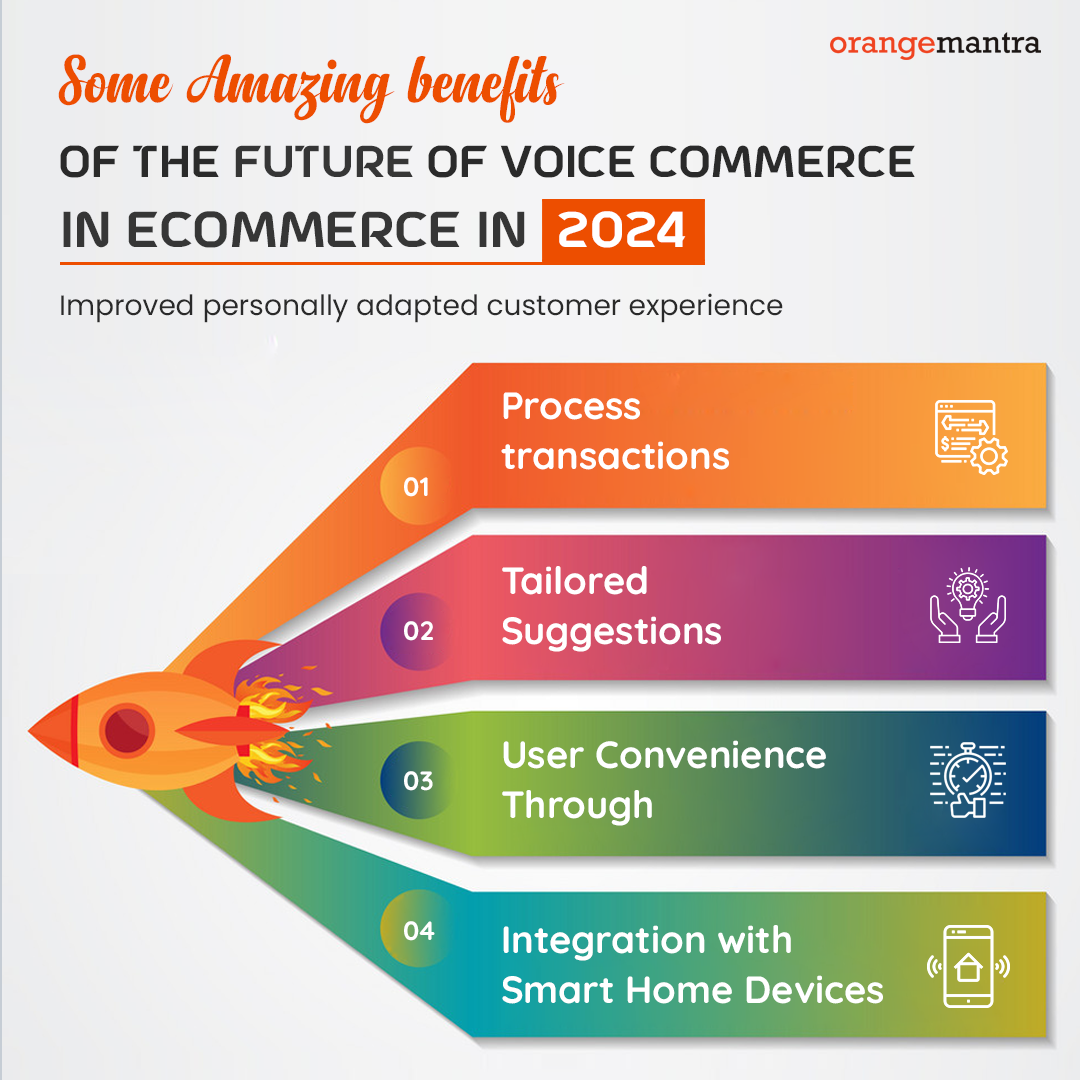
Moving past simple transactions
Simply enabling voice commerce – adding a skill for Alexa or Google Assistant, for example – isn’t sufficient. The real opportunity lies in crafting truly exceptional customer experiences within those voice interactions. A functional voice experience doesn't guarantee a positive one.
Voice presents unique challenges. Unlike screen-based interactions, there are no visual cues to guide the user. This places a greater emphasis on natural language understanding (NLU) and the ability to interpret customer intent accurately. Personalization is also key; generic responses quickly become frustrating.
Bad voice design hurts your brand. If an assistant misunderstands a request twice, most people just quit. I've seen these interactions kill customer loyalty faster than a broken website. Success depends entirely on how the conversation feels, not just if the tech works.
How we use voice analytics
CE 65’s customer experience analytics platform is built to address the specific needs of voice commerce. We go beyond simply tracking whether a transaction completed. We focus on understanding how the interaction unfolded and identifying areas for improvement. The platform transforms raw retail data into actionable insights.
We analyze a wide range of data points, including sentiment analysis to gauge customer emotion during the interaction, keyword frequency to understand common requests and pain points, and conversation flow to identify drop-off points. This data allows businesses to pinpoint exactly where their voice experiences are falling short.
For example, CE 65 can identify that a significant number of customers abandon the ordering process after being asked for their shipping address. This signals a potential issue with the address collection process, which can then be addressed through improved voice prompts or alternative input methods. This isn’t guesswork; it’s data-driven optimization.
Here's a breakdown of the data we analyze:
- Sentiment to track if the customer sounds annoyed or happy.
- Intent to figure out what they actually want to buy.
- Keyword Frequency: Common terms used during the interaction.
- Conversation Flow: Paths customers take through the voice experience.
- Drop-off rates to see exactly where people give up and quit.
Traditional CX Analytics vs. CE 65 Voice Analytics
| Feature | Traditional CX Analytics | CE 65 Voice Analytics | Key Advantage |
|---|---|---|---|
| Sentiment Analysis | Typically relies on text-based reviews and surveys, analyzing word choice to gauge customer emotion. Can struggle with nuance and sarcasm. | Leverages Natural Language Processing (NLP) specifically trained on voice data, capturing emotional cues like tone, pace, and pauses for a more accurate sentiment assessment. | Enhanced accuracy in understanding customer emotion due to voice-specific NLP models. |
| Intent Recognition | Identifies customer intent based on keywords and phrases in text-based interactions. Often requires precise phrasing for accurate detection. | Utilizes advanced speech-to-intent models to understand the *meaning* behind spoken requests, even with variations in phrasing or accents. | Greater flexibility and accuracy in identifying customer needs, even with natural language variations. |
| Conversation Mapping | Visualizes customer journeys based on touchpoints like website visits, email opens, and purchase history. Limited insight into the flow of spoken interactions. | Maps the complete voice conversation, identifying key moments, decision points, and areas of friction within the spoken dialogue. | Provides a detailed understanding of the customer’s spoken journey, revealing insights not available with traditional methods. |
| Channel Coverage | Primarily focuses on digital channels like web, email, and social media. Limited visibility into voice-based interactions (phone calls, voice assistants). | Integrates seamlessly with voice channels, providing a unified view of the customer experience across all touchpoints. | Comprehensive view of the customer journey, including valuable insights from voice interactions. |
| Data Sources | Relies heavily on structured data from CRM systems, website analytics, and marketing automation platforms. | Incorporates unstructured data from voice recordings and transcripts, alongside structured data, for a more holistic view. | Expanded data scope allows for more nuanced analysis and a deeper understanding of customer behavior. |
| Real-time Capabilities | Often provides retrospective analysis of customer interactions, with limited real-time insights. | Offers real-time analytics and alerts, enabling immediate action to address customer issues or capitalize on opportunities during voice interactions. | Proactive customer experience management through real-time insights and intervention. |
Illustrative comparison based on the article research brief. Verify current pricing, limits, and product details in the official docs before relying on it.
Personalizing the journey with automation
CE 65’s automation capabilities are designed to personalize voice interactions at scale. We believe that customers should feel understood and valued, even when interacting with a voice assistant. This is achieved through dynamic content delivery, proactive assistance, and intelligent routing.
Imagine a customer calling to reorder a frequently purchased item. CE 65 can automatically recognize the customer, confirm their default shipping address, and initiate the reorder process without requiring any additional input. That’s the power of automation. Or, a voice assistant offering personalized product recommendations based on a customer’s past purchases and browsing history.
We route hard questions to real people. When a customer sounds frustrated, CE 65 transfers the call to an agent. Mixing AI with human help is the only way to keep people from hanging up.
Proactive assistance is another key element. A customer who has recently purchased a product might receive a voice message offering helpful tips or troubleshooting guidance. These small touches can make a big difference.
Fixing conversational flow
CE 65 provides tools to continuously optimize the conversational flow of your voice applications. It’s not enough to launch a voice experience and assume it’s perfect. Continuous improvement is essential. We facilitate A/B testing of different prompts to determine which ones resonate best with customers.
We also analyze drop-off rates at various points in the conversation. If a significant number of customers abandon the interaction after a specific prompt, it suggests that the prompt is unclear, confusing, or irrelevant. This data informs iterative improvements to the conversational design.
Natural language processing (NLP) is at the heart of effective voice commerce. CE 65 supports NLP by providing insights into how customers are phrasing their requests and identifying areas where the voice assistant’s understanding can be improved. This leads to more accurate intent recognition and more satisfying interactions.
For example, if customers are consistently using a particular phrase to describe a product, we can train the voice assistant to recognize that phrase and provide the correct response. It’s a continuous learning process.
Voice in complex B2B sales
The potential of voice commerce extends far beyond retail. B2B sales is an often-overlooked area with significant opportunities. Voice can streamline complex processes and improve efficiency for both buyers and sellers.
Consider use cases like order management. A sales representative could quickly check the status of an order or update shipping information using voice commands. Inventory checks can also be automated, allowing representatives to instantly confirm product availability. Technical support benefits as well; a field technician could use voice to access product manuals or troubleshooting guides while on-site.
CE 65 helps B2B companies deliver personalized and efficient voice experiences by integrating with existing CRM and ERP systems. This allows voice assistants to access real-time data and provide accurate, relevant information. We understand that B2B sales cycles are often longer and more complex, so personalization is even more critical.

No comments yet. Be the first to share your thoughts!