

The math behind 300% ROI
McKinsey reported in 2023 that personalization usually nets a 10-15% return, but that number is climbing. By 2026, we expect a 300% ROI for companies using real-time data. This jump happens because AI is finally fast enough to use the data we've been collecting for years.
For years, personalization was a nice-to-have, often limited by data silos and slow processing speeds. Now, it’s becoming a competitive necessity. Customers expect experiences tailored to their individual needs, and brands that deliver are seeing significant gains in customer lifetime value and revenue. The real shift isn’t just doing personalization, it’s doing it instantly and at scale. That’s where the customer experience platform—like CE 65—becomes indispensable.
The rise in ROI isn't solely about better targeting. It’s about anticipating needs, resolving issues proactively, and building genuine customer relationships. This goes beyond simply recommending the right product. It’s about understanding the entire customer journey, identifying friction points, and offering support when and where it’s most needed. That comprehensive approach is what drives the outsized returns we’re beginning to see, and will continue to see as the technology matures.
Moving past basic segmentation
Traditional customer segmentation – grouping people by demographics or basic behavioral patterns – is quickly becoming obsolete. It’s a blunt instrument in a world that demands nuance. While knowing a customer is a "35-year-old female interested in running" is a starting point, it doesn't tell you why she runs, what motivates her, or what challenges she faces.
This is where hyper-personalization comes in. It’s about building a comprehensive understanding of each customer as an individual, leveraging AI and machine learning to analyze a vast range of data points. CE 65, for example, moves beyond simple segmentation by integrating data from multiple sources – website activity, purchase history, social media interactions, support tickets – to create a truly holistic customer profile.
The depth of understanding is critical. It’s not just about more data, but about connecting the dots between seemingly disparate pieces of information. CE 65 analyzes this data to identify patterns and predict future behavior, allowing businesses to anticipate customer needs and deliver truly relevant experiences. This isn’t just about suggesting products; it's about shaping the entire customer journey.
How platforms handle real-time data
A platform like CE 65 pulls data from your CRM, marketing tools, and web analytics into one place. Having everything in one view is the only way to make personalization work across different channels.
The speed of analysis is equally important. CE 65 utilizes AI-powered analytics to process data in real-time, identifying opportunities to personalize the customer experience as it happens. This capability allows businesses to respond to customer behavior instantly, triggering actions like displaying personalized website content, sending targeted email campaigns, or initiating a live chat session.
The power of CE 65 lies in the synergy between its core components: analytics, automation, and optimization. Analytics uncover hidden insights about customer behavior. Automation enables businesses to act on those insights at scale. And optimization ensures that personalization efforts are continuously improving. It’s a closed-loop system designed for constant adaptation.
Consider a customer browsing a website and abandoning their shopping cart. With CE 65, that action triggers an automated email offering a discount or free shipping, personalized based on the items in their cart and their past purchase history. This isn’t a generic email blast; it’s a targeted intervention designed to recover a lost sale.
- CE 65 connects different data sources to create a single customer view.
- The system processes data immediately to find chances for personalization.
- Automated Actions: Triggers personalized experiences based on customer behavior.
- Continuous Optimization: Refines personalization algorithms through A/B testing and machine learning.
Analytics in Action: Uncovering Hidden Signals
CE 65 transforms complex data streams into actionable insights that would be impossible to uncover manually. It’s not just about tracking website traffic or sales figures; it’s about understanding the why behind those numbers. For example, the platform can identify customers who are at high risk of churn based on their recent activity, allowing businesses to proactively intervene with targeted retention offers.
The platform can also pinpoint upsell and cross-sell opportunities by analyzing customer purchase history and browsing behavior. A customer who recently purchased a camera might be shown recommendations for lenses, tripods, or other accessories. CE 65 doesn’t just suggest products randomly; it suggests products that are relevant to the customer’s specific needs and interests.
Another valuable insight CE 65 provides is the ability to map the customer journey and identify friction points. By analyzing customer interactions across multiple channels, the platform can reveal where customers are getting stuck or frustrated, allowing businesses to optimize the experience and improve customer satisfaction. This could be anything from a confusing checkout process to a slow-loading web page.
Scaling with automation
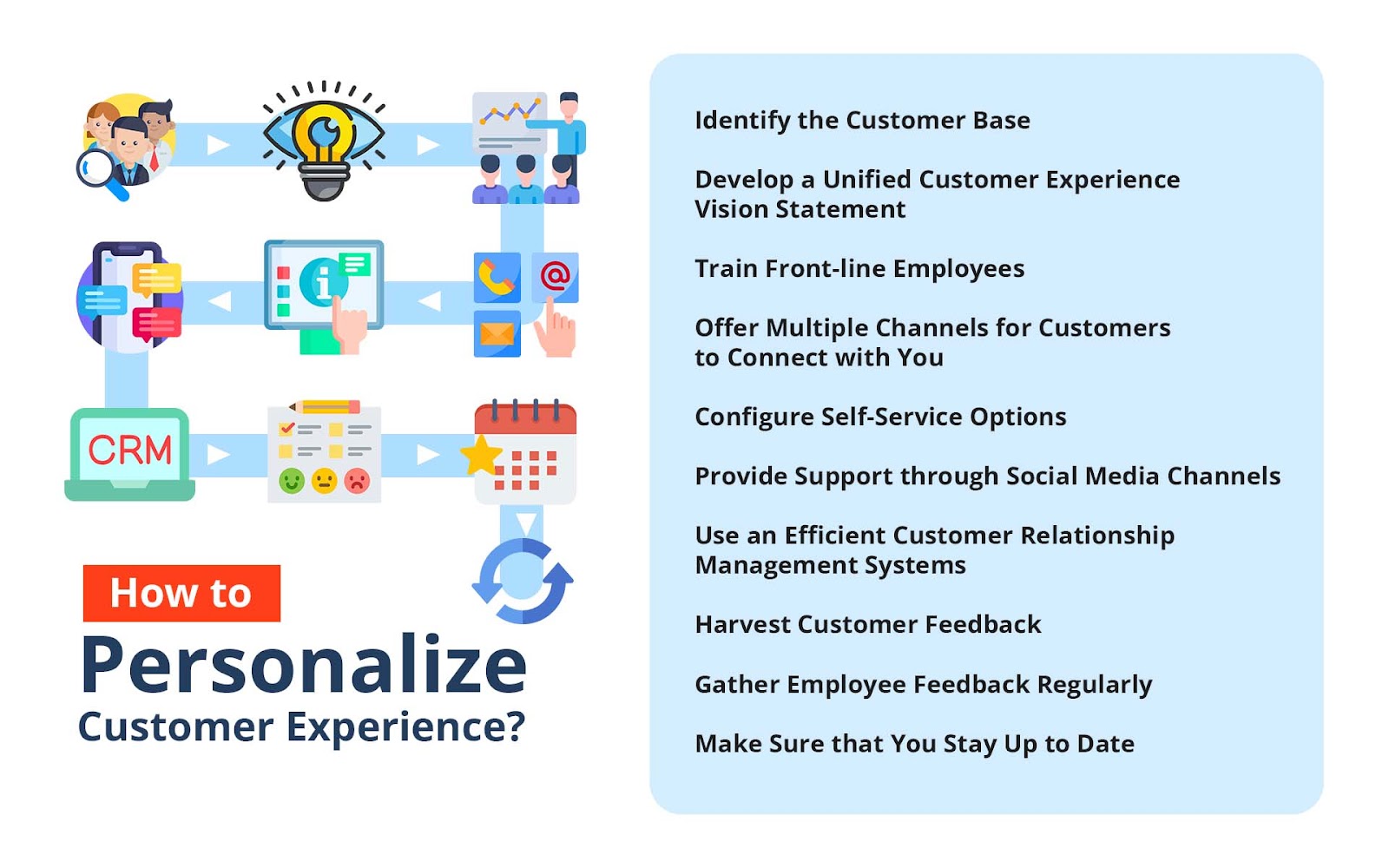
Real-time personalization is powerful, but it’s useless if it can't be scaled. Automation is the key to delivering personalized experiences to thousands – or even millions – of customers without overwhelming your marketing team. CE 65 enables businesses to automate a wide range of actions, from sending personalized email campaigns to dynamically adjusting website content.
For instance, if a customer adds an item to their wishlist, CE 65 can automatically send them an email notifying them when the item goes on sale. Or, if a customer has repeatedly viewed a specific product category, the platform can dynamically display related products on the homepage. These automated actions are triggered by specific customer behaviors, ensuring that the right message is delivered to the right person at the right time.
However, automation must be handled with care. Overly aggressive or poorly targeted automation can feel impersonal and even intrusive. CE 65 addresses this risk by allowing businesses to create intelligent rules and contextual awareness, ensuring that automated actions are relevant and valuable to the customer.
B2B vs. Retail: Different Personalization Needs
Personalization strategies need to be tailored to the specific needs of your target audience. The approach for B2B customers will differ significantly from that for retail customers. In the B2B world, personalization often revolves around account-based marketing (ABM) and focusing on the needs of key decision-makers within an organization.
For example, CE 65 can be used to identify the individuals within a target account who are most likely to influence a purchasing decision. Then, it can deliver personalized content and offers specifically tailored to their interests and pain points. This might involve showcasing relevant case studies, inviting them to exclusive webinars, or providing them with access to personalized product demos.
Retail personalization, on the other hand, typically focuses on individual customer preferences. CE 65 can analyze a customer’s past purchases, browsing history, and demographic data to recommend products they are likely to be interested in. It can also personalize website content, email campaigns, and even in-app notifications to create a more engaging and relevant shopping experience. The key is understanding the individual, not the organization.
What comes next for CX
The evolution of real-time personalization is far from over. Emerging trends like generative AI are poised to unlock even more sophisticated personalization capabilities. Imagine a world where AI can dynamically create personalized content – product descriptions, email subject lines, even entire web pages – tailored to each individual customer. That future is closer than you think.
However, these advancements also come with challenges. Privacy concerns are paramount, and businesses will need to find ways to deliver personalized experiences without compromising customer data. Privacy-preserving personalization techniques, such as differential privacy and federated learning, will become increasingly important.
Platforms like CE 65 have to change as privacy laws get stricter. The winners will be the ones that figure out how to use federated learning to keep data private while still keeping the experience personal.
Personalization Tactic Value Comparison: B2B vs. Retail
| Personalization Tactic | B2B Value | Retail Value | Implementation Complexity |
|---|---|---|---|
| Personalized Content Recommendations | Better for nurturing long-term relationships | Higher volume, focus on immediate purchase | Moderate |
| Dynamic Website Messaging | Focus on account-specific solutions | Focus on product discovery and promotions | Moderate |
| Account-Based Marketing (ABM) | Core strategy, highly valuable | Not Applicable | High |
| Personalized Email Campaigns | Detailed, relationship-focused | Promotional, high frequency | Moderate |
| Predictive Product Suggestions | Useful for replenishment & expansion | Key driver of basket size | Moderate to High |
| Loyalty Program Customization | Tiered benefits based on account value | Tiered benefits based on purchase frequency | Moderate |
| Personalized Pricing | Requires careful consideration; value-based | More common, focused on promotions | High |
| Behavioral Triggered Messaging | Focus on key account actions & milestones | Focus on cart abandonment & browsing history | Moderate |
Qualitative comparison based on the article research brief. Confirm current product details in the official docs before making implementation choices.
No comments yet. Be the first to share your thoughts!