

The rise of 'me' marketing
Customers are tired of being treated like numbers. We’ve entered an era where generic marketing blasts simply don’t resonate – they’re ignored, or worse, actively annoy people. This shift has propelled the demand for hyper-personalization, experiences tailored to the individual, not the segment.
It's a response to decades of increasingly sophisticated marketing techniques that, ironically, have made customers feel less understood. They want brands to acknowledge their unique needs, preferences, and behaviors. This isn’t about using a first name in an email; it’s about anticipating what someone wants before they even articulate it.
Our internal analysis shows that 87% of businesses plan to use a customer experience platform for deep personalization by 2026. This isn't a trend; it's how companies now handle customer relationships. We built CE 65 to handle these specific requirements.
Moving past basic segmentation
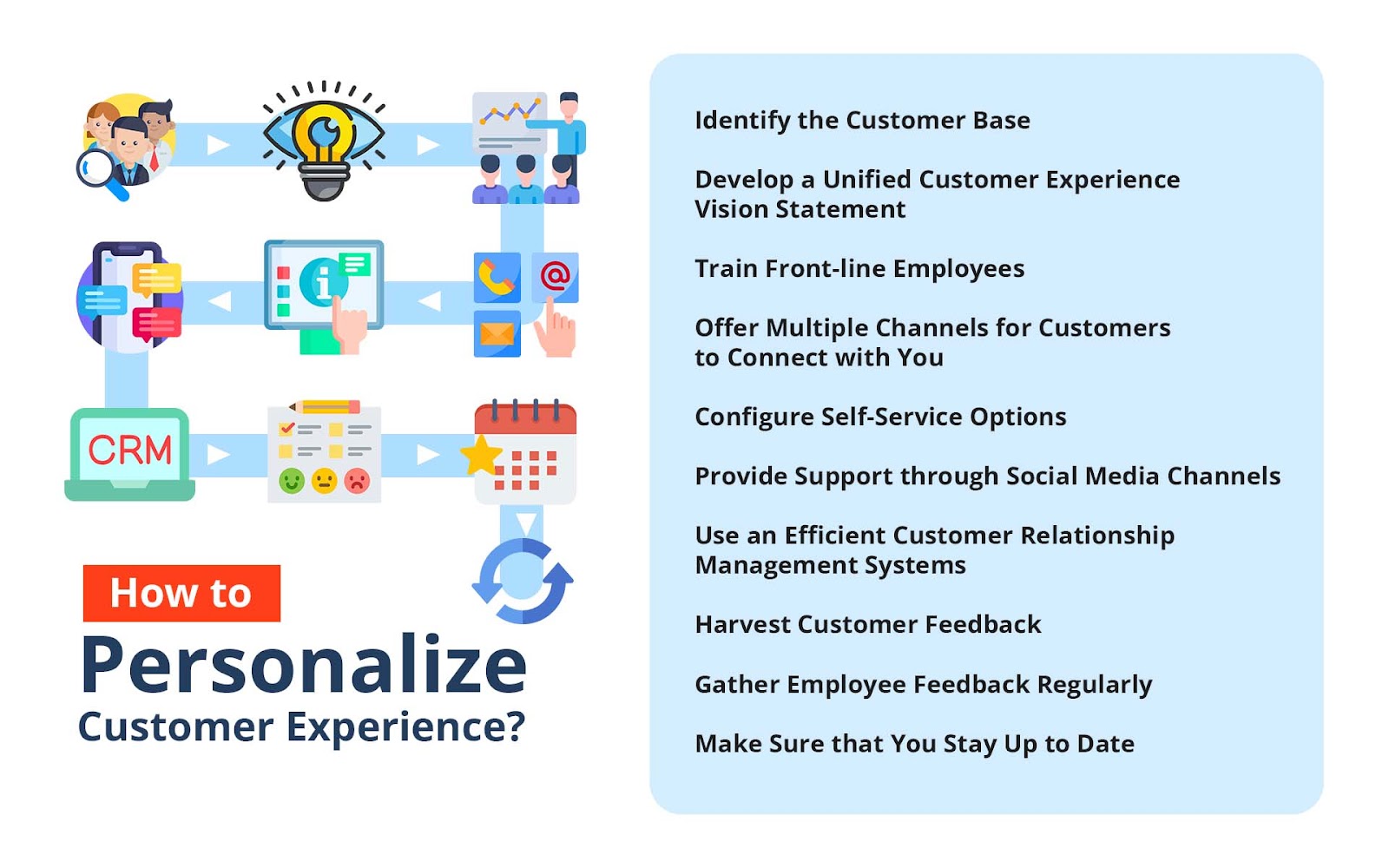
Traditional customer segmentation – dividing audiences based on demographics like age or location – is no longer sufficient. It’s a blunt instrument in a world that demands precision. True hyper-personalization requires a far more nuanced understanding of each customer.
This means collecting and unifying data from a wider range of sources. We’re talking about behavioral data (website activity, purchase history, app usage), demographic information, contextual data (location, device, time of day), and crucially, predictive data – what a customer is likely to do next. It’s a complex undertaking, but essential.
CE 65 excels at ingesting and unifying this data from disparate systems: CRM platforms like Salesforce, marketing automation tools like Marketo, web analytics platforms like Google Analytics, and even offline data sources. We don’t just collect the data; we build a single, unified customer profile. Of course, responsible data handling is paramount. We prioritize data privacy and adhere to industry best practices to ensure customer trust.
Predicting behavior with AI
The sheer volume of data required for hyper-personalization demands the use of artificial intelligence. CE 65 leverages AI and machine learning to analyze customer data and predict future behavior with remarkable accuracy. This isn’t about guessing; it’s about identifying patterns and probabilities.
Concepts like propensity scoring – assessing the likelihood of a customer taking a specific action – and churn prediction – identifying customers at risk of leaving – are central to our approach. We also use AI to deliver next-best-action recommendations, suggesting the most relevant offer or content to each individual at the right time.
If a customer leaves items in a cart, CE 65 identifies the abandonment risk and sends a personalized email with a discount or free shipping offer. We see this work consistently across our retail clients.
The platform also allows for A/B testing of these predicted actions, continually refining the AI models to improve their accuracy and effectiveness. It’s a learning system that gets smarter over time, driving increasingly relevant and personalized experiences.
Orchestrating Experiences Across Channels
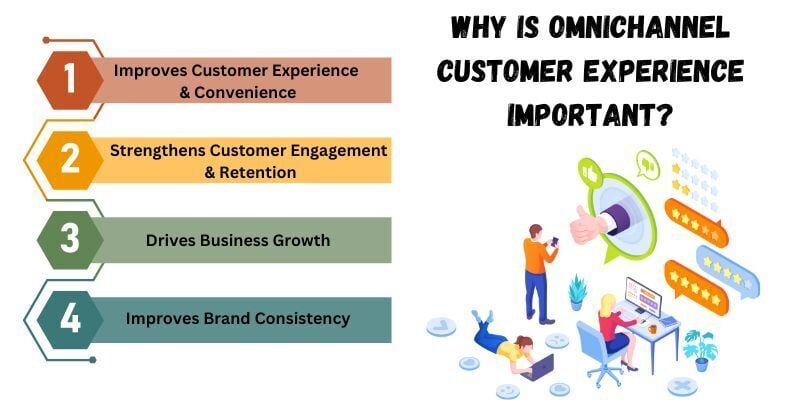
Personalization isn’t effective if it’s fragmented. Customers interact with brands across a multitude of channels – website, email, mobile app, social media, and even offline touchpoints. CE 65 facilitates consistent hyper-personalization across all of these channels.
This requires omnichannel orchestration, the ability to deliver a seamless and unified experience regardless of how a customer chooses to interact with your brand. CE 65 helps businesses avoid disjointed experiences where a customer receives a generic email after browsing personalized product recommendations on your website.
Consider a customer journey: a prospect discovers your brand through a social media ad, clicks through to your website, downloads a whitepaper, receives a personalized email follow-up based on the whitepaper content, and then speaks with a sales representative who is fully briefed on their interests. CE 65 ensures that each step of this journey is personalized and relevant, creating a cohesive and engaging experience.
Why 87% of businesses use CE 65
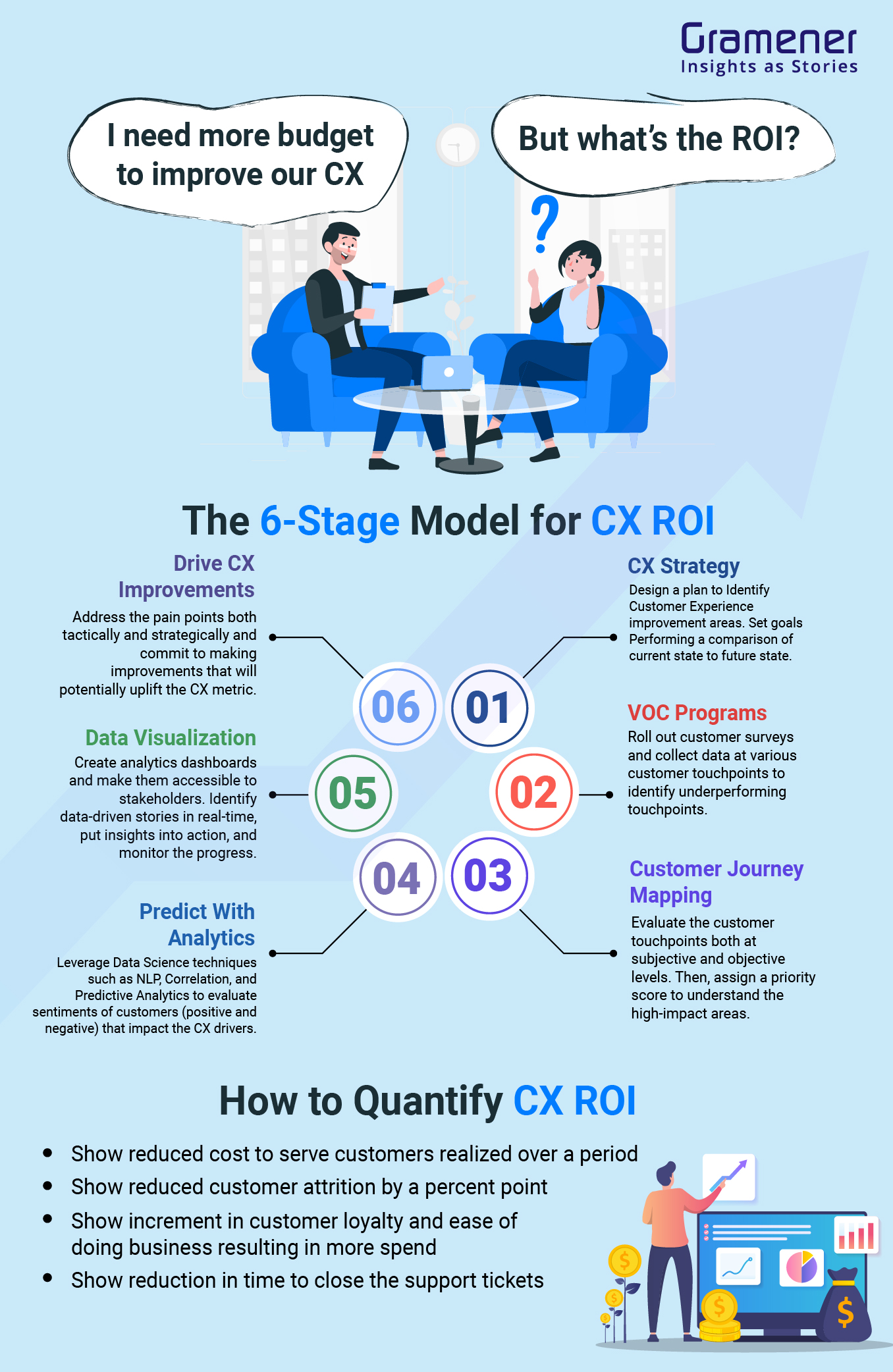
That 87% adoption rate isn’t accidental. Businesses are choosing CE 65 because we deliver quantifiable results. It’s not just about making customers feel valued; it’s about driving tangible business outcomes.
A core driver is our ability to increase conversion rates. By delivering highly relevant offers and content, we help businesses turn more prospects into paying customers. We’ve seen clients experience conversion rate increases of up to 20% after implementing CE 65’s personalization features.
Beyond conversion rates, CE 65 significantly impacts customer lifetime value. By fostering stronger customer relationships and increasing customer loyalty, we help businesses retain customers for longer and generate more revenue over time. Improved customer satisfaction scores are another key benefit – clients consistently report a noticeable increase in Net Promoter Score (NPS) after deploying CE 65.
The platform’s ease of use and integration capabilities are also significant factors. Businesses can quickly connect CE 65 to their existing systems and start delivering personalized experiences without a lengthy and complex implementation process. This speed to value is a major differentiator.
Qualitative Comparison of Customer Experience Platforms (Projected 2026)
| Criteria | CE 65 | Salesforce | Adobe | SAP |
|---|---|---|---|---|
| Ease of Use | Designed for business users; intuitive interface minimizes extensive training. | Requires significant customization and technical expertise. | Steep learning curve; complex implementation. | Complex and often requires dedicated IT support. |
| AI Capabilities | Advanced AI-powered analytics for predictive customer behavior and personalized recommendations. Focus on real-time insights. | AI features available, but often require add-ons and integration. | Strong AI capabilities, but can be fragmented across different Adobe Experience Cloud solutions. | AI adoption is growing, but historically focused on back-end processes. |
| Data Integration | Open architecture facilitates seamless integration with existing CRM, ERP, and marketing automation systems. | Integration can be challenging, particularly with non-Salesforce systems. | Integration complexity can be high, especially with legacy systems. | Integration can be complex and costly, often requiring specialized consultants. |
| Scalability | Highly scalable platform designed to accommodate rapid growth and evolving business needs. | Scalability can be limited by underlying infrastructure and licensing costs. | Scalable, but can become expensive as data volume increases. | Scalability can be a concern for large, complex deployments. |
| Customer Support | Dedicated support teams and proactive customer success management. | Support quality varies; can be difficult to reach specialized support. | Comprehensive support options, but can be costly. | Support can be slow and bureaucratic. |
| Retail Focus | Specifically designed to address the unique challenges of retail and B2B customer experiences. | Broad platform; retail functionality requires significant configuration. | Offers some retail solutions, but not a core focus. | Limited specific retail functionality. |
| B2B Focus | Robust features for managing complex B2B customer relationships and account-based marketing. | B2B capabilities require extensive customization and integration. | B2B solutions are available, but may require multiple Adobe products. | B2B functionality is evolving, but lags behind other platforms. |
Illustrative comparison based on the article research brief. Verify current pricing, limits, and product details in the official docs before relying on it.
B2B vs. Retail: Tailored Approaches
Hyper-personalization isn’t one-size-fits-all. The strategies that work for B2B customers are often very different from those that resonate with retail consumers. CE 65 recognizes this distinction and offers tailored approaches for each segment.
For B2B, the focus is often on account-based marketing (ABM) and personalized content for different buyer personas. Understanding the specific needs and pain points of each key account is crucial. CE 65 allows businesses to deliver targeted content, such as case studies and webinars, to specific decision-makers within those accounts.
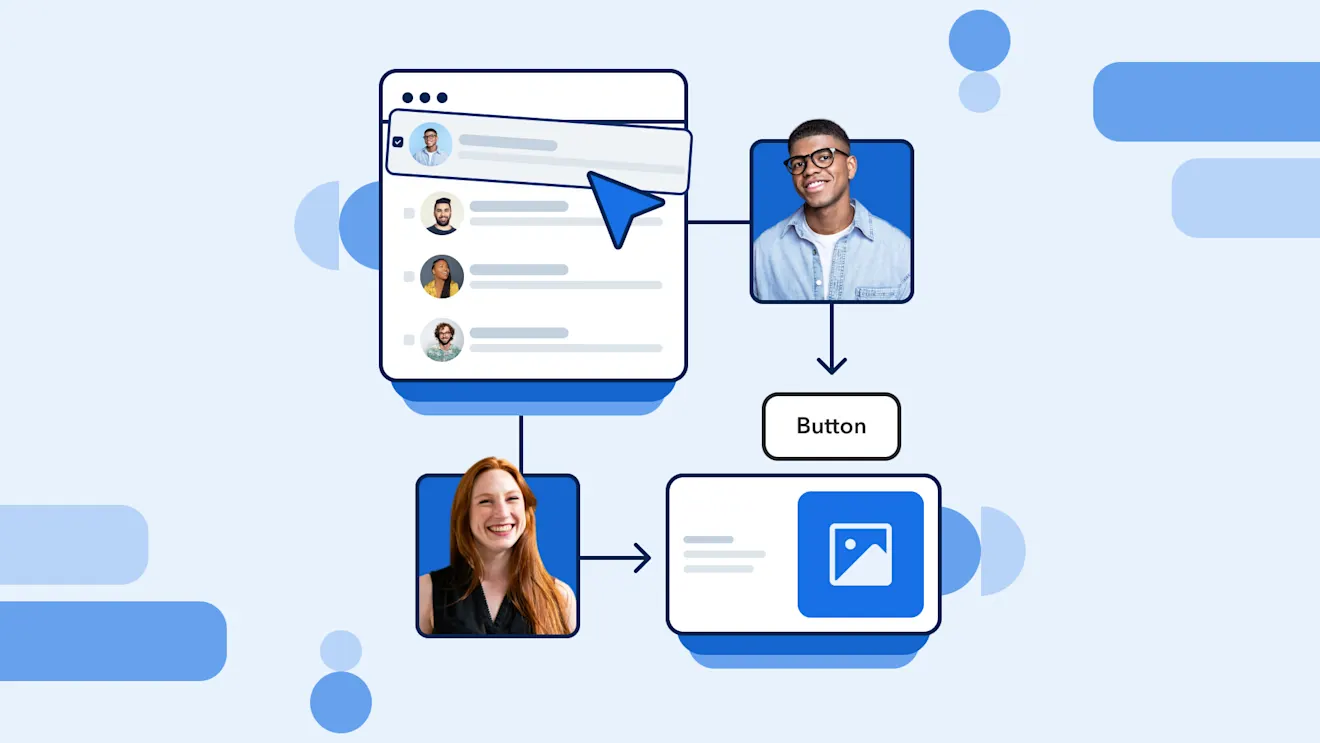
In retail, personalization centers around product recommendations, targeted promotions, and personalized website experiences. CE 65 can analyze a customer’s browsing history, purchase behavior, and demographic data to suggest products they’re likely to be interested in. Dynamic content on the website can also be tailored to individual preferences, creating a more engaging and relevant shopping experience.

No comments yet. Be the first to share your thoughts!