

ESG is now part of the customer experience
For a long time, Environmental, Social, and Governance (ESG) factors were largely considered back-end concerns – compliance hurdles for legal and investor relations teams. That’s changing, and quickly. Increasingly, ESG isn’t just about how a company operates, but how customers perceive that operation. It’s becoming a core driver of brand preference and loyalty, and businesses need to recognize this fundamental shift.
Consumers are demonstrating a clear willingness to support brands that align with their values. A 2023 study by Deloitte showed that 57% of consumers have stopped purchasing from brands that contradict their personal beliefs, and 68% are willing to pay more for products from sustainable businesses. This isn’t a niche trend; it's a broad-based change in consumer behavior, impacting everything from fast-moving consumer goods to financial services.
Institutional investors are also moving money toward companies with clear ESG records. Ignoring this is a financial risk. We built CE 65 to help you measure how these environmental and social factors actually change the way your customers interact with your brand.
We’re seeing a move beyond simply talking about sustainability to actively demonstrating it through the entire customer journey. This requires a holistic approach, and that’s where a platform like CE 65 comes in. It’s about weaving ESG considerations into the fabric of your CX strategy, not treating them as an afterthought.
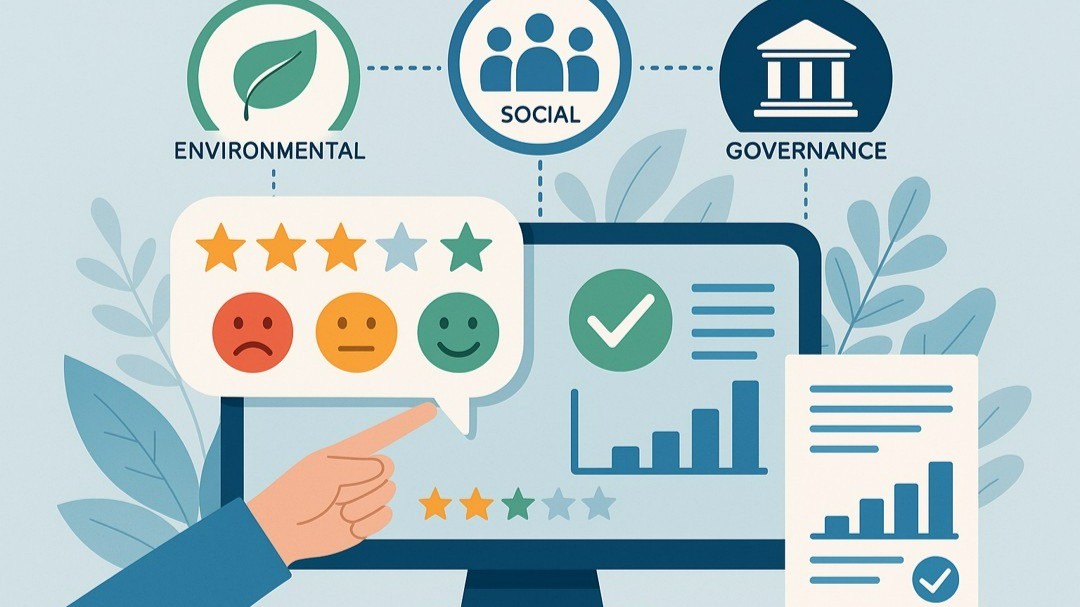
What customers will expect by 2026
Looking ahead to 2026, customer expectations around sustainability will be significantly higher. Transparency will be paramount. Customers will demand to know where products come from, how they’re made, and the environmental and social impact of the entire supply chain. Ethical sourcing, reduced carbon footprints, and inclusive practices won’t be “nice-to-haves” – they’ll be expected.
These expectations aren’t uniform across demographics. Gen Z and Millennials, in particular, are driving the demand for sustainable products and practices. A recent report from McKinsey found that these generations are more likely to choose brands based on their social and environmental impact than older generations. However, this concern extends beyond younger consumers, becoming a mainstream priority.
The industry also matters. In retail, customers are increasingly scrutinizing brands for fast fashion, packaging waste, and ethical labor practices. In B2B, companies are facing pressure from their own customers (and their own employees) to adopt more sustainable supply chains and operational practices. Failing to meet these expectations can lead to brand damage, customer churn, and lost revenue.
We're observing a shift in what constitutes 'value' for the customer. Price and convenience remain important, but they are no longer the sole determinants of purchase decisions. Increasingly, customers are factoring in a company’s values and its commitment to sustainability when making their choices. This is a significant challenge – and opportunity – for businesses.
How ESG-Aware is Your Customer Experience?
Environmental, Social, and Governance (ESG) factors are increasingly important to customers. By 2026, expectations around business sustainability will be significantly heightened. This short quiz will help you assess your company's current approach to ESG within the customer experience and identify areas for potential improvement. Answer honestly to get a sense of where your business stands.
Tracking sustainability with real data
Measuring sustainable CX requires a shift in the metrics we track. Traditional CX metrics, like Net Promoter Score (NPS) and Customer Satisfaction (CSAT), are still important, but they don’t tell the whole story. Businesses need to start tracking metrics that specifically relate to their ESG performance. This includes things like carbon footprint per customer interaction, ethical sourcing scores, and diversity & inclusion metrics within the customer journey.
The challenge lies in data collection and integration. Sustainability data often resides in disparate systems – supply chain management systems, environmental reporting tools, and HR databases. CE 65 addresses this by providing a platform to integrate data from multiple sources, creating a unified view of the customer experience and its associated ESG impact. This allows for a more holistic understanding of performance.
CE 65’s AI-powered analytics can help identify areas for improvement that might otherwise go unnoticed. For example, the platform can analyze customer feedback to identify concerns about packaging waste or ethical sourcing. It can also track the impact of sustainability initiatives on customer behavior, such as the adoption of eco-friendly products. This makes it possible to move beyond anecdotal evidence to data-driven decision-making.
Specifically, we can help track the percentage of customer service interactions handled through paperless channels, the volume of returns due to quality issues (often linked to unsustainable production), and the diversity representation in marketing materials. These data points, when combined, paint a picture of a company’s commitment to sustainable practices.
Using automation for ethical interactions
Automation often gets a bad rap for being impersonal, but it can actually be a powerful tool for enhancing sustainable CX. When used thoughtfully, automation can help businesses deliver more ethical and environmentally friendly experiences. For instance, personalized recommendations can steer customers towards eco-friendly products, reducing their environmental impact.
Automated responses to sustainability-related inquiries can provide customers with quick and accurate information about a company’s ESG initiatives. Chatbots can be programmed to answer common questions about sourcing, manufacturing, and environmental impact. This not only improves customer satisfaction but also demonstrates transparency. CE 65’s automation tools allow for the creation of these kinds of intelligent interactions.
Another area where automation can help is in reducing waste. Automated email marketing campaigns can be optimized to target customers who are most likely to be interested in sustainable products, reducing the number of unwanted emails and conserving energy. Automated shipping notifications can provide customers with accurate delivery estimates, minimizing the risk of missed deliveries and unnecessary transportation.
It's important to remember that automation should support ethical practices, not replace them. We need to ensure that automated systems are designed with fairness, transparency, and accountability in mind. CE 65 allows for careful configuration of automation rules to prioritize these values.
Personalization based on shared values
Personalization has evolved beyond simply recommending products based on past purchases. The most effective personalization now aligns with a customer’s underlying values. If a customer has expressed interest in environmental issues, for example, a company can highlight its sustainability initiatives or offer discounts on ethically sourced products.
CE 65 segments customers by their actual behavior and stated preferences. You can group people based on their purchase history—like those who only buy plastic-free items—to make sure your messaging matches what they actually care about.
Consider a customer who consistently purchases organic food. A personalized email could highlight a company’s commitment to sustainable agriculture or promote its partnership with local farmers. This demonstrates that the company understands the customer’s values and is willing to align its actions accordingly. It's about building trust and fostering a deeper connection.
This approach requires a deeper understanding of the customer, and a willingness to move beyond superficial data points. It’s about recognizing that customers are not just buyers, they are individuals with beliefs, values, and aspirations.
The B2B side of sustainability
The expectations for B2B sustainability differ significantly from those in the B2C world. While individual consumers may focus on product-level sustainability, B2B buyers are more concerned with the overall sustainability of their suppliers and their supply chains. They’re looking for transparency, accountability, and a commitment to responsible business practices.
B2B buyers are increasingly demanding ESG information from their suppliers, often as a condition of doing business. This includes things like carbon accounting, responsible sourcing policies, and diversity & inclusion initiatives. Companies that can’t provide this information risk losing out on valuable contracts. CE 65 can help businesses track and report on these metrics, demonstrating their commitment to sustainability.
Supply chain transparency is particularly important in the B2B context. Buyers want to know where materials come from, how they’re processed, and the environmental and social impact of the entire supply chain. CE 65 can help businesses map their supply chains and identify potential risks and opportunities.
For example, a manufacturing company might use CE 65 to track the carbon footprint of its suppliers and identify opportunities to reduce emissions. They might also use the platform to monitor compliance with ethical labor standards. This allows them to make informed decisions about their sourcing and demonstrate their commitment to sustainability to their own customers.
B2B vs. B2C Sustainability Expectation Priority - Approaching 2026
| Expectation | B2B Priority | B2C Priority |
|---|---|---|
| Supply Chain Transparency | High | Medium |
| Carbon Footprint Reporting | High | Medium |
| Ethical Sourcing of Materials | Medium | High |
| Sustainable Packaging | Medium | High |
| Product Circularity/End-of-Life Programs | Medium | Medium |
| Commitment to Renewable Energy | Medium | Medium |
| Fair Labor Practices | High | Medium |
| Water Conservation Efforts | Low | Medium |
Illustrative comparison based on the article research brief. Verify current pricing, limits, and product details in the official docs before relying on it.

No comments yet. Be the first to share your thoughts!