

Moving past greenwashing
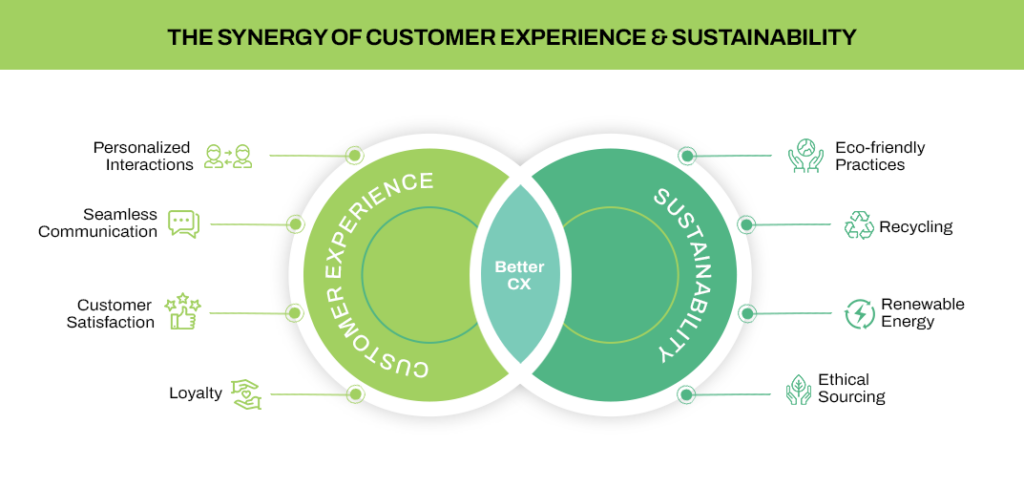
Sustainable Customer Experience, or Sustainable CX, is about more than just appearing environmentally conscious. It's a fundamental shift in how businesses approach customer interactions, with a focus on minimizing the environmental impact of every digital touchpoint. We're talking about actively reducing the carbon footprint of our websites, apps, and all the infrastructure that supports them. It isn’t enough to simply say you care; you need to demonstrate it through measurable actions.
Green initiatives used to be just marketing fluff. Now, people see through greenwashing. Our 2024 research shows that most buyers check a company's environmental record before hitting the purchase button. They aren't just looking for a recycled logo; they want to see that the digital infrastructure behind the brand isn't wasting energy.
This means rethinking everything from data storage to website design. It requires a commitment to efficiency, transparency, and responsible resource management. Sustainable CX isn't a separate initiative; it's an integrated approach to customer experience management that considers the planet alongside people and profit. A genuine commitment is what will resonate with today’s consumer.
The hidden energy cost of digital clicks
It's easy to overlook the environmental cost of digital experiences, but it’s substantial. Every website visit, every email sent, every video streamed consumes energy. A significant portion of this energy comes from data centers, which require massive amounts of power to operate and maintain. Network infrastructure – the cables, routers, and servers that transmit data – also contributes to the overall carbon footprint.
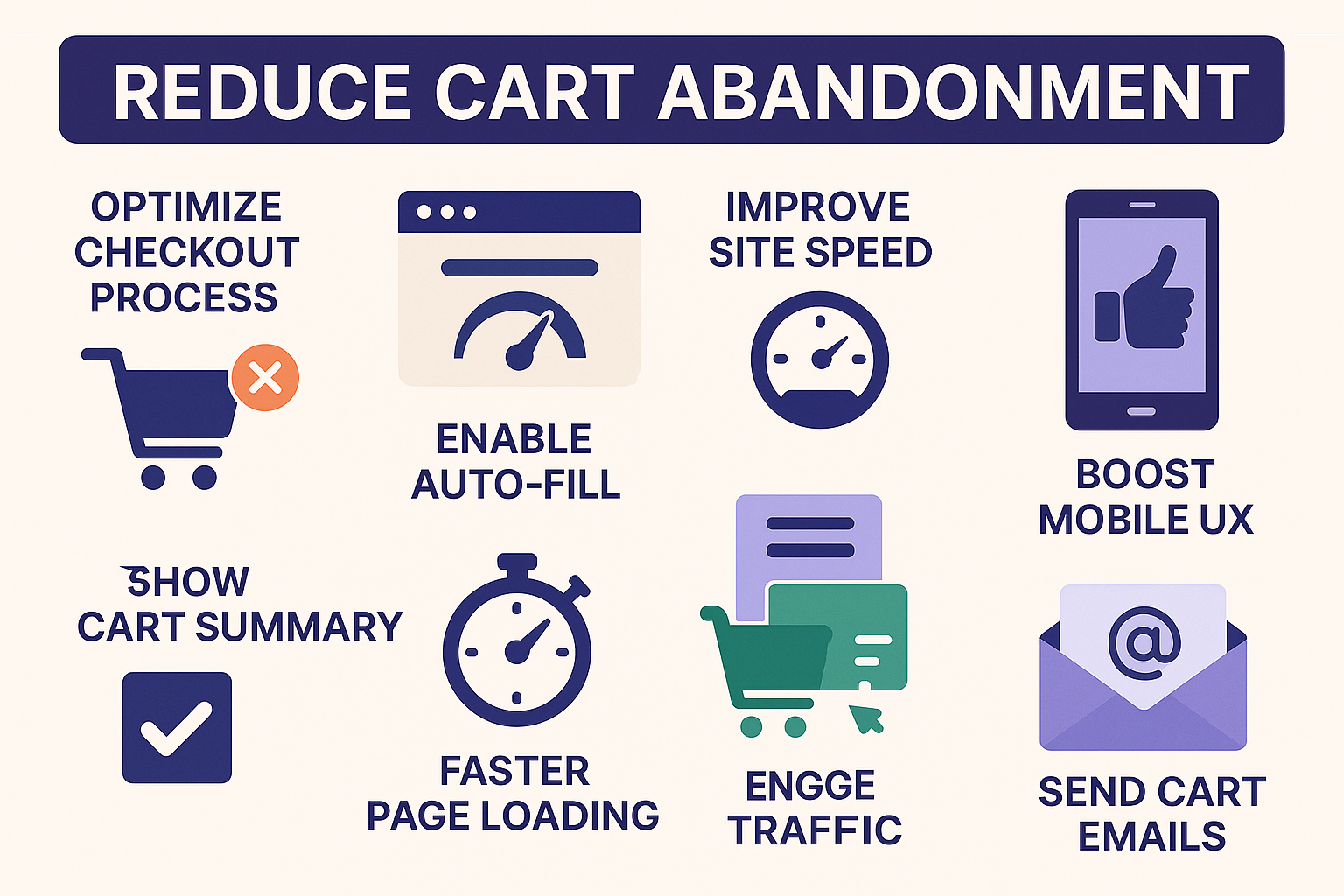
Consider the energy used by user devices themselves. Laptops, smartphones, and tablets all require electricity to function, and the energy demand increases with more complex websites and applications. Then there's the issue of 'digital waste' – abandoned shopping carts, inactive user accounts, and unnecessary data storage all contribute to wasted resources. These seemingly small interactions add up to a significant environmental impact.
Data transfer is a particularly large contributor. The more data that needs to be moved, the more energy is consumed. Server load, driven by peak traffic or inefficient code, further exacerbates the problem. Even rendering complex web pages with numerous images and videos requires more processing power and energy. We have to acknowledge these hidden costs.
Trimming the fat from your website
One of the most effective ways to reduce the environmental impact of your CX is to optimize website performance. A faster, leaner website consumes less energy. Image optimization is critical; compressing images without sacrificing quality can dramatically reduce file sizes and data transfer. Code minification – removing unnecessary characters from your website's code – also helps to reduce file sizes and improve loading speeds.
Efficient caching strategies are essential. By storing frequently accessed data closer to the user, you can reduce the need to repeatedly retrieve it from the server. Choosing a green hosting provider is another important step. Many hosting companies now offer renewable energy-powered servers or carbon-neutral hosting options. It’s a matter of prioritizing providers who share your commitment.
CE 65’s analytics tools can play a vital role in identifying areas for improvement. By tracking website performance metrics like page load time and data transfer rates, you can pinpoint bottlenecks and optimize your website for both user experience and sustainability. A faster website isn't just better for the environment; it's better for your customers, too. It’s a win-win.
- Compress images to reduce file sizes without ruining the visuals.
- Clean up website code by removing unnecessary characters and spaces.
- Use caching to store data closer to the user so the server doesn't work as hard.
- Switch to a hosting provider that runs on renewable energy.
Automation that saves energy
Automation isn’t just about speed and efficiency; it can also be a powerful tool for Sustainable CX. For example, chatbots can handle a large volume of customer inquiries, reducing the need for human agents and the associated energy consumption of office spaces. Automated email campaigns, when targeted effectively, can minimize unnecessary data transfer by only reaching relevant customers.
Intelligent routing is another key benefit. By directing customers to the most appropriate resources, you can minimize server load and optimize energy usage. This prevents unnecessary strain on your infrastructure and reduces overall energy consumption. The goal is to do more with less – to achieve greater efficiency with minimal environmental impact.
CE 65’s automation capabilities are designed to help businesses achieve these goals. Our platform allows you to automate a wide range of customer interactions, from simple inquiries to complex transactions, all while minimizing your environmental footprint. It’s about working smarter, not just faster.
Personalization's Paradox: Balancing Relevance with Resource Use
Personalization is a cornerstone of modern CX, but it presents a unique challenge for sustainability. The more personalized an experience, the more data needs to be collected, processed, and stored. This increased data handling consumes energy and contributes to your overall carbon footprint. It’s a balancing act between delivering relevant experiences and minimizing environmental impact.
The key is to prioritize responsible personalization. Focus on collecting only the data you truly need, and be transparent with customers about how their data is being used. Avoid excessive data collection simply for the sake of hyper-personalization. Instead, focus on delivering value and building trust.
Data privacy is also paramount. By protecting customer data, you’re not only fulfilling a legal and ethical obligation but also reducing the risk of data breaches and the associated energy costs of remediation. A sustainable approach to personalization respects both the customer and the planet.
Using AI to find energy leaks
Artificial intelligence and machine learning offer tremendous potential for optimizing CX for sustainability. Predictive analytics can anticipate customer needs, reducing the need for reactive interactions and minimizing wasted resources. AI-powered routing can intelligently direct customers to the most efficient channels, reducing server load and energy consumption.
Anomaly detection can identify and address energy inefficiencies in your CX infrastructure. By flagging unusual patterns in data usage, AI can help you pinpoint areas where you can reduce your environmental impact. This proactive approach can save energy and money.
CE 65’s AI-powered analytics platform provides actionable insights to help you achieve these goals. We can help you identify opportunities to optimize your CX for sustainability, track your progress, and demonstrate your commitment to environmental responsibility. It's about leveraging the power of AI to create a more sustainable future.
ESG Reporting & The Future of CX Measurement
Environmental, Social, and Governance (ESG) reporting is becoming increasingly important for businesses of all sizes. Investors, customers, and employees are all demanding greater transparency and accountability when it comes to sustainability. Measuring and tracking your Sustainable CX efforts is essential for demonstrating your commitment to ESG principles.
CE 65’s framework for incorporating ESG factors into CX management provides a solid foundation for reporting. This framework helps you identify key performance indicators (KPIs) related to sustainability, such as carbon emissions, energy consumption, and waste reduction. It's about quantifying your impact and demonstrating your progress.
Reporting standards change fast, but the direction is obvious: disclosure is becoming mandatory. Waiting for a specific law to pass is a mistake. Tracking these metrics now builds a paper trail that proves your brand isn't just making things up as it goes. It is better to have the data ready before an auditor asks for it.
ESG Factors in Customer Experience Management
| Factor | Description | Measurement Metrics | CE 65 Support |
|---|---|---|---|
| Environmental Impact | Focuses on minimizing the ecological footprint of customer interactions and business operations. | Carbon emissions related to digital interactions, paperless processes adoption rate, energy consumption of digital infrastructure. | CE 65’s AI-powered analytics can identify areas for optimizing digital processes to reduce energy consumption and waste. |
| Social Responsibility | Addresses fair labor practices, diversity & inclusion, and community engagement throughout the customer journey. | Customer satisfaction scores related to ethical business practices, employee well-being metrics, supplier diversity data. | CE 65 supports understanding customer sentiment regarding social responsibility initiatives through advanced analytics. |
| Governance & Ethics | Encompasses transparency, data privacy, and responsible use of customer data. | Data breach incidents, compliance with data privacy regulations (e.g., GDPR, CCPA), ethical AI implementation. | CE 65’s framework highlights the growing importance of ESG factors, aiding in responsible data handling and transparent customer interactions. |
| Environmental Impact | Reducing waste through digital channels. | Percentage of customers using self-service options, reduction in printed materials, digital document adoption rates. | CE 65’s automation capabilities facilitate the shift towards paperless processes and digital communication. |
| Social Responsibility | Ensuring accessibility and inclusivity in customer experiences. | Website accessibility scores (WCAG compliance), customer feedback on inclusivity, representation in marketing materials. | CE 65 provides analytics to identify potential accessibility issues and improve inclusivity across all customer touchpoints. |
| Governance & Ethics | Building trust through data security and privacy. | Customer opt-in rates for data collection, adherence to privacy policies, security audit results. | CE 65 supports secure data management practices and transparent communication regarding data usage. |
Illustrative comparison based on the article research brief. Verify current pricing, limits, and product details in the official docs before relying on it.


No comments yet. Be the first to share your thoughts!