

The Data Deluge: Why Retail Needs AI-Powered Customer Experience Analytics
Retailers are drowning in data. Every purchase, every website visit, every social media interaction – it all generates a stream of information. But simply having data isn’t enough. Most retailers struggle to make sense of it all, to separate the signal from the noise. Traditional analytics methods, relying on manual reporting and lagging indicators, just can’t keep pace with the speed and complexity of modern customer behavior.
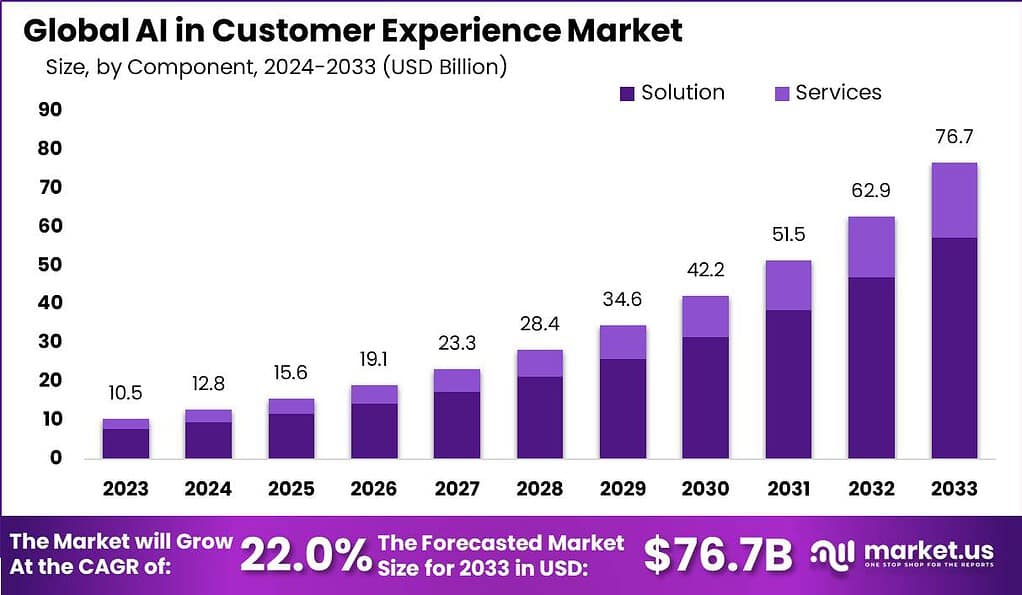
The problem isn’t a lack of information, it’s a lack of understanding. Retailers need to move beyond describing what happened to predicting what will happen, and even better, knowing what customers need before they even ask. That requires the power of artificial intelligence. Without it, valuable insights remain hidden, opportunities are missed, and customers are lost.
CE 65 addresses this challenge directly. We don't just provide another analytics tool; we offer a platform designed to unlock the value already present within your existing data assets. This empowers retailers to make smarter decisions and deliver truly exceptional customer experiences.
I’ve seen too many companies invest heavily in data collection only to be frustrated by their inability to extract meaningful insights. CE 65 is built to change that, providing a clear path from data to impact. This is a focused application of AI to specific problems facing retailers today.
Unpacking CE 65: Core AI Capabilities for Retail
At the heart of CE 65 is a sophisticated AI engine built to handle the unique demands of retail data. The platform excels at data processing, rapidly analyzing vast volumes of information from disparate sources – point-of-sale systems, e-commerce platforms, mobile apps, CRM databases, and even social media feeds. This isn't just about speed; it’s about the ability to integrate and correlate data that traditionally lived in silos.
CE 65’s pattern recognition capabilities go far beyond simple reporting. Machine learning algorithms identify subtle trends and correlations that human analysts would likely miss. For example, the platform can identify a previously unknown connection between a specific weather pattern and increased sales of a particular product category in a specific geographic region. These uncover 'aha' moments that drive strategic advantage.
Actionable insight generation is where CE 65 truly shines. We integrate seamlessly with popular business intelligence tools like Tableau, allowing users to visualize data and create custom reports. But the platform doesn’t just present data; it provides context and recommendations. It can tell you not only what happened, but why it happened, and what you should do about it.
We've built CE 65 to be incredibly flexible. It handles structured data, like sales transactions, and unstructured data, like customer reviews and social media posts. The platform automatically cleanses, transforms, and enriches data, ensuring accuracy and reliability. This is a complete solution designed to handle the complexity of modern retail data.
CE 65: Retail Data Sources & Extracted Data Types for AI-Powered Analytics (2024)
| Data Source | Data Types Extracted | AI-Powered Analysis Examples | Integration Method |
|---|---|---|---|
| Point of Sale (POS) Systems (e.g., Square, NCR, Lightspeed) | Transaction Details (date, time, amount), Items Purchased, Payment Method, Discounts Applied, Store Location | Basket Analysis (identifying frequently co-purchased items), Sales Trend Forecasting, Anomaly Detection (fraudulent transactions) | API Integration, Data Upload |
| Website Analytics (e.g., Google Analytics, Adobe Analytics) | Page Views, Time on Site, Bounce Rate, Click-Through Rates, Search Queries, Product Views, Cart Abandonment Rate | Customer Journey Mapping, Predictive Product Recommendations, Website Personalization, A/B Testing Analysis | API Integration, Tag Management |
| Mobile App Analytics (e.g., Firebase, AppsFlyer) | App Usage Frequency, Feature Adoption, In-App Purchases, Push Notification Engagement, User Demographics (where permitted) | Personalized In-App Offers, User Segmentation based on behavior, Churn Prediction, App Feature Optimization | SDK Integration, API Integration |
| Customer Relationship Management (CRM) Systems (e.g., Salesforce, Microsoft Dynamics 365) | Customer Demographics, Purchase History, Loyalty Program Status, Customer Service Interactions, Communication Preferences | Customer Lifetime Value (CLTV) Prediction, Personalized Marketing Campaigns, Targeted Customer Service, Segmentation for Loyalty Programs | API Integration, Data Synchronization |
| Social Media Platforms (e.g., Facebook, Instagram, Twitter) | Brand Mentions, Sentiment Analysis, Engagement Metrics (likes, shares, comments), Demographic Data (aggregated, anonymized) | Brand Reputation Monitoring, Sentiment-Based Product Improvement, Influencer Identification, Campaign Performance Analysis | API Integration (via platform APIs or social listening tools) |
| Email Marketing Platforms (e.g., Mailchimp, Klaviyo) | Open Rates, Click-Through Rates, Conversion Rates, Email Bounce Rates, Subscriber Demographics | Personalized Email Content, Optimal Send Time Prediction, Segmentation for Targeted Campaigns, A/B Testing of Email Subject Lines | API Integration, Webhooks |
| Loyalty Program Data | Points Earned/Redeemed, Tier Status, Reward Preferences, Participation Rate | Loyalty Program Effectiveness Analysis, Personalized Reward Recommendations, Churn Prevention, Identification of High-Value Customers | API Integration, Data Upload |
| Returns & Exchange Data | Returned Items, Return Reasons, Exchange Requests, Return Rate by Product/Category | Product Quality Issue Identification, Inventory Optimization, Customer Satisfaction Analysis related to returns process | API Integration, Data Upload |
Data sourced from AI research — verify before making decisions
Personalization at Scale: Moving Beyond Basic Segmentation
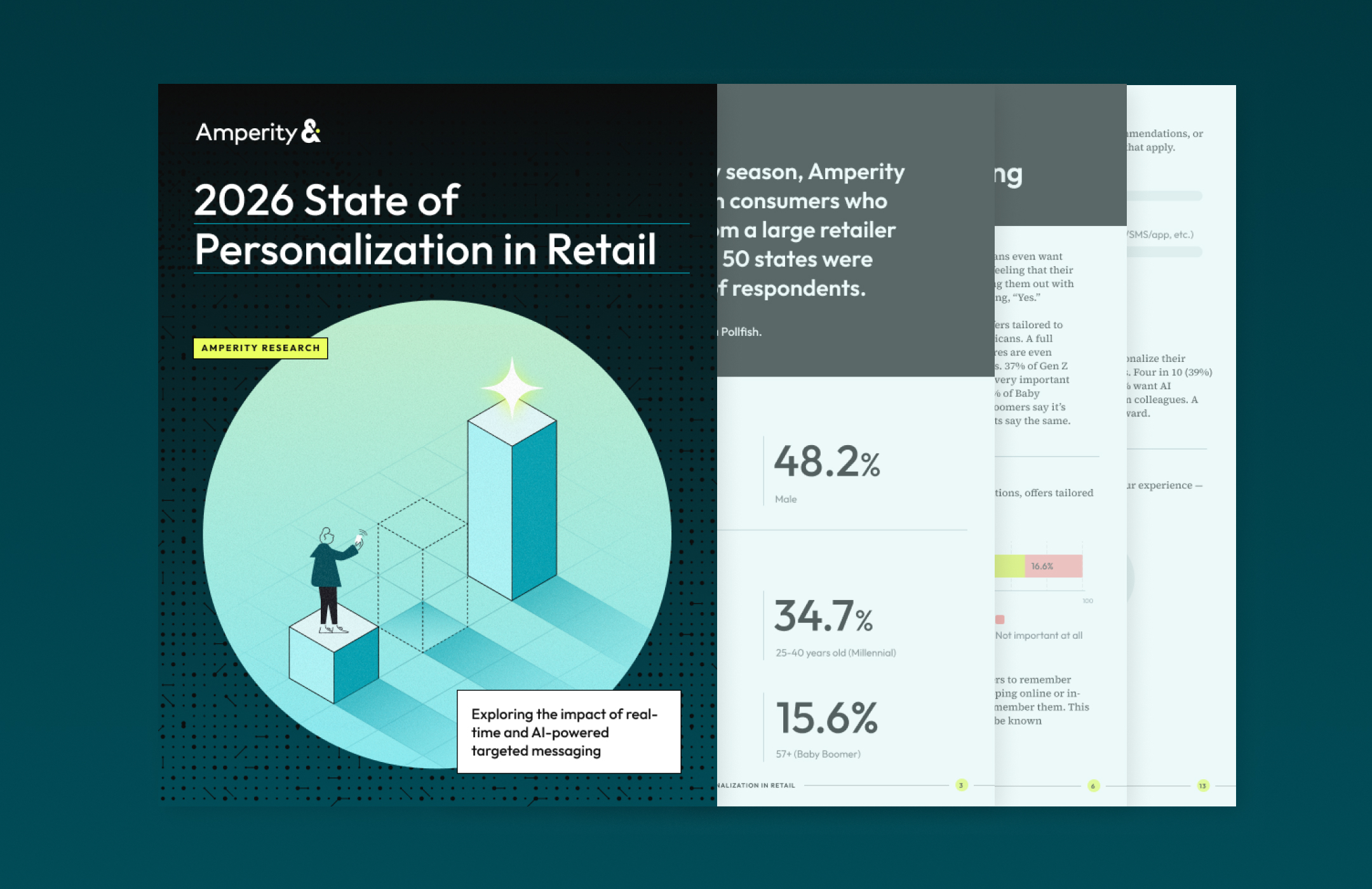
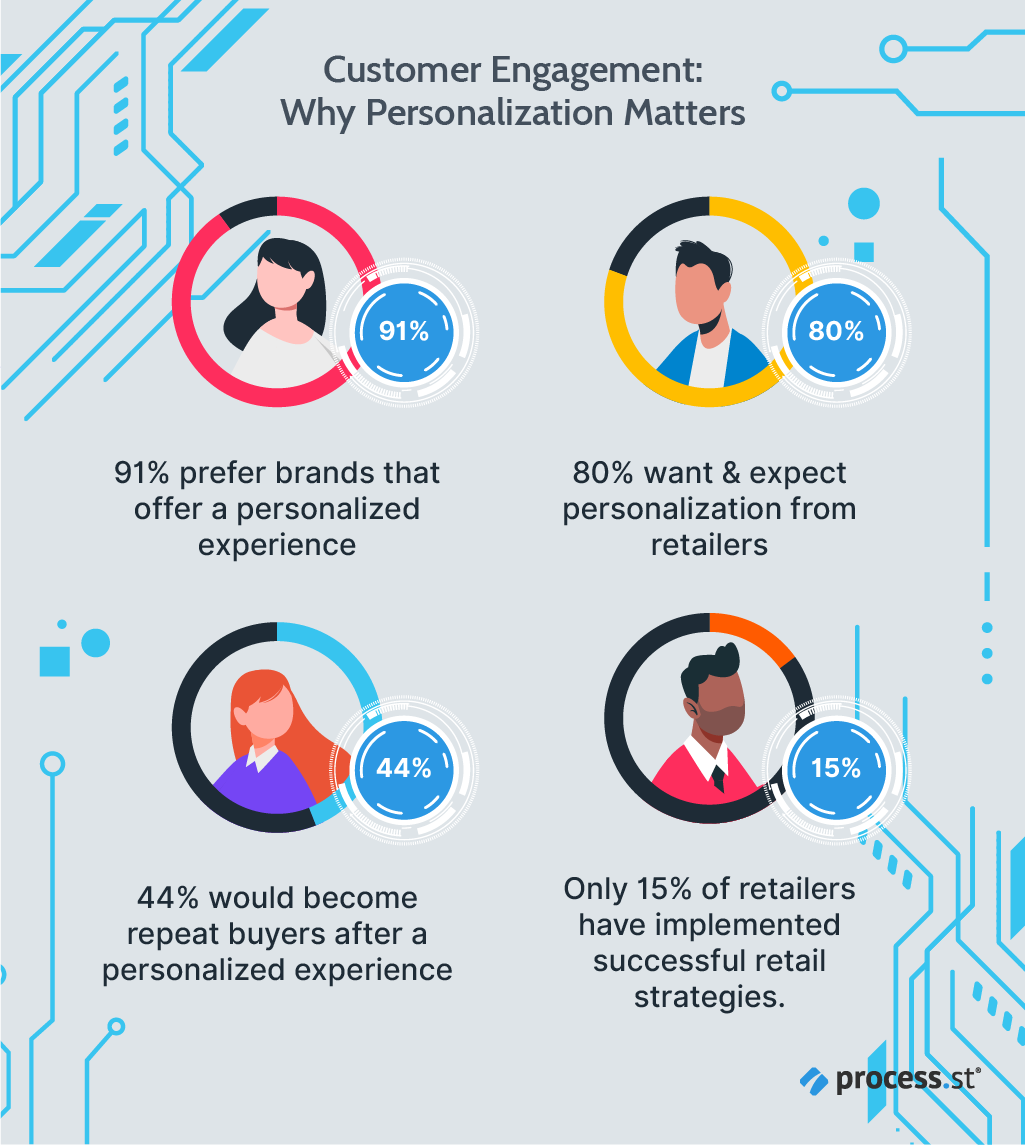
Personalization is no longer a "nice-to-have’ in retail; it’s an expectation. But basic demographic segmentation – targeting customers based on age, gender, or location – is no longer sufficient. Customers expect experiences tailored to their individual needs and preferences. This is where CE 65"s AI-powered personalization capabilities come into play.
CE 65 curates shopping recommendations based on a far more granular understanding of each customer. The platform analyzes past purchase history, browsing behavior, real-time context (like time of day, weather, or location), and even social media activity to predict what each customer is most likely to buy. This isn't just about suggesting similar itemsems; it's about anticipating needs.
Consider a customer who recently purchased running shoes. CE 65 might recommend complementary products like running socks, athletic apparel, or a fitness tracker. But it might also suggest a local running event or a training plan based on the customer’s fitness level. This level of personalization builds loyalty and drives repeat purchases. A recent study by McKinsey found that companies that excel at personalization generate 40% more revenue than those that don’t.
The benefits extend beyond product recommendations. Support agents using CE 65 receive real-time insights into customer intent and sentiment, allowing them to provide more personalized and effective service. They can see a customer's purchase history, recent interactions, and even their preferred communication channel, leading to faster resolution times and higher satisfaction scores.
Real-Time Responsiveness: Catching Moments of Truth
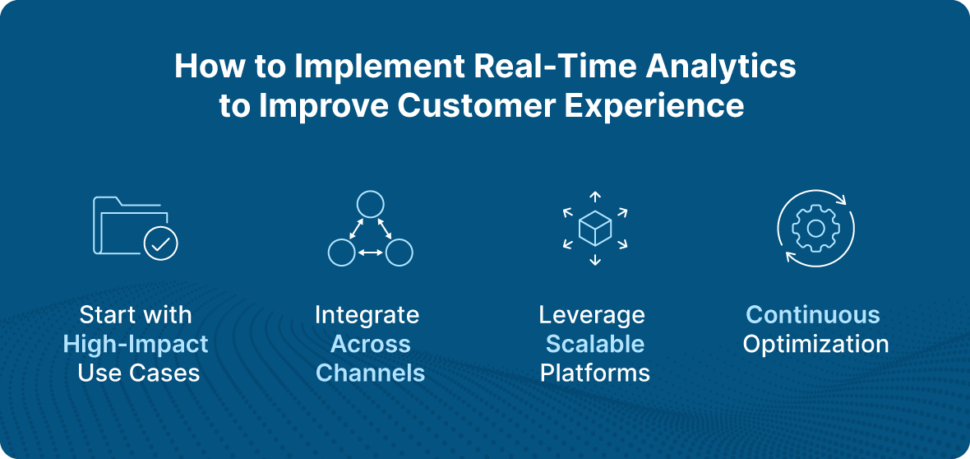
In today’s fast-paced retail environment, speed is critical. Retailers need to be able to react immediately to changing customer behavior. CE 65’s real-time analytics capabilities empower them to do just that. We’re talking about identifying and responding to "moments of truth" – those critical interactions that can make or break a customer relationship.
Imagine a customer abandoning a shopping cart on your website. With CE 65, you can automatically trigger a personalized email offering a discount or free shipping. Or, consider a sudden surge in negative sentiment on social media regarding a specific product. The platform can alert you immediately, allowing you to address the issue before it escalates. These aren't hypothetical scenarios; they’re everyday occurrences.
CE 65 enables retailers to set up automated alerts and workflows based on real-time signals. For example, you can configure the platform to notify a store manager when inventory levels for a popular item fall below a certain threshold. Or, you can automatically adjust pricing based on competitor activity. The possibilities are endless.
Being able to respond faster than your competitors is a significant competitive advantage. It demonstrates that you value your customers’ time and attention, and it builds trust and loyalty. I’ve seen companies increase conversion rates by as much as 15% simply by implementing real-time personalization strategies powered by CE 65.
Boosting Operational Efficiency: Smarter Decisions, Faster
The benefits of CE 65 extend beyond customer-facing improvements. The platform also drives significant operational efficiencies, streamlining decision-making processes and reducing costs. By providing a clear, data-driven view of the business, CE 65 empowers retailers to optimize inventory management, pricing strategies, and marketing campaigns.
For example, AI-powered demand forecasting can help retailers accurately predict which products will be in demand, reducing the risk of overstocking or stockouts. This translates directly into lower inventory costs and increased sales. Similarly, dynamic pricing algorithms can automatically adjust prices based on real-time market conditions, maximizing revenue and profitability.
CE 65 also helps retailers optimize their marketing spend. By analyzing customer data, the platform can identify the most effective channels and messages for reaching specific target audiences. This allows retailers to focus their marketing efforts on the channels that deliver the highest return on investment. A client in the apparel industry saw a 20% reduction in marketing costs after implementing CE 65.
Ultimately, CE 65 frees up employees to focus on more strategic initiatives. By automating routine tasks and providing clear, actionable insights, the platform increases productivity and allows teams to work more efficiently. It’s about empowering employees with the information they need to make better decisions, faster.
Beyond the Numbers: Understanding Customer Sentiment with AI
Data isn’t just about transactions; it’s about feelings. Understanding customer sentiment is crucial for building strong relationships and identifying areas for improvement. CE 65’s sentiment analysis capabilities go beyond simple positive/negative scoring, delving into the nuances of customer emotions.
The platform can analyze customer reviews, social media posts, support interactions, and even survey responses to gauge customer feelings about products, services, and the brand as a whole. It identifies not just what customers are saying, but how they’re saying it – detecting sarcasm, irony, and other linguistic complexities.
This nuanced understanding of customer sentiment allows retailers to proactively address issues before they escalate. For example, if the platform detects a spike in negative sentiment surrounding a new product launch, the retailer can quickly investigate the cause and take corrective action. It’s about turning potential crises into opportunities for improvement.
I think it’s important to note that sentiment analysis isn’t perfect. AI still struggles with some of the subtleties of human language. However, CE 65’s advanced algorithms and natural language processing capabilities provide a far more accurate and insightful assessment of customer sentiment than traditional methods.
CE 65 Demo: Unlocking Retail Insights with Sentiment Analysis Dashboard
CE 65 Analytics
Watch on YouTube →Future-Proofing Your Retail Strategy: AI and the Evolving Customer
The retail landscape is constantly evolving, and AI-powered analytics will only become more important in the years to come. Emerging trends like predictive analytics, AI-powered chatbots, and the metaverse will reshape the customer experience, and retailers need to be prepared.
Predictive analytics will allow retailers to anticipate customer needs even more accurately, offering personalized recommendations and proactive support. AI-powered chatbots will provide instant, 24/7 customer service, handling routine inquiries and freeing up human agents to focus on more complex issues. And the metaverse will create new opportunities for immersive shopping experiences.
CE 65 is positioned to help retailers adapt to these changes. We’re constantly investing in research and development, exploring new AI technologies and integrating them into our platform. Our goal is to provide retailers with the tools they need to stay ahead of the curve and deliver exceptional customer experiences in any environment.
However, it’s also important to acknowledge the ethical considerations surrounding AI. Data privacy and security are paramount, and retailers must ensure that they are using AI responsibly and ethically. We at CE 65 are committed to upholding the highest standards of data privacy and transparency.
CE 65 in Action: Real-World Retail Success Stories
Let's look at some real-world examples of how CE 65 is transforming retail businesses. First, consider a leading fashion retailer, 'Style Haven'. They implemented CE 65 to personalize product recommendations and improve their email marketing campaigns. Within six months, they saw a 12% increase in online sales and a 15% increase in customer lifetime value.
Style Haven’s marketing team used CE 65 to identify customers who were likely to purchase specific items based on their browsing history and past purchases. They then targeted these customers with personalized email campaigns featuring those items. They also used the platform to optimize their email subject lines and send times, resulting in higher open and click-through rates.
Another success story comes from 'Tech Solutions', an electronics retailer. They were struggling with high cart abandonment rates. After implementing CE 65, they were able to identify the key reasons why customers were abandoning their carts – things like unexpected shipping costs or complicated checkout processes. They then made changes to their website to address these issues, resulting in a 20% reduction in cart abandonment rates.
Finally, 'Fresh Foods Market', a grocery chain, used CE 65 to optimize their inventory management. By accurately predicting demand for different products, they were able to reduce waste and improve profitability. They also used the platform to identify opportunities to cross-sell and upsell products, increasing average transaction value. They reported a 8% increase in overall revenue in the first quarter after implementation. These examples demonstrate the tangible benefits that CE 65 can deliver to retailers of all sizes and across different segments.
CE 65 Retail Success Stories: 2024
- REI – Addressing Declining In-Store Engagement: CE 65 analyzed foot traffic patterns and in-store browsing behavior using anonymized mobile data (via partnerships with companies like Placer.ai). This revealed underutilized areas and peak congestion times. REI optimized store layouts and staffing levels, resulting in a 15% increase in in-store conversion rates.
- Kroger – Personalizing Digital Offers: Kroger leveraged CE 65’s AI to analyze customer purchase history (integrated with their loyalty program data) and online browsing activity. This enabled highly targeted digital coupons and personalized product recommendations via the Kroger app, boosting redemption rates by 22%.
- Best Buy – Optimizing Omnichannel Fulfillment: Best Buy used CE 65 to track customer journeys across online, in-store, and curbside pickup channels. AI identified friction points in the fulfillment process (e.g., long wait times for order pickup). Implementing optimized scheduling and dedicated pickup zones reduced fulfillment times by 18%.
- Target – Reducing Cart Abandonment: CE 65’s AI analyzed website behavior leading up to cart abandonment. Insights revealed that high shipping costs were a major deterrent. Target implemented dynamic shipping offers based on customer location and order value, decreasing cart abandonment rates by 10%.
- Walmart – Improving Customer Service Response Times: Walmart integrated CE 65 with their existing customer service platforms (like Zendesk). AI-powered sentiment analysis of customer inquiries (via phone, chat, and social media) prioritized urgent issues and routed them to the most appropriate agents, reducing average resolution times by 12%.
- Nordstrom – Enhancing Product Recommendations: Nordstrom utilized CE 65 to analyze customer style preferences based on purchase history, browsing behavior, and social media engagement (where permissioned). This significantly improved the accuracy of product recommendations on their website and app, leading to a 8% increase in average order value.
No comments yet. Be the first to share your thoughts!