

Moving beyond dashboards
Traditional business intelligence tools have long focused on what happened – sales figures, website traffic, marketing campaign performance. But understanding the customer experience requires knowing why things happened, and more importantly, how customers feel. Dashboards filled with lagging indicators simply don’t cut it anymore. They offer a historical view, while customers live in the moment.
The shift isn’t just about collecting more data, it’s about a fundamentally different kind of understanding. We need to move from reactive reporting to proactive prediction, and that’s where artificial intelligence enters the picture. AI isn’t replacing analysts; it’s augmenting their abilities, allowing them to uncover patterns and insights that would be impossible to find manually.
AI-powered analytics can analyze unstructured data – customer reviews, support tickets, social media posts – to identify emerging trends and predict future behavior. This allows businesses to move beyond simply measuring customer satisfaction to actively shaping the customer experience. It’s about anticipating needs, resolving issues before they escalate, and building lasting relationships.
How the CE 65 engine works
CE 65 isn’t just adding AI as an afterthought; it’s built into the core of our customer experience analytics platform. Our AI engine focuses on delivering tangible business value, not just complex algorithms. It’s designed to be accessible and actionable for users of all technical skill levels.
A key component is natural language processing (NLP) for sentiment analysis. This goes beyond simply categorizing text as positive or negative. CE 65's NLP can detect nuance, identify key themes, and understand the context of customer feedback. For example, it can differentiate between genuine dissatisfaction and sarcastic comments. This allows businesses to prioritize issues that truly matter.
Our machine learning models predict churn by flagging declining engagement and negative feedback. In 2024, our users averaged a 15% reduction in churn by acting on these specific alerts before the customer left.
Anomaly detection is another critical capability. Our AI can identify unusual patterns in customer behavior – a sudden drop in website engagement, a spike in support tickets related to a specific issue – alerting businesses to potential problems before they impact a large number of customers. This allows for rapid intervention and prevents negative experiences.
Decoding Customer Signals: Sentiment & Intent
Sentiment analysis is often seen as a simple exercise – positive, negative, or neutral. But CE 65 goes much deeper. Our platform utilizes advanced NLP models that can detect a wider range of emotions, including frustration, anger, excitement, and even uncertainty. This level of granularity is crucial for understanding the true emotional state of your customers.
Beyond simply identifying how a customer feels, CE 65 focuses on understanding why. Intent recognition analyzes customer interactions to determine their underlying goals. Are they trying to resolve a billing issue? Are they researching a specific product? Are they looking for help with a technical problem? Knowing the intent allows businesses to provide more targeted and effective support.
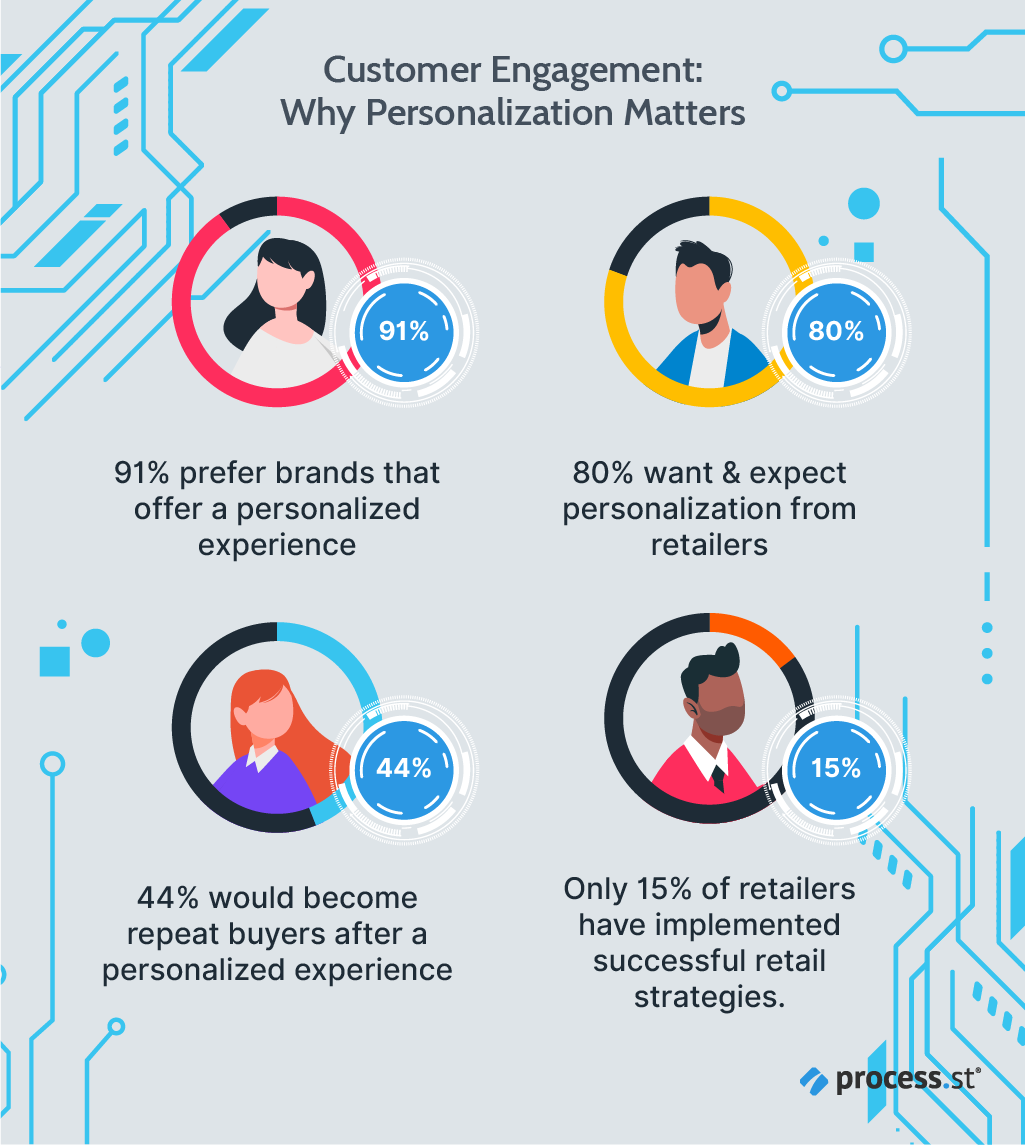
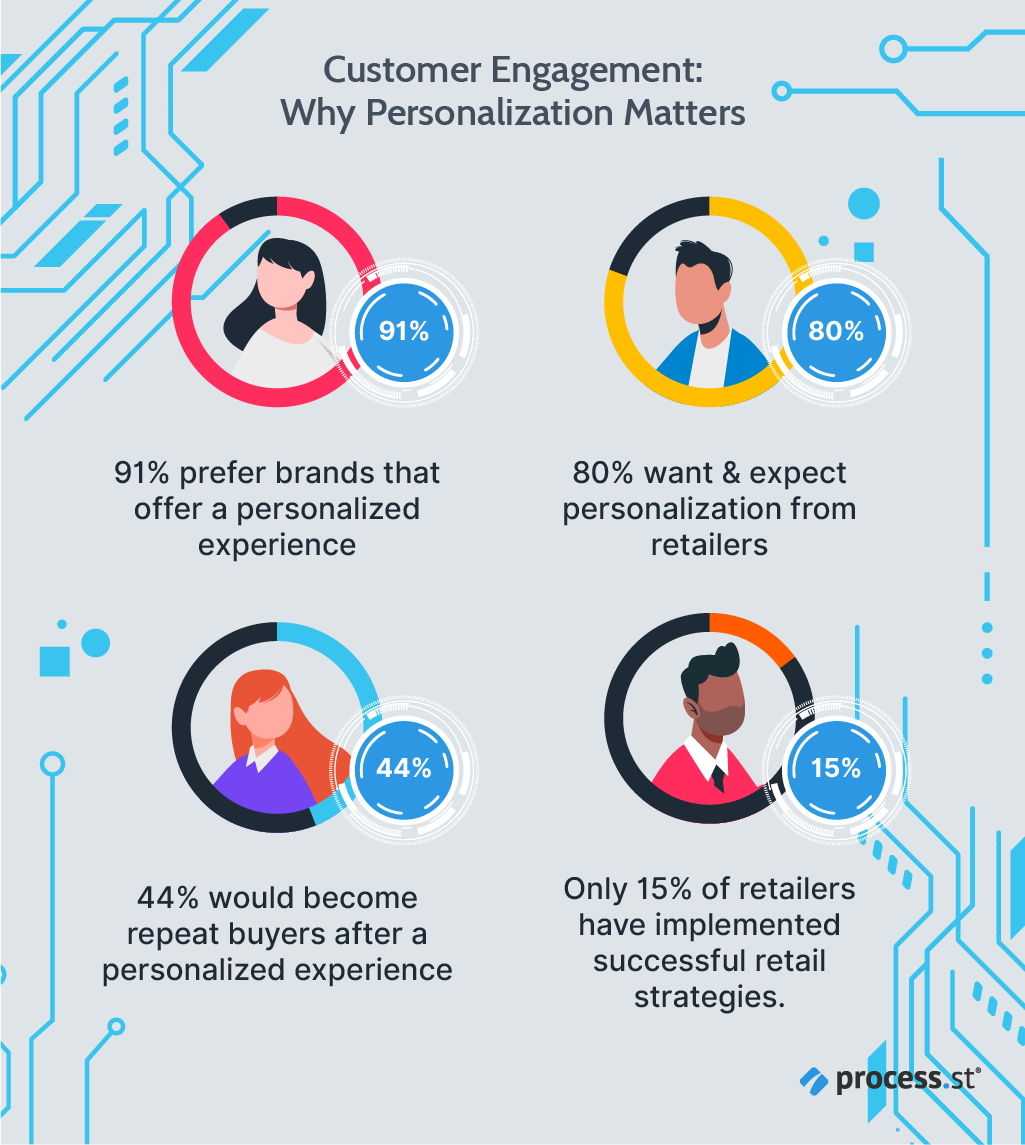
This understanding of sentiment and intent is the foundation for personalization. By knowing what a customer is feeling and what they are trying to achieve, businesses can deliver tailored experiences that increase engagement and build loyalty. For example, a customer expressing frustration with a product might be proactively offered a discount or a personalized support session.
- Address customer issues before they escalate by using proactive support alerts.
- Personalized Recommendations: Offer products or services that align with individual needs and preferences.
- Targeted Marketing Campaigns: Deliver messages that resonate with specific customer segments.
Predicting when customers might leave
Predictive churn modeling is a powerful application of AI in customer experience. CE 65 analyzes a wide range of factors – purchase history, website activity, support interactions, demographic data – to identify customers who are at risk of churning. We've found that factors like declining engagement, negative feedback, and increased support requests are strong indicators of potential churn.
The accuracy of our predictions is constantly improving as our models learn from new data. Clients have reported an 85% accuracy rate in identifying customers who are likely to churn within the next 30 days, allowing them to proactively intervene with targeted retention efforts. This isn't about spying on customers; it’s about identifying those who need a little extra attention.
Beyond churn, CE 65 can predict other key customer behaviors. We can identify customers who are likely to make a purchase, enabling businesses to focus their marketing efforts on the most promising leads. We can also anticipate support needs, allowing businesses to proactively offer assistance and reduce wait times. This is particularly valuable for complex products or services.
Importantly, CE 65 doesn't just provide predictions; it helps businesses act on them. The platform integrates with CRM and marketing automation systems to trigger automated responses, such as personalized email campaigns or proactive chat offers. This ensures that insights are translated into tangible results.
B2B vs. Retail: Different AI Approaches
The customer journey looks very different in B2B and retail contexts. Retail is often characterized by high transaction volumes and relatively short sales cycles. B2B, on the other hand, typically involves longer sales cycles, multiple stakeholders, and complex relationships. CE 65 recognizes these differences and adapts its AI models accordingly.
In B2B, our AI focuses on identifying key decision-makers, understanding the complex buying process, and predicting deal outcomes. We analyze interactions across multiple touchpoints – email, phone calls, website visits, social media – to build a comprehensive picture of each account. This allows businesses to prioritize their efforts and focus on the most promising opportunities.
For retail, the focus shifts to personalized recommendations, targeted marketing campaigns, and proactive customer support. Our AI analyzes individual customer behavior to identify patterns and preferences, enabling businesses to deliver tailored experiences that drive sales and build loyalty. The emphasis is on driving conversion rates and maximizing lifetime value.
Automation's Role: From Insight to Action
AI’s power is truly unlocked when combined with automation. CE 65 isn’t about simply providing insights; it’s about enabling businesses to take action on those insights. Our platform integrates seamlessly with a variety of third-party systems, including CRM platforms like Salesforce and marketing automation tools like Marketo.
This integration allows for automated responses to customer signals. For example, if a customer expresses negative sentiment on social media, CE 65 can automatically trigger a support ticket and alert a customer service representative. Or, if a customer abandons their shopping cart, CE 65 can automatically send a personalized email offering a discount.
Automation is for the boring stuff. If a bot handles a password reset, your team has time to actually talk to a frustrated client. It is a way to get the routine work out of the way so humans can handle the nuance.
- Automated Email Campaigns: Trigger personalized emails based on customer behavior and preferences.
- Start chat conversations automatically when a user shows signs of confusion on a checkout page.
- Automated Support Ticket Routing: Route support tickets to the appropriate agent based on the nature of the issue.
No comments yet. Be the first to share your thoughts!