

Voice is the new checkout
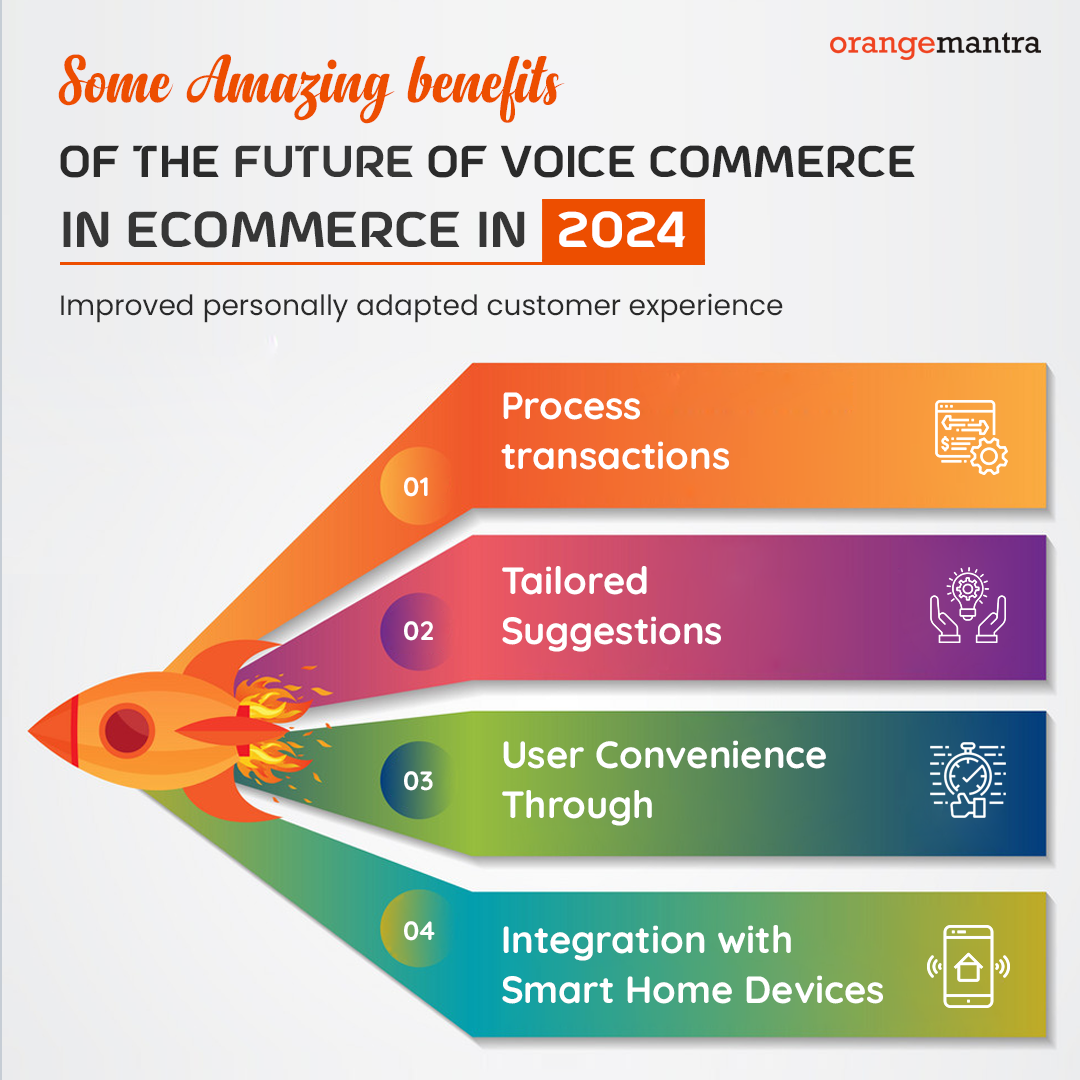
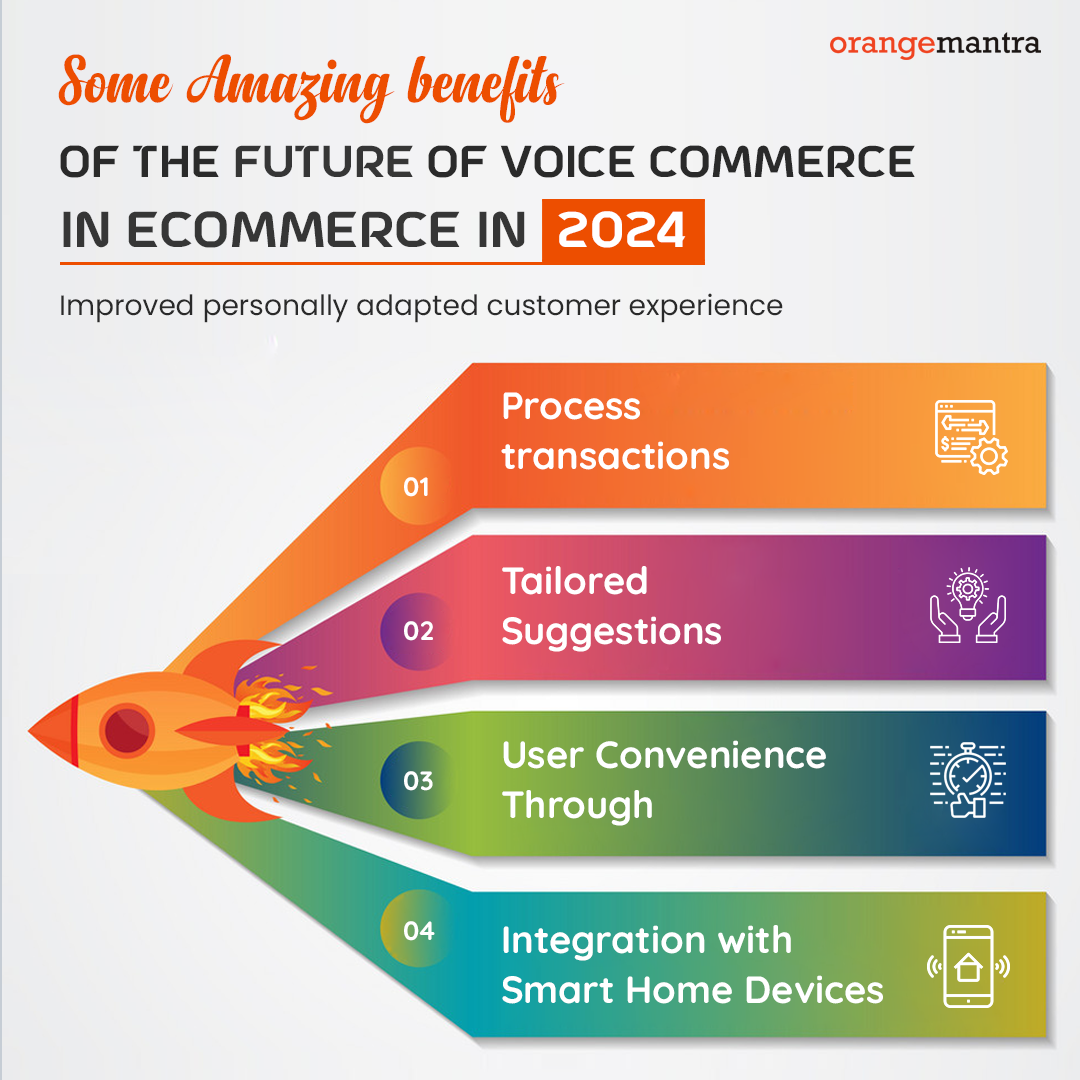
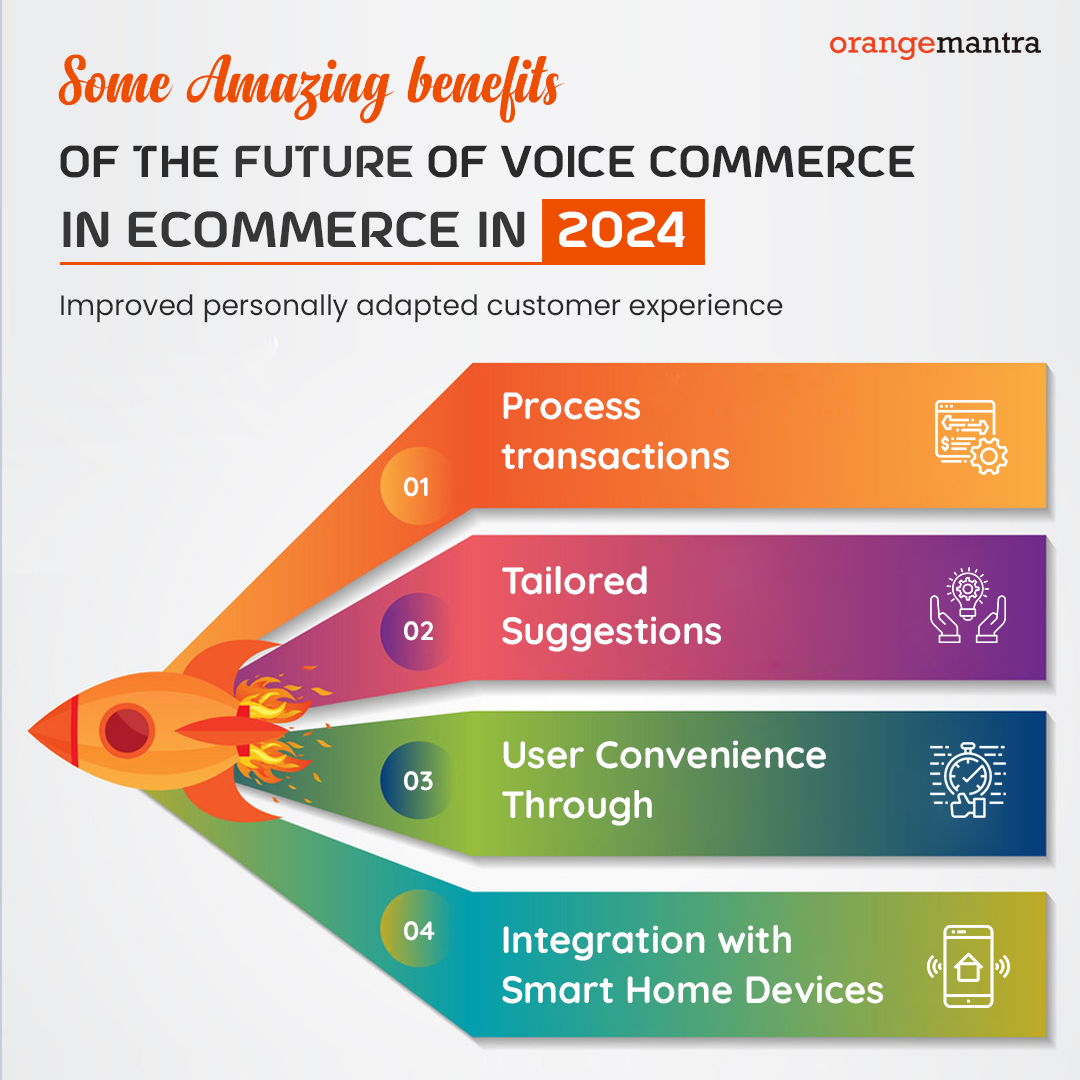
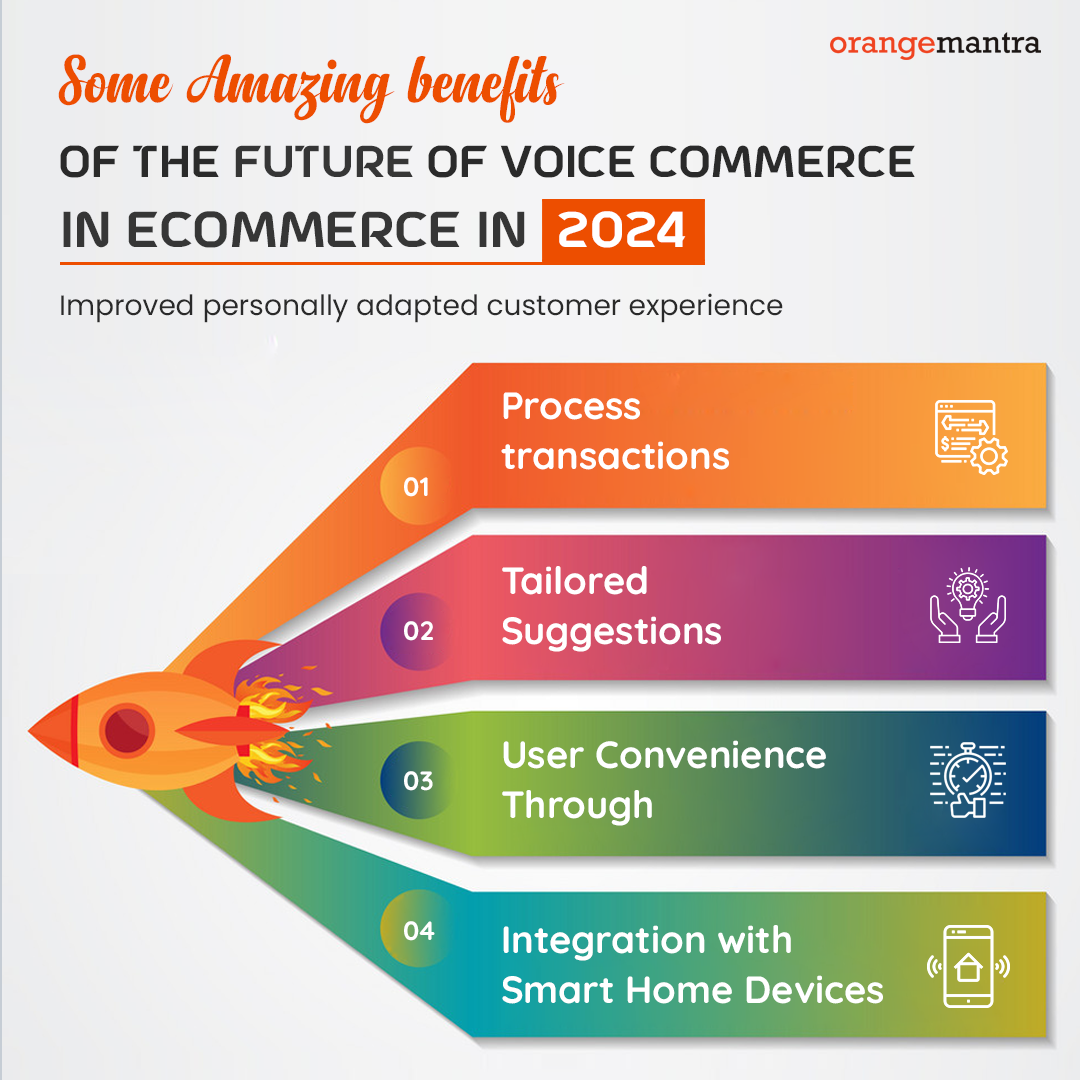
Voice commerce is growing fast. Twilio projects the market will hit $80 billion by 2026. This is more than a convenience play; it is a change in how people actually want to buy things.
Several factors are driving this expansion. The increasing adoption of smart speakers – Statista estimates over 60% of US households will have a smart speaker by 2025 – has made voice-first interaction commonplace. More importantly, advancements in voice recognition accuracy, powered by AI and machine learning, have made these interactions genuinely useful. Consumers are becoming more comfortable using voice for everyday tasks, and shopping is a natural extension of that.
This shift presents a challenge for businesses. Traditional Customer Experience Platforms (CXPs) are largely designed for visual interfaces, focusing on clicks, scrolls, and visual search. They weren't built to handle the nuances of spoken language or the conversational nature of voice commerce. That’s where a platform like CE 65 can help businesses adapt and thrive in this new era.
Where current platforms fail
Many existing CX platforms struggle with the unique demands of voice commerce. A core limitation is their reliance on keyword-based search. Voice interactions are rarely so precise. Customers use natural language, which is often ambiguous and context-dependent. Platforms optimized for typed queries often fail to understand the intent behind a spoken request, leading to frustrating experiences.
Consider a customer asking, “Find me a red dress.” A visual platform might present a list of all red dresses, regardless of style or size. A voice-first platform needs to understand if the customer is looking for a casual summer dress or a formal evening gown, and ideally, remember their past purchases to refine the search. Many platforms lack the ability to handle this level of contextual understanding.
Most platforms lack natural language understanding and tools to manage a conversation. They struggle to recover when they misunderstand a request. We built CE 65 to fix this by focusing on what a user actually intends to do rather than just the words they say.
- They don't understand natural speech patterns.
- Inability to manage conversational flow effectively
- Limited personalization based on voice interaction
- They get stuck when a request is unclear.
Focusing on intent over keywords
Intent recognition is the key to unlocking successful voice commerce. It goes beyond simply identifying keywords; it’s about understanding what the customer wants to achieve. Traditional keyword-based search treats “red dress” as a set of terms to match against product descriptions. Intent recognition, however, aims to determine the customer’s goal – are they browsing, comparing options, or ready to buy?
This requires sophisticated Natural Language Understanding (NLU) and Machine Learning (ML) algorithms. NLU breaks down the spoken language into its component parts, while ML learns from past interactions to improve accuracy over time. The goal is to accurately identify the customer’s intent, even if their phrasing is imperfect or contains slang or colloquialisms.
CE 65 leverages AI to continuously refine its intent recognition capabilities. The platform analyzes customer interactions, identifies patterns, and adjusts its models accordingly. This allows businesses to provide more relevant and personalized experiences, even as customer language evolves. We believe a platform’s ability to learn and adapt is paramount in the voice commerce space.
Mapping the conversation
Creating a positive voice commerce experience requires careful attention to conversational flow. Unlike a visual interface where users can easily scan and navigate, voice interactions are linear. A poorly designed conversation can quickly become frustrating. It’s essential to anticipate customer needs and provide clear, concise prompts.
Consider the scenario where a customer asks to “buy more laundry detergent.” A good voice experience will first confirm the product and quantity, then verify the shipping address and payment method. A bad experience might immediately start processing the order without confirmation, leading to errors and dissatisfaction. Effective error handling is also crucial. Instead of simply saying “I don’t understand,” the platform should offer helpful suggestions or rephrase the question.
Personalization plays a vital role. Knowing the customer’s past purchases, preferences, and location allows the platform to tailor the conversation and provide relevant recommendations. CE 65 offers tools for mapping out and optimizing voice journeys, allowing businesses to visualize the customer experience and identify areas for improvement. These tools help ensure a smooth, natural, and personalized interaction.
A step-by-step guide to designing a voice journey might look like this: 1) Define the customer’s goal. 2) Map out all possible conversation paths. 3) Write clear and concise prompts. 4) Implement robust error handling. 5) Personalize the experience based on customer data. 6) Test and iterate based on user feedback.
Voice for customer support
Voice commerce isn't limited to transactions. It’s also a powerful tool for customer support. Voice assistants can handle a wide range of inquiries, from checking order status to resolving billing issues, freeing up human agents to focus on more complex problems.
The benefits are significant. 24/7 availability ensures customers can get help whenever they need it, reducing wait times and improving satisfaction. Personalized assistance, based on the customer’s history and preferences, can resolve issues more efficiently. Voice support also offers a more human touch than traditional chatbots or email support.
CE 65 integrates voice support with existing CRM and help desk systems, providing a seamless experience for both customers and agents. This integration allows agents to access a complete view of the customer’s interaction history, enabling them to provide more informed and effective support.
Measuring what matters
Measuring the success of a voice commerce strategy requires a different approach than traditional web analytics. Metrics like bounce rate and page views are less relevant in a voice-first environment. Instead, businesses need to focus on metrics that reflect the quality of the conversation.
Key metrics to track include conversation completion rate (the percentage of conversations that achieve the customer’s goal), intent recognition accuracy (how often the platform correctly understands the customer’s intent), customer satisfaction (measured through post-interaction surveys), and sales conversion rate (the percentage of voice interactions that result in a purchase).
CE 65 tracks where customers get stuck. Our analytics show exactly where a conversation falls apart so you can fix the script. Instead of guessing, you can see which specific phrases lead to a sale and which ones make people hang up.
- Conversation Completion Rate
- Intent Recognition Accuracy
- Customer Satisfaction
- Sales Conversion Rate
Traditional CX Analytics vs. Voice CX Analytics: A Comparative Decision Matrix
| Metric Category | Traditional CX Analytics | Voice CX Analytics | Key Differences |
|---|---|---|---|
| Customer Effort | Primarily assessed through post-interaction surveys (CSAT, NPS) and website behavior analysis (time on page, clicks). | Evaluated by analyzing speech disfluencies (ums, ahs, pauses), conversation length, and number of re-prompts required to fulfill a request. | Voice analytics provide a more *direct* measure of effort, revealing friction points within the spoken interaction itself, beyond reported satisfaction. |
| Intent Understanding | Determined through website search queries, page views, and purchase history. Relies on explicit user actions. | Inferred from Natural Language Understanding (NLU) of spoken requests, identifying the user’s goal even with ambiguous phrasing. | Voice analytics focus on *implicit* intent, deciphering what the customer *means* rather than what they *do* on a screen. |
| Emotional State | Often measured indirectly through sentiment analysis of text-based feedback (reviews, chat logs). | Directly assessed through speech analytics, analyzing tone, pitch, and vocal stress to identify emotions like frustration, excitement, or confusion. | Voice analytics offer a richer, more nuanced understanding of customer emotion in real-time, providing immediate context. |
| Channel Analysis | Focuses on performance across web, email, and mobile channels, tracking conversion rates and user journeys. | Extends channel analysis to include voice assistants, smart speakers, and IVR systems, tracking voice-based task completion rates and drop-off points. | Voice analytics add a new, rapidly growing channel to the CX landscape, requiring dedicated tracking and optimization strategies. |
| Data Sources | Website analytics, CRM data, survey responses, social media monitoring, chat logs. | Speech recordings, transcripts, voice assistant logs, IVR data, smart speaker interactions. | Voice analytics introduce a new primary data source – the audio of the customer interaction – requiring specialized processing and analysis techniques. |
| Insight Generation | Identifies trends in customer behavior, pain points in the user journey, and areas for website/app improvement. | Reveals opportunities to improve voice interface design, NLU accuracy, and conversational flow. Highlights areas where voice interactions are failing to meet customer needs. | Voice analytics provide insights specific to the *spoken* customer experience, uncovering issues that traditional methods may miss. |
Illustrative comparison based on the article research brief. Verify current pricing, limits, and product details in the official docs before relying on it.

No comments yet. Be the first to share your thoughts!