

The shift to a voice-first economy
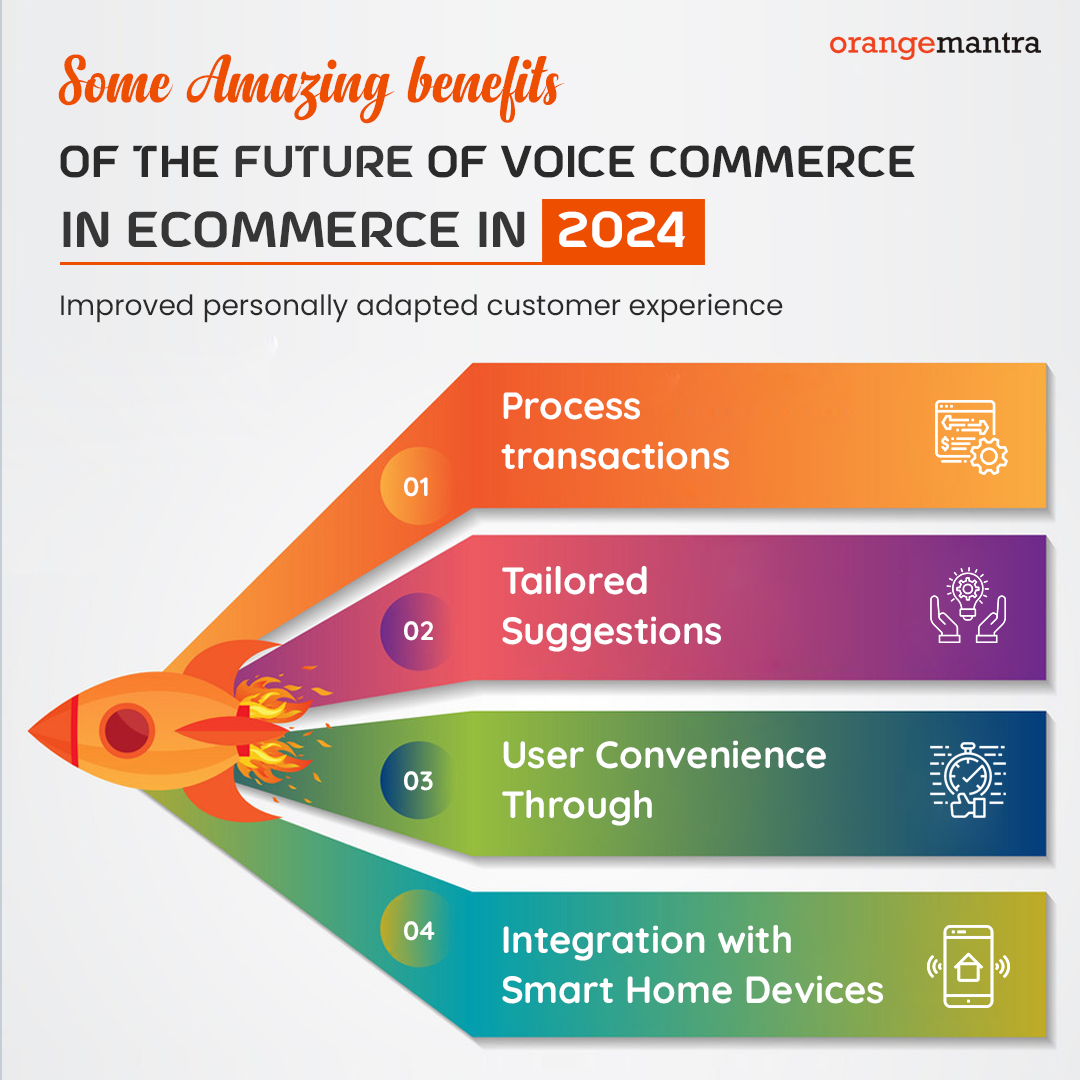
People are changing how they shop because they're getting used to talking to their devices. It's common now to see someone order groceries through a smart speaker or ask their car to find a product while driving. This move toward a voice-first economy is happening fast.
The numbers support this trend. Twilio projects significant growth in voice commerce, estimating a substantial market size by 2026. While exact figures fluctuate depending on the report, the consensus is that voice commerce will represent a significant portion of overall e-commerce spending. This isn't just about simple orders, either. People are using voice to research products, compare prices, and even request personalized recommendations.
This shift presents both opportunities and challenges for businesses. Those who adapt quickly and prioritize voice-first experiences will be well-positioned to capture a larger share of the market. However, simply adding a voice interface isn’t enough. It requires a comprehensive strategy that considers the unique aspects of voice interaction and the need for seamless integration with existing channels. That's where platforms like CE 65 come into play, offering the tools needed to navigate this evolving landscape and deliver truly enhanced customer experience.
How conversational AI actually works
Conversational AI is the engine powering this voice revolution. It’s evolved considerably from the rudimentary chatbots of a few years ago. Early chatbots relied on pre-programmed responses and keyword matching, often leading to frustrating user experiences. Today’s conversational AI leverages advancements in Natural Language Understanding (NLU) and Natural Language Generation (NLG) to understand the intent behind customer queries and respond in a more human-like way.
This evolution is transforming customer interactions across all touchpoints. Instead of navigating complex menus or waiting on hold, customers can simply ask a question and receive an immediate, personalized response. Conversational AI isn’t just about resolving issues; it’s about proactively engaging customers, providing helpful information, and guiding them through the sales funnel. It’s about making every interaction feel more natural and intuitive.
The impact is felt throughout the customer journey. From initial product discovery to post-purchase support, conversational AI can streamline processes, reduce friction, and improve overall satisfaction. It allows businesses to scale their customer service operations without sacrificing quality. It's a powerful tool when implemented thoughtfully and with a focus on understanding the nuances of human language.
How CE 65 handles voice interactions
CE 65 is designed to help businesses capitalize on the voice-first economy. We don’t just offer a collection of tools; we provide a comprehensive platform that supports the entire lifecycle of voice interactions. This begins with accurate intent recognition – understanding exactly what the customer is asking for – and extends to seamless fulfillment, ensuring a smooth and efficient transaction.
A key strength of CE 65 is its integration with major voice assistants like Amazon Alexa, Google Assistant, and Siri. This allows businesses to reach customers on the devices they already use. Our platform also offers omnichannel support, meaning that voice interactions can be seamlessly integrated with other channels like chat, email, and phone. This creates a consistent and unified customer experience, regardless of how the customer chooses to interact.
What sets CE 65 apart is our focus on scalability and flexibility. We understand that every business is different, and our platform can be customized to meet specific needs. Unlike some competitors who offer limited functionality or require extensive coding, CE 65 provides a user-friendly interface and a robust set of APIs that allow businesses to quickly and easily deploy voice commerce solutions. We really aim to make it simple to build and maintain great experiences.
Tracking what matters
Implementing voice commerce is only the first step. Businesses need to understand how well their voice experiences are performing. CE 65 provides a suite of powerful analytics tools designed to measure the effectiveness of voice initiatives. We move beyond simple metrics to provide actionable insights that drive optimization.
Key metrics tracked by CE 65 include conversation completion rate – the percentage of interactions that result in a successful outcome – customer satisfaction (CSAT), average handle time, and intent recognition accuracy. These metrics provide a holistic view of the voice experience, highlighting areas for improvement. For example, a low intent recognition accuracy might indicate the need to refine the NLU model.
CE 65’s AI-Powered Customer Experience Analytics capabilities are central to this process. These analytics aren't just about reporting numbers; they are about identifying patterns, uncovering hidden insights, and ultimately, improving ROI. By analyzing voice interactions, businesses can identify pain points, optimize workflows, and personalize experiences to drive customer engagement and loyalty.
Voice Commerce Analytics Approaches: A Comparative Decision Matrix
| Analytics Approach | Cost | Complexity | Insight Generation | Actionability |
|---|---|---|---|---|
| Basic Reporting | Low | Low | Descriptive – Provides counts of voice interactions, completion rates, and common keywords. | Limited – Primarily identifies *what* happened, not *why* or *how* to improve. |
| Descriptive Analytics | Moderate | Moderate | Provides historical trends and summaries of voice data. Can segment interactions by demographics or product categories. | Moderate – Offers some understanding of patterns, but limited predictive power. |
| Predictive Analytics | High | High | Utilizes machine learning to forecast future voice commerce behavior, such as peak call times or likely purchase intent. | Significant – Enables proactive adjustments to staffing, inventory, and marketing based on anticipated demand. |
| Prescriptive Analytics | Very High | Very High | Recommends specific actions to optimize voice commerce experiences, such as personalized offers or automated responses to common queries. | Highest – Directly informs strategies for improving conversion rates, customer satisfaction, and operational efficiency. |
| CE 65’s Approach | Competitive | Moderate to High | Combines descriptive, predictive, and elements of prescriptive analytics through AI-powered customer experience analytics. Focuses on understanding the ‘why’ behind voice interactions. | High – Identifies opportunities for optimization and supports data-driven decision-making across the customer journey. Facilitates personalized experiences and proactive issue resolution. |
Illustrative comparison based on the article research brief. Verify current pricing, limits, and product details in the official docs before relying on it.
Automation: Streamlining Voice Interactions
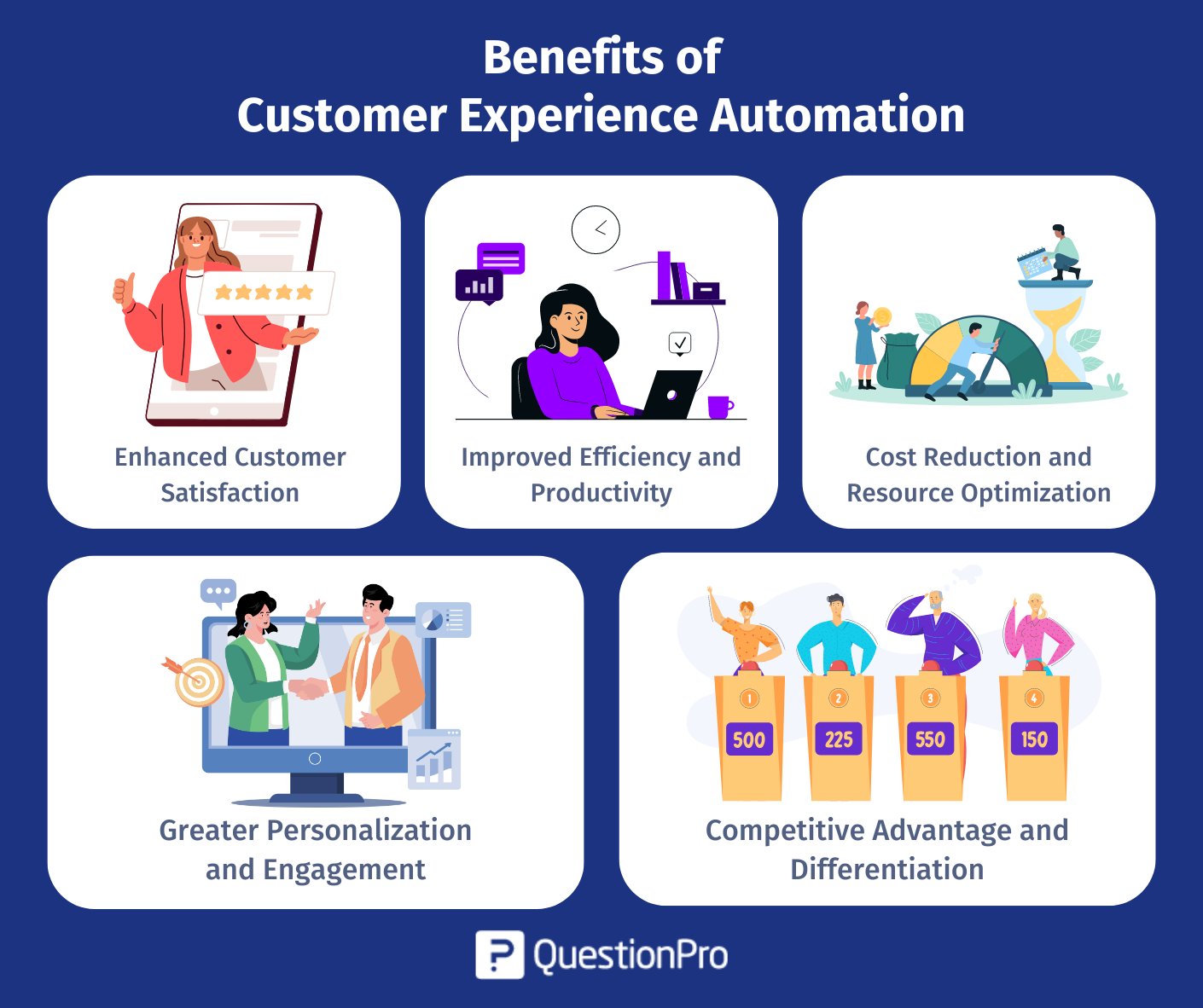
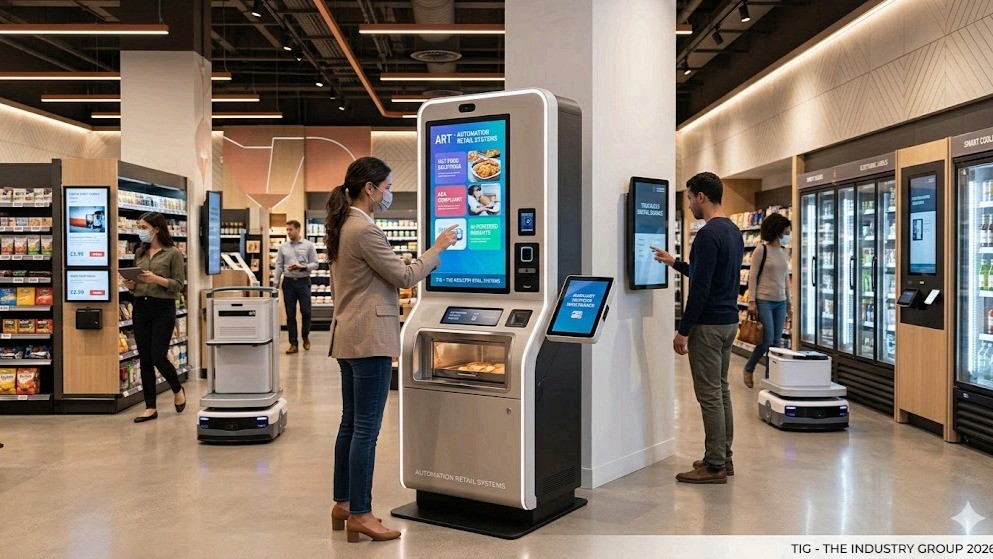
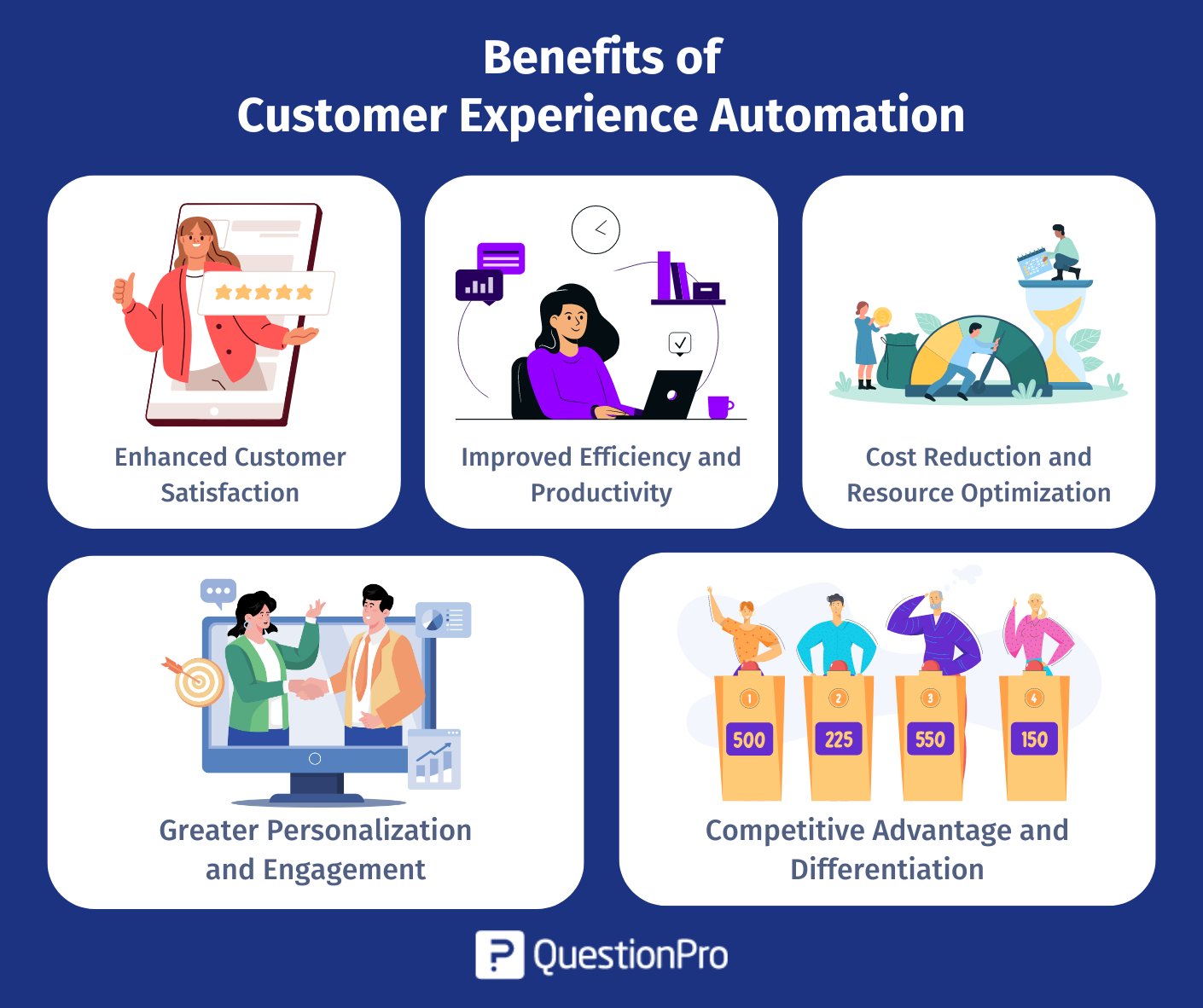
Automation is critical for scaling voice commerce operations and reducing costs. CE 65 offers a range of automation features designed to streamline voice interactions and free up human agents for more complex tasks. This isn’t about replacing human interaction entirely; it’s about augmenting it with automation to improve efficiency and customer satisfaction.
Our platform supports automated intent routing, ensuring that customer queries are directed to the appropriate resource. We also provide self-service options, allowing customers to resolve common issues without the need for human assistance. Proactive customer support is another key feature, enabling businesses to anticipate customer needs and provide assistance before it’s even requested.
Consider a scenario where a customer calls to check the status of their order. With CE 65, this request can be handled entirely by an automated system, providing the customer with real-time information without requiring a human agent. This frees up agents to focus on more complex issues, such as resolving complaints or providing personalized recommendations.
Optimization: Personalizing the Voice Experience
Voice commerce works best when it knows who is talking. CE 65 uses customer data to make interactions feel specific. If a regular customer asks for their 'usual' order, the system should know what that is without asking for a product ID.
Our platform supports dynamic content delivery, tailoring responses based on customer demographics, purchase history, and other relevant data. Personalized recommendations can be offered based on past purchases or browsing behavior. Targeted offers and promotions can be delivered directly to customers via voice, increasing the likelihood of conversion. CE 65 transforms retail data into actionable insights to power this personalization.
A/B testing is also a crucial component of our optimization strategy. Businesses can use A/B testing to compare different voice interactions and identify which ones perform best. This iterative process allows for continuous improvement and ensures that voice experiences are constantly evolving to meet customer needs. It's a data-driven approach to creating voice experiences that truly resonate.
Real-World Applications: B2B and Retail Successes
The benefits of CE 65 are best illustrated through real-world examples. A major retail client, a national hardware chain, used our platform to implement a voice-enabled ordering system. They were struggling with long wait times during peak hours and needed a way to improve customer service. By integrating CE 65 with their existing e-commerce platform, they were able to allow customers to place orders via voice, reducing wait times by 30% and increasing sales by 15%.
In the B2B space, a leading industrial supplier faced challenges with complex order processes and a high volume of customer inquiries. They implemented CE 65 to automate routine tasks, such as checking order status and requesting quotes. This freed up their sales team to focus on more strategic activities, resulting in a 20% increase in lead generation and a significant improvement in customer satisfaction. They were able to provide 24/7 support without increasing headcount.
Another success story comes from a regional grocery chain that used CE 65 to create a personalized shopping experience. By integrating voice commerce with their loyalty program, they were able to offer targeted promotions and recommendations based on customer preferences. This resulted in a 10% increase in average order value and a noticeable improvement in customer loyalty. These are just a few examples of how CE 65 is helping businesses transform their customer experiences.

No comments yet. Be the first to share your thoughts!