

Retail’s Automation Inflection Point
Retail is changing. Customers used to want brands everywhere they shopped. Now, they expect smooth, personal experiences that feel connected. This is no longer optional; it's expected. Automation is the only way to deliver this at scale.
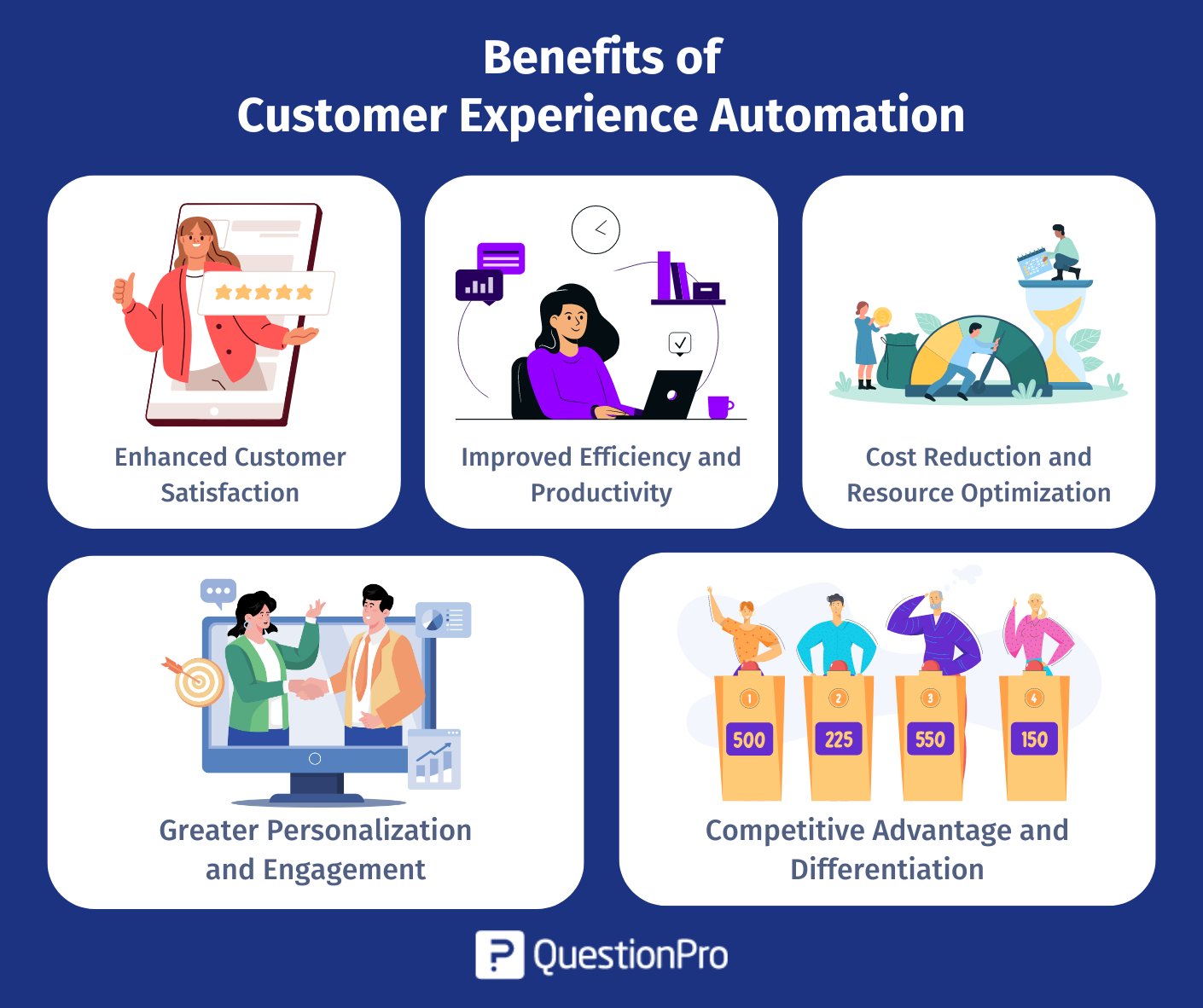
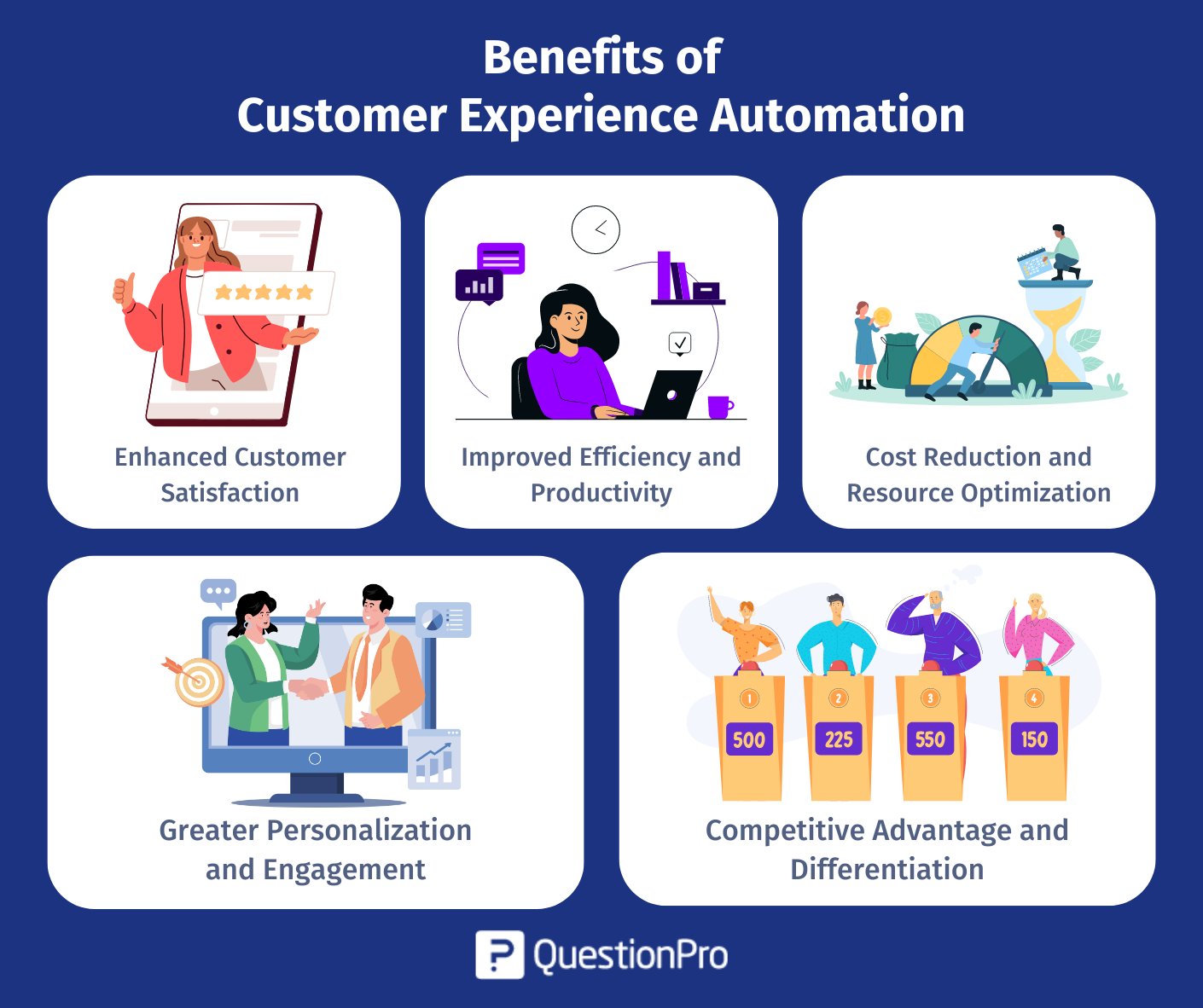
Customer experience is now a main driver of revenue and loyalty. But providing great experiences takes a lot of work. Automation helps staff focus on building relationships and solving tough problems, rather than routine tasks.
Economic pressures also push retailers toward automation. With more competition and smaller profit margins, businesses must operate more efficiently. Automating tasks, improving processes, and personalizing interactions save money and boost profits. It means doing more with less, and doing it well.
Customers are impatient. They expect quick responses, personal offers, and easy interactions. If you don't deliver, they'll go elsewhere. Automation helps meet these expectations and stay competitive.
Mapping the Automation Opportunity
Automation in retail is broad, affecting almost every part of the customer journey. Here are key areas where it adds value.
In customer service, chatbots and automated emails can handle many routine questions. This lets human agents focus on complex issues, like a complaint about a damaged product, while a chatbot handles order status or return policies.
Marketing also benefits from automation. Personal offers, emails triggered by customer behavior, and dynamic website content improve engagement and sales. For example, an automated email with a small discount can recover an abandoned shopping cart.
The supply chain sees major gains from automation. Inventory management, predictive ordering, and automated warehouses cut costs, prevent stockouts, and speed up deliveries. Using past data and machine learning, retailers can predict demand and stock the right products where needed.
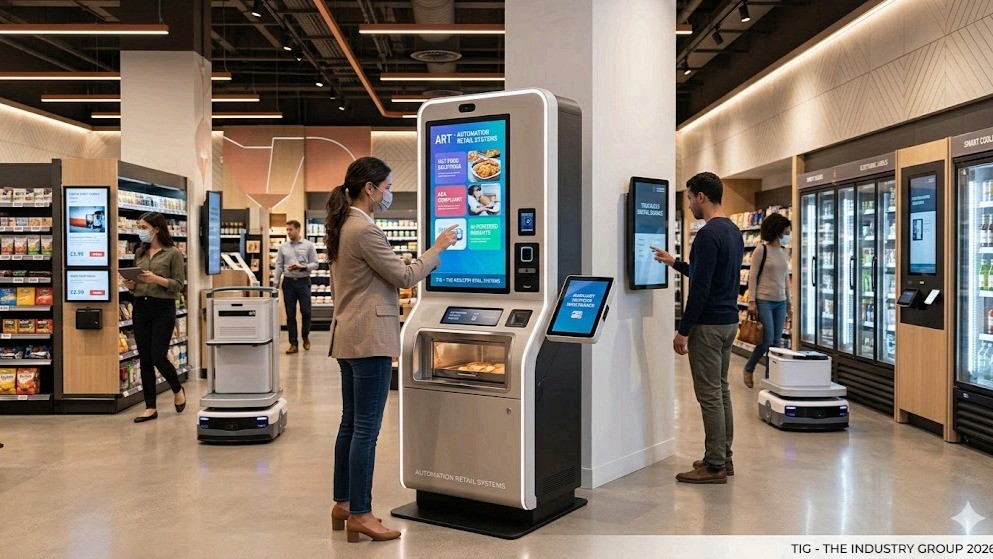
The in-store experience can also be automated. Smart mirrors for virtual try-ons, automated checkouts, and personalized offers based on loyalty data make shopping more engaging and efficient. These technologies are becoming more affordable.
- Customer Service: Chatbots, automated email responses, self-service portals.
- Marketing: Personalized offers, triggered campaigns, dynamic website content.
- Supply Chain: Inventory optimization, predictive ordering, automated warehouse management.
- In-Store Experience: Smart mirrors, automated checkout, personalized in-store offers.
Retail Function Automation: ROI, Complexity & Data Requirements
| Retail Function | Potential ROI | Implementation Complexity | Data Requirements |
|---|---|---|---|
| Customer Service (e.g., Chatbots, Automated Email Responses) | High | Medium | High |
| Personalized Marketing (e.g., Targeted Offers, Dynamic Content) | High | Medium | High |
| Inventory Management & Replenishment | Medium | Medium | Medium |
| In-Store Experience (e.g., Automated Kiosks, Personalized Recommendations) | Medium | High | Medium |
| Order Fulfillment & Shipping Notifications | Medium | Low | Medium |
| Returns & Exchange Processing | Medium | Medium | Medium |
| Loyalty Program Management | High | Medium | Medium |
Illustrative comparison based on the article research brief. Verify current pricing, limits, and product details in the official docs before relying on it.
Personalization at Scale: The Data Foundation
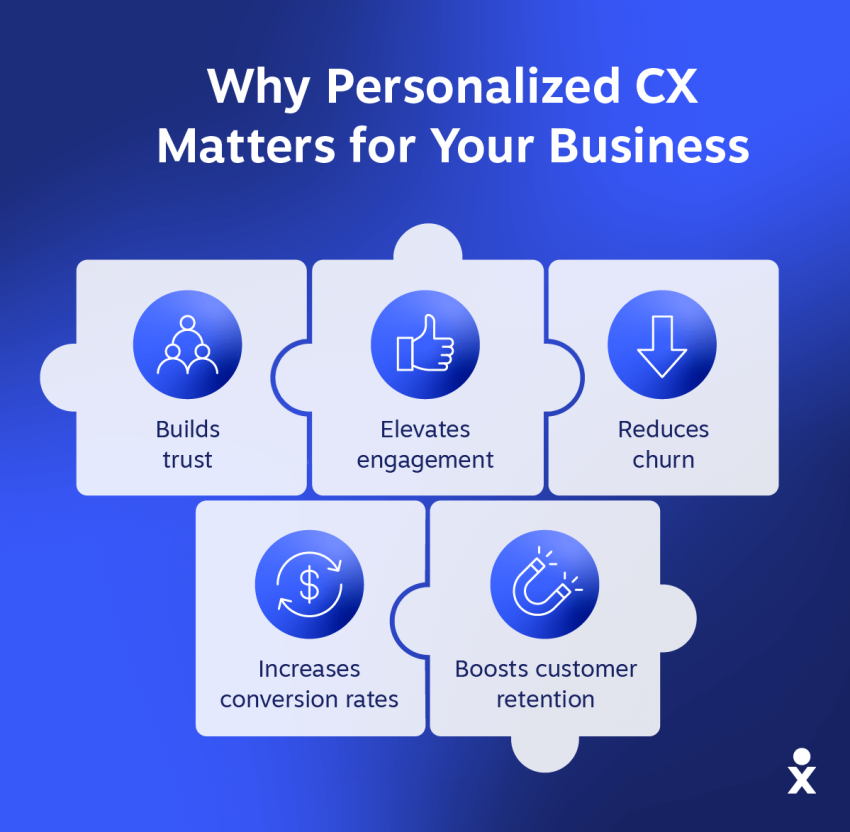
Good customer experience automation needs unified, accurate, and accessible customer data. A Customer Data Platform (CDP) is key here. Without one, data stays in separate systems, making personalization hard.
Data silos create problems. Marketing may see a customer one way (email interactions), sales another (purchase history), and service yet another (support tickets). A CDP breaks down these silos into one complete customer profile, which is the basis for automation.
You need behavioral data (website/app activity), demographic data (age, location, income), and transactional data (purchase history). Psychographic data (values, interests) is also useful. Collecting and using this data responsibly is critical, and compliance with GDPR and CCPA is required.
Bad data quality ruins automation. Inaccurate or old data leads to irrelevant personalization, frustrated customers, and wasted money. Cleaning and validating data is as important as buying automation tools. As the saying goes, garbage in, garbage out.
AI Analytics: Predicting Customer Needs
Automation should anticipate customer needs, not just react to behavior. AI-powered analytics makes this possible. By analyzing large amounts of data, AI can find patterns and predict future behavior accurately.
Predictive modeling is a core function. AI can spot customers likely to leave, letting you reach out with offers or support. It can also predict future purchases, helping you make relevant recommendations.
CE 65’s analytics transform business intelligence. We give retailers insights that drive results. Our platform offers predictive analytics to help you understand customer behavior.
These insights increase customer lifetime value, lower marketing costs, and improve satisfaction. AI analytics augment human intuition with data-driven insights for better decisions.
- Churn Prediction: Identify customers at risk of leaving.
- Next Best Action: Determine the most effective offer or communication for each customer.
- Personalized Recommendations: Suggest products or services based on individual preferences.
AI-Powered CX Automation Examples
- Personalized Product Recommendations - Leveraging AI to analyze past purchases, browsing history, and real-time behavior to suggest relevant products, increasing add-to-cart rates and average order value. Retailers like Amazon have long utilized this, and advancements allow for even more granular personalization.
- Dynamic Pricing Adjustments - Employing machine learning algorithms to adjust prices based on demand, competitor pricing, seasonality, and inventory levels. This maximizes revenue and ensures competitive positioning. Tools like Revionics offer solutions in this area.
- AI-Driven Chatbots for Customer Service - Implementing AI-powered chatbots to handle frequently asked questions, provide order updates, and resolve simple issues, freeing up human agents for more complex inquiries. Platforms like Ada and Zendesk offer chatbot functionalities.
- Predictive Inventory Management - Utilizing AI to forecast demand accurately, optimizing inventory levels and reducing stockouts or overstocking. Blue Yonder is a provider of such solutions.
- Fraud Detection and Prevention - Applying machine learning to identify and prevent fraudulent transactions in real-time, protecting both the business and its customers. Companies like Signifyd specialize in e-commerce fraud protection.
- Automated Marketing Campaigns - Using AI to segment customers and deliver targeted marketing messages via email, SMS, or push notifications, improving engagement and conversion rates. Salesforce Marketing Cloud provides AI-powered marketing automation features.
- Visual Search Capabilities - Enabling customers to search for products using images instead of keywords, improving product discovery and the overall shopping experience. Google Lens and Pinterest Lens offer visual search technology that retailers can integrate.
Automation Tools & Integration
undefined weaknesses. Marketing automation platforms like HubSpot and Marketo help automate email campaigns, social media posting, and lead nurturing. Chatbots, powered by platforms like Dialogflow and Amazon Lex, provide instant customer support.
Robotic Process Automation (RPA) is another powerful tool, automating repetitive tasks like data entry and invoice processing. However, the key to success isn’t just choosing the right tools; it’s integrating them effectively with your existing systems.
Integration with your CRM (Salesforce, Microsoft Dynamics), ERP (SAP, Oracle), and POS systems is crucial. A flexible, API-first architecture makes integration much easier. Without seamless integration, data will remain siloed, and the benefits of automation will be limited.
For retailers without extensive development resources, low-code/no-code automation options are becoming increasingly popular. Platforms like Zapier and Integromat allow you to connect different applications and automate workflows without writing a single line of code. This empowers business users to take control of automation without relying on IT.
Real-World Automation: Case Studies
Let’s look at some examples of retailers successfully utilizing customer experience automation. Sephora, a B2C beauty retailer, leverages AI-powered chatbots to provide personalized product recommendations and beauty advice. This has resulted in a 15% increase in online sales and a significant reduction in customer service inquiries.
In the B2B space, Grainger, a leading industrial supplier, implemented automated email campaigns triggered by customer behavior. They send personalized offers and product recommendations based on a customer’s past purchases and browsing history. This has led to a 10% increase in average order value.
A smaller retailer, Warby Parker, uses automation to streamline its home try-on program. Customers can select five frames to try on at home, and Warby Parker automates the shipping, tracking, and return process. This has significantly improved customer satisfaction and reduced operational costs. These examples show that automation is scalable and beneficial for businesses of any size.
- Sephora: AI-powered chatbots for personalized recommendations (15% increase in online sales).
- Grainger: Automated email campaigns based on customer behavior (10% increase in average order value).
- Warby Parker: Streamlined home try-on program with automated shipping and returns (increased customer satisfaction).
Avoiding Automation Pitfalls
Implementing automation isn’t without its challenges. One common mistake is over-automation – removing the human touch entirely. Customers still value personal interaction, especially when dealing with complex issues. It’s important to strike a balance between automation and human support.
Poor data quality, as previously discussed, is another major pitfall. Inaccurate or incomplete data will lead to irrelevant personalization and frustrated customers. Investing in data cleansing and validation is essential. A lack of integration between automation tools and existing systems can also hinder success.
Neglecting customer feedback is a critical error. Automation should be continuously monitored and optimized based on customer responses. Regularly solicit feedback through surveys, reviews, and social media monitoring. Automation isn’t a "set it and forget it" solution; it requires ongoing attention and refinement.
Finally, remember that automation is a tool, not a strategy. It should support your overall customer experience strategy, not drive it. Always prioritize the customer’s needs and ensure that automation enhances, rather than detracts from, their experience.
- Over-automation: Maintaining a balance between automation and human support.
- Poor Data Quality: Investing in data cleansing and validation.
- Lack of Integration: Ensuring seamless data flow between systems.
- Neglecting Customer Feedback: Continuously monitoring and optimizing automation.
The 2026 Outlook: What’s Next?
Looking ahead to 2026, customer experience automation will only become more sophisticated and pervasive. Hyper-personalization – tailoring experiences to individual customers in real-time – will be the norm. Emerging technologies like the metaverse will create new opportunities for immersive and engaging customer experiences.
Generative AI, like the models powering tools such as ChatGPT, will play an increasingly important role in automating content creation, personalizing interactions, and providing more intelligent customer support. However, ethical considerations and data privacy will remain paramount. Retailers will need to be transparent about how they are using AI and ensure they are protecting customer data.
The key to success in the future will be adaptability. Retailers need to be willing to experiment with new technologies and constantly refine their automation strategies based on customer feedback and market trends. A customer-centric approach will remain the most important factor in driving long-term success.
No comments yet. Be the first to share your thoughts!