

Moving past basic efficiency
Retail is undergoing a fundamental shift. It’s no longer enough to simply offer products; customers expect experiences. They want to feel understood, valued, and connected to the brands they choose. This isn't just about faster checkout lines or more convenient delivery, though those things matter. It's about building lasting relationships based on trust and genuine understanding.
Customers increasingly compare their interactions with retailers to the best experiences they have anywhere – from streaming services to social media. They expect personalization, seamlessness, and proactive support. Meeting these expectations requires a new approach, one that goes beyond traditional efficiency metrics and focuses on the entire customer journey.
Automation is enabling this transformation. It’s not about replacing human interaction, but about augmenting it. By automating repetitive tasks and streamlining processes, retailers can free up their employees to focus on what they do best: providing exceptional service and building meaningful connections with customers.
2026 is when the gap between automated and manual retail becomes too wide to ignore. If you aren't using these tools to handle the grunt work, your staff won't have the time to actually talk to customers.
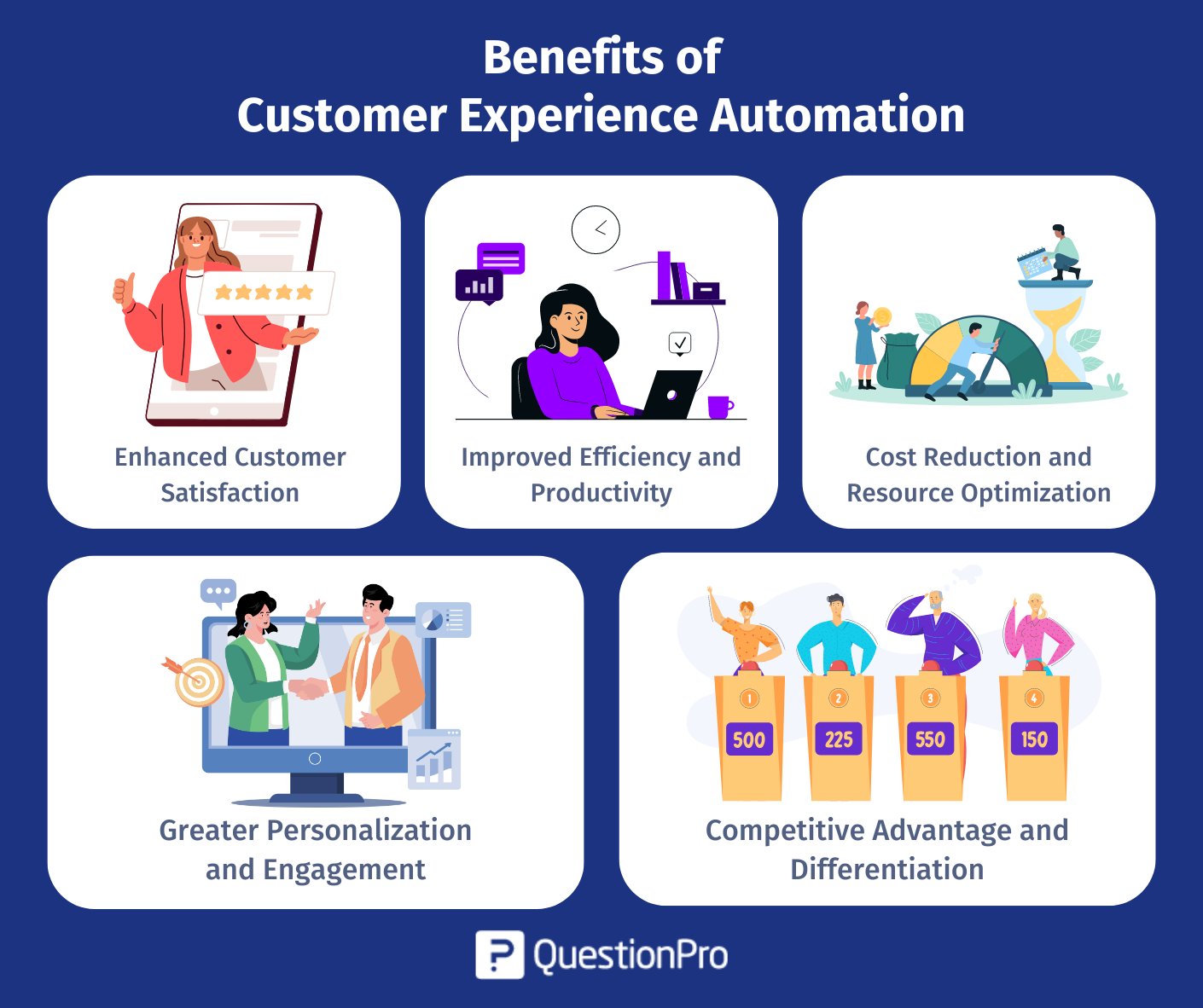
Automating the customer journey
The customer journey can be broken down into several key stages: awareness, consideration, purchase, and post-purchase. Each stage presents opportunities for automation that can enhance the experience and drive conversions. Identifying these touchpoints is the first step toward building an automated customer journey.
During the awareness stage, retailers can leverage automated social media campaigns and personalized content recommendations to attract potential customers. In the consideration phase, chatbots can provide instant answers to frequently asked questions, and automated email sequences can nurture leads with relevant information. CE 65 allows for dynamic content adjustments based on user behavior at this stage.
At the point of purchase, automation can streamline the checkout process, offer personalized discounts, and provide proactive order updates. Post-purchase, automated follow-up emails can request feedback, offer support, and promote relevant products. For example, a customer who buys running shoes could receive automated recommendations for socks, apparel, or training plans.
Orchestration is crucial. Automation shouldn’t feel disjointed or robotic. All automated touchpoints must work together seamlessly to create a cohesive and personalized experience. CE 65’s journey orchestration tools help ensure that customers receive the right message, at the right time, through the right channel.
- Awareness: personalized ads and content
- Consideration: Chatbots, email nurturing
- Purchase: Streamlined checkout, order updates
- Post-Purchase: Feedback requests, product recommendations
The data behind personalization
Effective retail customer experience automation hinges on data. Not just having data, but having the right data, and being able to use it effectively. First-party data – information collected directly from customers – is particularly valuable because it’s more accurate and reliable than third-party data.
Data unification is essential. Customer data is often siloed across different systems – CRM, POS, marketing automation – making it difficult to get a holistic view of each customer. A Customer Data Platform (CDP) can help break down these silos and create a single, unified customer profile. CE 65 integrates with a wide range of data sources, including Salesforce, Adobe Experience Cloud, and various e-commerce platforms.
Privacy rules like GDPR and CCPA are non-negotiable. CE 65 has built-in consent management to keep you from getting fined, though you still need to keep an eye on changing local laws.
One of the biggest challenges is overcoming data silos. Often, different departments within a retail organization operate independently, leading to fragmented data and inconsistent customer experiences. Breaking down these silos requires a cultural shift, as well as the right technology.
What CE 65 actually does
CE 65’s platform provides a comprehensive set of automation features designed to address the specific challenges of retail. At its heart is journey orchestration, which allows retailers to design and automate personalized customer journeys across multiple channels.
AI-powered recommendations are another key capability. CE 65 uses machine learning algorithms to analyze customer behavior and predict which products they’re most likely to be interested in. A clothing retailer, for example, might use CE 65 to send personalized style recommendations based on a customer’s past purchases and browsing history.
Predictive analytics help retailers anticipate customer needs and proactively address potential issues. A grocery store could use CE 65 to optimize inventory levels based on predicted demand, reducing waste and ensuring that popular items are always in stock. This goes beyond simple sales forecasting.
Real-time personalization allows retailers to deliver tailored experiences in the moment. For instance, a customer browsing a website might see personalized product recommendations or special offers based on their current behavior. CE 65 delivers this through its API, allowing for integration into existing storefronts.
Consider a scenario where a customer abandons a shopping cart. CE 65 can automatically trigger a personalized email reminding them of the items they left behind, potentially with a small discount to encourage completion of the purchase. These aren’t just automated emails; they are dynamically adjusted based on the customer's profile and behavior.
- Journey Orchestration
- AI-Powered Recommendations
- Predictive Analytics
- Real-Time Personalization
Advanced tactics for 2026
Once the core automation capabilities are in place, retailers can explore more sophisticated tactics. Dynamic pricing adjusts prices in real-time based on demand, competitor pricing, and other factors. This requires careful monitoring and analysis, but can significantly increase revenue.
Automated loyalty programs reward customers for their continued business, fostering loyalty and encouraging repeat purchases. CE 65 allows retailers to create tiered loyalty programs with personalized rewards and benefits. It’s about recognizing and appreciating customer value.
AI-powered customer service agents can handle routine inquiries, freeing up human agents to focus on more complex issues. These agents can be integrated into chatbots, messaging apps, and other customer service channels. However, it's important to remember that AI isn’t a replacement for human empathy.
A/B testing is essential for continuous optimization. By testing different automation strategies and measuring their impact, retailers can identify what works best and refine their approach. Machine learning plays a role here, by identifying patterns and suggesting improvements. It’s a continuous cycle of testing and refinement.
How automation affects your staff
A common concern about automation is that it will lead to job losses. However, the reality is that automation is more likely to transform jobs than eliminate them. By automating repetitive tasks, retailers can free up their employees to focus on higher-value activities.
These activities include building relationships with customers, providing exceptional service, and solving complex problems. Automation can empower retail employees to be more creative, strategic, and customer-focused. It allows them to leverage their uniquely human skills.
To successfully implement an automation strategy, retailers need to invest in training and upskilling their employees. This includes teaching them how to use the new tools and technologies, as well as developing their soft skills, such as communication and problem-solving.
A successful automation strategy requires a strong human-machine partnership. Automation should be seen as a tool to augment human capabilities, not replace them. The most effective retailers will be those who can seamlessly blend technology with human empathy.
Success Stories: Retailers Leading the Way
A leading apparel retailer utilized CE 65’s platform to personalize product recommendations, resulting in a 15% increase in online sales and a 10% improvement in customer satisfaction. By analyzing customer browsing history and purchase data, CE 65 identified relevant products that were likely to appeal to each individual customer.
A national grocery chain implemented CE 65’s predictive analytics capabilities to optimize inventory levels. This resulted in a 7% reduction in waste and a 5% increase in product availability. The chain was able to anticipate demand more accurately, ensuring that popular items were always in stock.
A beauty retailer leveraged CE 65’s automated loyalty program to reward customers for their continued business. This led to a 20% increase in customer retention and a 12% increase in average order value. The retailer was able to create a more engaging and rewarding experience for its loyal customers.
No comments yet. Be the first to share your thoughts!