

The shift to individual experiences
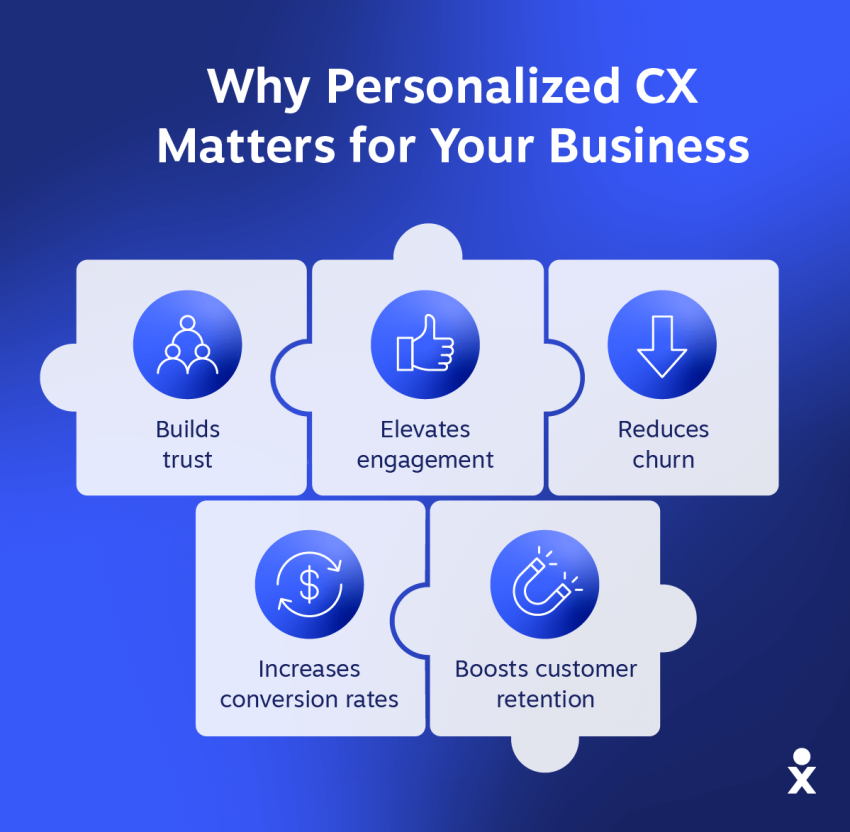
Remember the days when a marketing email addressed to "Valued Customer" felt acceptable? Those days are gone. Customers expect us to know what they want before they ask. We've been conditioned by Netflix and Amazon to expect a tailored feed. This isn't just a trend; it's a power shift where the buyer dictates the relevance of the message.
Generic marketing feels intrusive now, and that’s a problem. A broad-brush approach can actually damage brand perception, signaling to customers that you don’t see them as individuals. People are actively seeking out brands that demonstrate they know them, and they’re willing to reward those brands with their loyalty. We're seeing a real decline in engagement with campaigns that feel mass-produced.
This shift isn’t about being "nice’ to customers; it’s about business survival. Automation isn’t just a way to improve efficiency anymore; it’s the engine that powers personalized experiences at scale. Ignoring this trend means falling behind, losing market share, and ultimately, becoming irrelevant. It"s a tough reality, but one that businesses must confront head-on.
Defining hyper-personalization
Hyper-personalization goes far beyond simply inserting a customer’s name into an email subject line. That’s personalization, sure, but it’s a fairly basic tactic. Hyper-personalization is about leveraging data to understand individual behaviors, preferences, and context in real-time, and then using that understanding to deliver truly tailored experiences.
The difference is in the depth. Traditional marketing groups people by age or zip code. Hyper-personalization treats you as a segment of one. You need behavioral data like app usage and purchase history, but you also need context—like whether it's raining where the customer is right now.
Consider a clothing retailer. Instead of simply emailing everyone about a winter sale, a hyper-personalized approach might adjust the website homepage to showcase coats and boots to a customer in Chicago while simultaneously displaying swimwear to a customer in Miami, based on their location and the current weather. It's about anticipating needs and offering relevant solutions before the customer even asks.
- Behavioral data: tracking how someone clicks through your app or site.
- Transactional Data: Purchase history, order frequency, average order value
- Demographic Data: Age, gender, location, income
- Contextual Data: Device, location, time of day, weather
CE 65 and the Automation Advantage
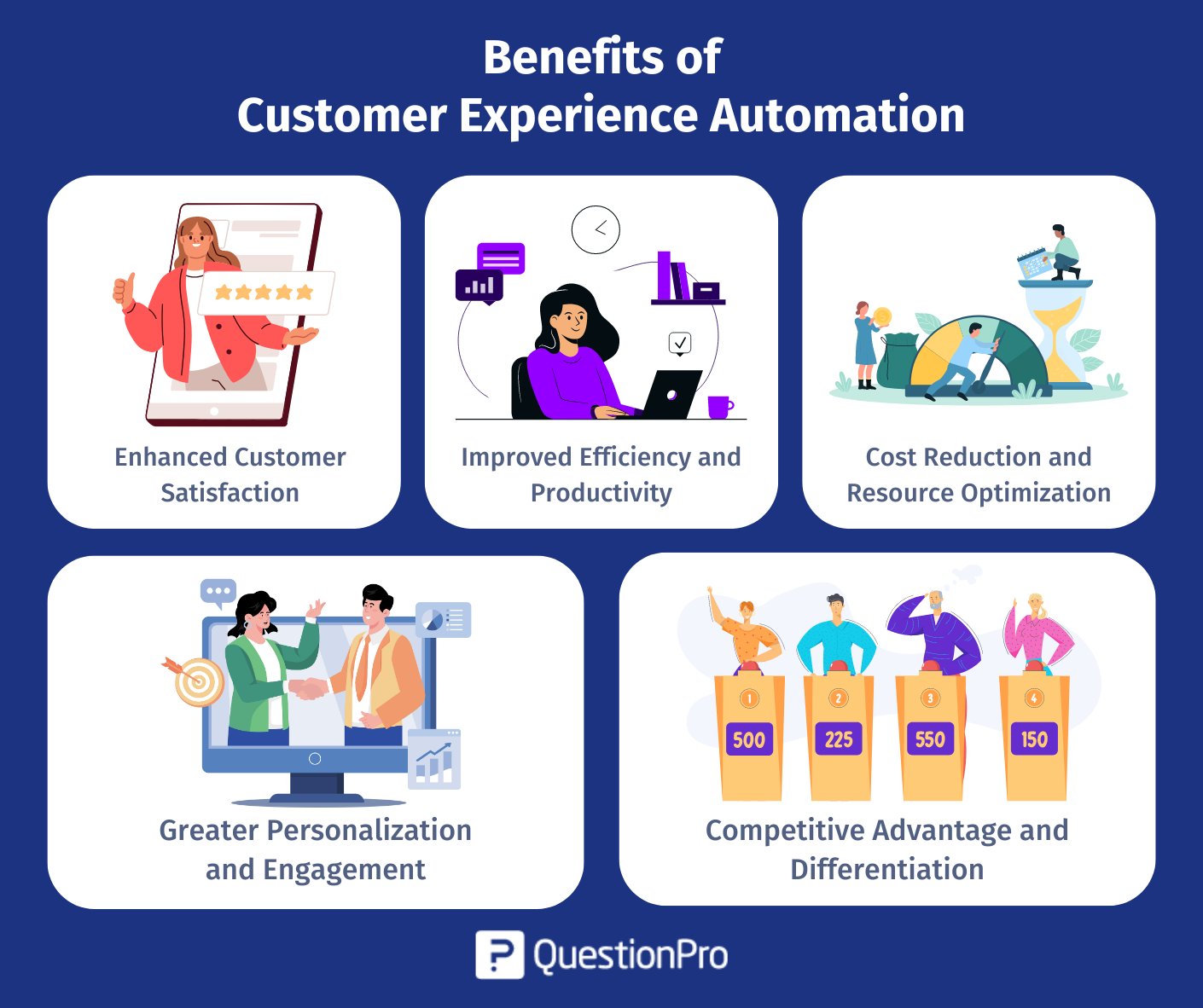
CE 65 is built to help businesses navigate this shift towards hyper-personalization. Our platform isn’t just about automating tasks; it’s about automating intelligent experiences. We provide the tools to collect, analyze, and activate customer data, turning raw information into actionable insights.
At the heart of our solution are powerful analytics capabilities. CE 65’s AI-powered analytics identify patterns in customer behavior that would be impossible to detect manually. This allows you to predict future actions, anticipate needs, and proactively deliver personalized experiences. As detailed in our resources on AI-powered analytics, we’re focused on transforming retail data into insights that drive revenue.
But analytics are only half the battle. CE 65’s automated workflows enable you to deliver the right message, at the right time, on the right channel—without requiring constant manual intervention. This extends far beyond simple marketing automation, encompassing customer service interactions, personalized sales outreach, and even dynamic product recommendations. For example, a customer service agent can be presented with a 360-degree view of the customer’s history and preferences before answering the phone.
We've seen clients use CE 65 to reduce cart abandonment rates by 15% and increase customer lifetime value by 10% simply by implementing more targeted and timely communications. It’s not about sending more emails; it’s about sending better emails, and automating the entire process.
Real-World Examples: B2B and Retail
Let’s look at how hyper-personalization plays out in practice. In the B2B space, consider a software company that sells complex enterprise solutions. Traditionally, onboarding new customers involved a standardized series of emails and tutorials. With CE 65, they can now personalize the onboarding experience based on the customer’s role, industry, and specific use case.
This means a marketing manager at a healthcare provider receives content focused on lead generation and ROI reporting, while a data scientist at a financial institution receives content focused on data integration and advanced analytics. This account-based approach, powered by personalized content delivery, resulted in a 20% increase in product adoption and a significant reduction in churn for that software company.
On the retail side, imagine a fashion retailer with a large online catalog. Instead of showing every customer the same homepage, they use CE 65 to dynamically adjust the content based on browsing history, purchase behavior, and even real-time factors like location and weather. A customer who frequently views dresses might be shown new arrivals in that category, while a customer who recently purchased running shoes might be shown related accessories like socks and fitness trackers.
Furthermore, personalized email campaigns triggered by specific actions—like abandoning a shopping cart or viewing a particular product—can recover lost sales and increase average order value. This retailer saw a 12% increase in conversion rates and a 8% lift in average order value within the first quarter of implementing these changes. The key is to make every interaction feel relevant and valuable to the individual customer.
How to build your strategy
Implementing hyper-personalization automation isn’t a one-time project; it’s an ongoing process. A phased approach is crucial. Start by focusing on data integration – connecting your various data sources (CRM, marketing automation platform, website analytics) to CE 65. This is the foundation of everything.
Next, refine your segmentation. Move beyond broad demographics and start identifying micro-segments based on behaviors and preferences. This requires a deep understanding of your customer base. Then, design automated workflows that deliver personalized experiences based on these segments. Remember to start small—focus on a few key touchpoints and gradually expand your efforts.
A/B testing is essential. Continuously experiment with different messages, offers, and channels to optimize your results. Don’t assume you know what will resonate with your customers; let the data guide you. This isn't a siloed effort either. Marketing, sales, and customer service all need to be aligned and working towards the same goal. Regular communication and collaboration are essential.
Finally, continuous monitoring and optimization are key. Track your results, identify areas for improvement, and iterate based on your findings. Hyper-personalization is a journey, not a destination.
- Connect your CRM and website analytics to CE 65 so the data actually talks to each other.
- Phase 2: Segmentation Refinement – Identify micro-segments based on behavior.
- Phase 3: Workflow Design – Create automated, personalized experiences.
- Phase 4: A/B Testing – Optimize based on data-driven insights.
- Phase 5: Continuous Monitoring – Track results and iterate.
What 1:1 marketing looks like in 2026
Looking ahead to 2026, hyper-personalization will become even more sophisticated. The increasing use of AI and machine learning will enable us to predict customer behavior with greater accuracy and deliver even more relevant experiences. Predictive analytics will move beyond simply recommending products to anticipating needs and proactively offering solutions.
We’ll also see a growing emphasis on privacy-preserving personalization techniques. Customers are increasingly concerned about data privacy, and businesses will need to find ways to deliver personalized experiences without compromising trust. Technologies like differential privacy and federated learning will play a crucial role in this area.
Emerging technologies like augmented reality (AR) and virtual reality (VR) could also revolutionize the customer experience, allowing brands to create immersive and personalized environments. Imagine virtually "trying on’ clothes or ‘experiencing" a product before making a purchase. Generative AI will be instrumental in creating personalized content at scale, reducing the need for manual content creation.
However, challenges remain. Data privacy concerns are paramount, and businesses must prioritize ethical AI practices. There’s also the risk of personalization fatigue – customers becoming overwhelmed by too much personalization. Striking the right balance will be crucial.
No comments yet. Be the first to share your thoughts!