

Moving past dashboards to predictive analytics
Traditional customer experience analytics often feels like looking in the rearview mirror. We’re presented with reports on what has happened – website traffic, purchase history, support ticket volume – but these are lagging indicators. They tell us what’s already occurred, not what’s about to. Businesses need to move beyond simply monitoring CX and start predicting it, and that’s where CE 65’s 2026 platform comes in.
The shift isn’t just about adding a few new charts to a dashboard. It’s a fundamental change in how companies understand their customers. The volume and complexity of customer data are exploding, making it impossible for humans to identify meaningful patterns and anticipate needs without the help of artificial intelligence. We’re seeing a move from descriptive analytics to diagnostic, predictive, and ultimately, prescriptive analytics – telling you why something happened, what will happen, and what you should do about it.
The 2026 platform shifts focus to these immediate needs. Waiting for a weekly report to see why users dropped off a landing page is too slow. We built this to spot those friction points while the user is still on the site.
What the AI engine actually does
At the heart of the CE 65 2026 platform is a powerful AI engine, leveraging machine learning to unlock deeper customer understanding. Sentiment analysis is a key component, but it goes far beyond simply categorizing feedback as positive or negative. The platform can detect nuanced emotions – frustration, confusion, excitement – providing a far more granular view of customer sentiment.
Churn prediction is another critical capability. The platform doesn’t just identify customers at risk of leaving; it pinpoints the factors driving that risk. These factors can range from declining engagement with specific products to negative interactions with customer support. This allows businesses to take targeted action to retain valuable customers. We've seen early adopters improve churn prediction accuracy by as much as 20% using these features.
These tools work in a loop. If sentiment analysis flags a series of frustrated support chats, the churn model automatically updates that user's risk score. This triggers a specific recommendation—like a direct outreach or a targeted discount—rather than just a generic alert.
The system also provides next-best-action recommendations. Based on a customer’s real-time behavior, historical data, and predicted needs, the platform suggests the most appropriate action – offering a discount, providing proactive support, or recommending a relevant product. This helps businesses optimize every interaction and maximize customer value.
Real-Time Signals: From Data to Action
The power of CE 65’s platform lies in its ability to process data in real-time. This isn’t about nightly batch processing; it’s about analyzing data as it happens and triggering immediate action. The platform integrates with a wide range of data sources, including website activity, CRM systems (like Salesforce and Microsoft Dynamics 365), social media channels, and support ticket systems.
Insights are generated with remarkable speed. The platform can identify a frustrated customer on a website within seconds, allowing for a proactive intervention. For example, if a customer spends an unusually long time on a checkout page without completing a purchase, the platform can automatically trigger a chat window offering assistance. This proactive approach can significantly reduce cart abandonment rates.
This speed and responsiveness are what set CE 65 apart. It’s not enough to know a customer is unhappy; you need to know it now and take action immediately. The platform enables businesses to move from reactive problem-solving to proactive experience management, creating a more seamless and satisfying customer journey. The goal is to resolve issues before the customer even realizes they have one.
Differences between B2B and retail setups
Customer experience analytics aren’t one-size-fits-all. The needs of B2B and retail customers are fundamentally different, and CE 65’s platform recognizes that. B2B sales cycles are typically longer and involve multiple stakeholders, each with their own priorities and concerns. Retail transactions, on the other hand, are often more immediate and focused on individual preferences.
The platform’s data modeling and analysis account for these differences. For B2B, the focus is on understanding the entire buying committee, tracking interactions across multiple touchpoints, and identifying key influencers. For retail, the emphasis is on individual customer behavior, purchase history, and personalized recommendations. The platform adjusts its algorithms and reporting to deliver insights that are relevant to each business model.
Unique insights can be gleaned from each approach. In B2B, you can identify the most effective content for each stage of the sales cycle. In retail, you can predict which products a customer is likely to purchase based on their browsing history and past purchases. CE 65’s flexibility allows businesses to tailor their analytics to their specific needs, maximizing the value of their customer data.
Personalization at Scale: Dynamic Customer Journeys
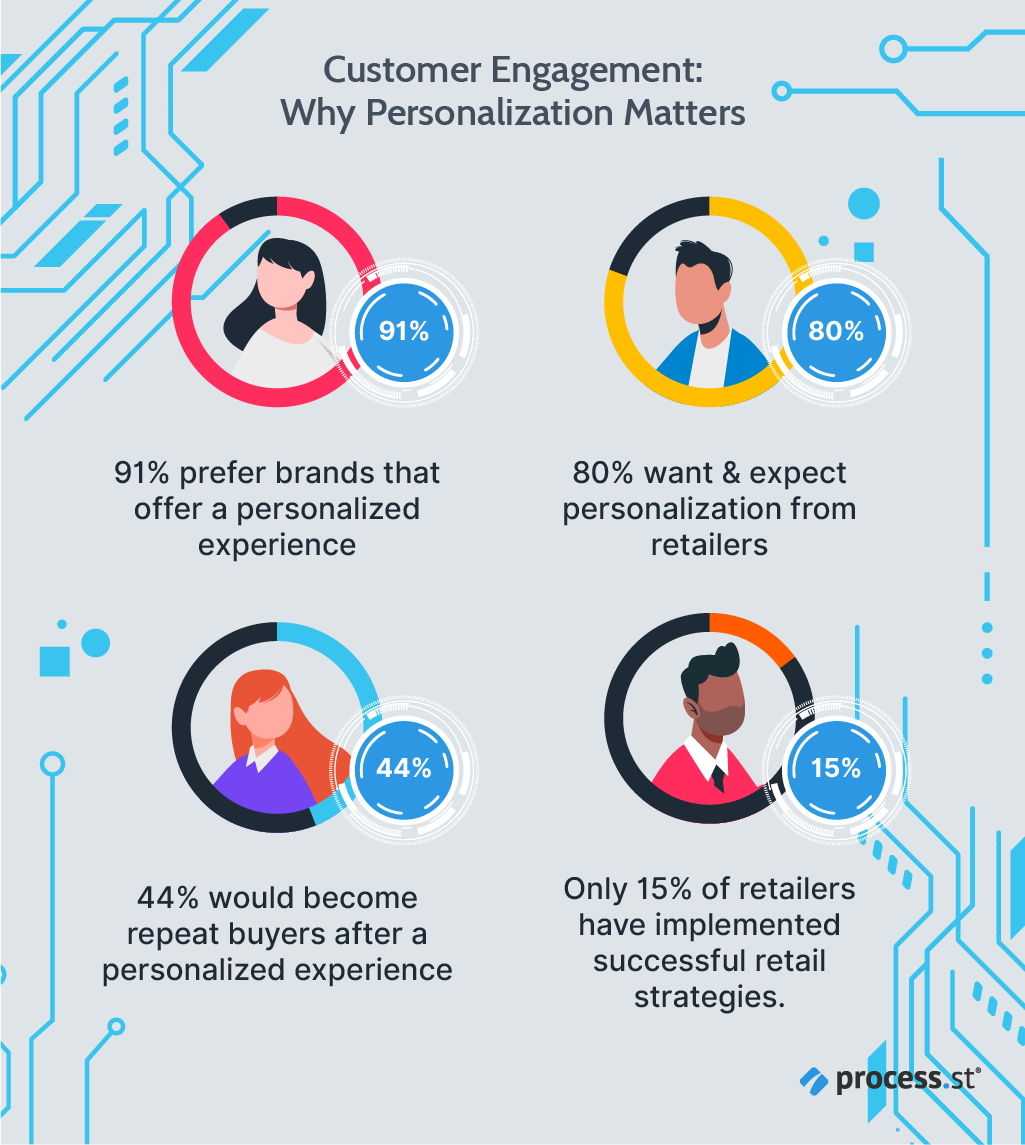
CE 65 empowers businesses to deliver truly personalized experiences across all touchpoints. This goes far beyond simply using a customer’s name in an email. The platform dynamically adjusts website content, product recommendations, and support interactions based on real-time behavior and predicted needs.
For example, a returning customer might see a customized homepage featuring products they’ve previously viewed or added to their cart. A first-time visitor might be presented with a welcome offer or a guided tour of the website. A customer who has recently experienced a problem with a product might receive a proactive email offering assistance. These personalized touches can significantly impact key metrics.
We’ve seen customers using CE 65 increase conversion rates by up to 15% and customer lifetime value by 10% through personalized experiences. It's about creating a seamless and relevant journey for each individual customer, making them feel valued and understood. This isn’t just about improving the bottom line; it’s about building lasting relationships.
CE 65’s Personalization Features Across the Customer Journey
| Journey Stage | Common Customer Needs | CE 65 Feature | Expected Outcome |
|---|---|---|---|
| Awareness | Discovering relevant products/services; understanding brand values | AI-driven Content Recommendations | Increased brand visibility and initial engagement with relevant offerings. |
| Consideration | Gathering information; comparing options; assessing value | Personalized Website Experiences | Improved lead qualification through tailored content and messaging based on observed behavior. |
| Decision | Confirming purchase suitability; addressing final concerns | Dynamic Offer Optimization | Encouraged conversion through targeted promotions and incentives aligned with individual preferences. |
| Retention | Continued satisfaction; ongoing value; proactive support | Predictive Customer Service | Reduced churn by anticipating customer needs and offering proactive assistance. |
| Advocacy | Sharing positive experiences; recommending to others | Loyalty Program Personalization | Strengthened customer relationships and increased brand advocacy through exclusive rewards and recognition. |
| Awareness | Finding solutions to specific pain points | AI-Powered Search Personalization | Faster discovery of relevant information and products, improving initial user experience. |
| Consideration | Evaluating product features and benefits | Behavioral Segmentation | Delivery of targeted content that addresses specific customer interests and concerns, fostering deeper engagement. |
| Retention | Receiving consistent and helpful support | Personalized Communication Channels | Enhanced customer satisfaction through preferred communication methods and relevant updates. |
Illustrative comparison based on the article research brief. Verify current pricing, limits, and product details in the official docs before relying on it.
Integrating with Existing Tech Stacks
Implementing a new analytics platform can be daunting, which is why CE 65 is designed to integrate seamlessly with existing tech stacks. The platform offers pre-built integrations with popular CRM systems like Salesforce and HubSpot, marketing automation platforms like Marketo and Pardot, and data warehouse solutions like Snowflake and Amazon Redshift.
Most teams will need a developer to handle the API setup, but we've pre-built the connectors for Salesforce and HubSpot to cut down that initial dev time. It isn't a one-click install, but it's close for standard stacks.
The level of technical expertise required will vary depending on the complexity of the integration. However, we provide comprehensive documentation and support to help businesses get up and running quickly. The value of a seamless integration – a single source of truth for customer data – far outweighs the initial effort.
No comments yet. Be the first to share your thoughts!