

Moving beyond dashboards
Most business intelligence is reactive. Static reports tell you what happened last week, but they don't help when a customer is on your site right now. We built CE 65 to change that by focusing on what happens next.
We’re moving beyond simply reporting on customer data to proactively uncovering insights that drive action. CE 65 is a digital customer experience platform designed to deliver this new level of intelligence. This isn't about better dashboards; it’s about shifting from descriptive analytics – what happened? – to predictive analytics – what will happen? – and ultimately, prescriptive analytics – what should we do about it?
The core idea is to move away from hindsight and towards foresight. Customers expect personalized experiences now, and businesses need the tools to deliver. CE 65 provides that capability by harnessing the power of AI to analyze customer behavior and identify opportunities for improvement. It’s about understanding the "why’ behind the data, not just the ‘what".
Where the data comes from
CE 65’s AI-powered analytics aren’t magic; they’re built on a foundation of comprehensive data integration. We connect to a wide range of sources to create a 360-degree view of each customer, including website interactions, in-app activity, and CRM data from systems like Salesforce. It doesn’t stop there.
We pull in social media mentions, chat transcripts, and voice recordings. By combining these with IoT sensor data, the system finds patterns that humans usually miss. The platform cleans and unifies this mess automatically so you don't have to spend weeks on data prep.
CE 65 seamlessly connects to popular data warehouses like Snowflake and Redshift, as well as marketing automation platforms like Marketo and HubSpot. This allows businesses to leverage their existing data infrastructure and avoid costly data silos. The goal is to provide a single source of truth for all customer-related data.
Predictive Churn: A Real-World Example
One of the most impactful applications of CE 65’s AI capabilities is predicting customer churn. Identifying customers at risk of leaving before they actually do allows businesses to intervene and prevent lost revenue. Our AI models analyze a variety of indicators to assess churn risk.
These indicators include declining engagement with your product or service, negative sentiment expressed in support interactions (detected through natural language processing of contact center transcripts), and decreased purchase frequency. The AI doesn’t just flag at-risk customers; it also provides insights into why they’re likely to churn.
For example, imagine a B2B customer whose usage of key product features has dropped significantly over the past month, and who recently submitted a negative support ticket mentioning frustration with a specific integration. CE 65 would alert a customer success manager to proactively reach out to this customer, offering assistance and addressing their concerns. This targeted intervention can often turn a potential churn into a renewed relationship.
- Website visits and feature usage drops
- Frustrated comments in support tickets or on social media
- Decreased Purchase Frequency: Fewer orders or lower average order value.
Automated insights for everyone
Historically, unlocking the power of AI required a team of highly skilled data scientists. This created a significant barrier to entry for many businesses. CE 65 democratizes access to AI by automating the process of insight discovery. We believe that valuable insights shouldn’t be locked away in the data science department.
Our platform features automated anomaly detection, which identifies unusual patterns in customer behavior that warrant further investigation. It also provides root cause analysis, helping users understand the underlying drivers of these anomalies. Perhaps most powerfully, CE 65 offers natural language query capabilities.
This allows business users to simply ask questions of their data in plain English – for instance, “Why did sales decline in the Western region last month?” – and receive clear, concise answers. This empowers "citizen data scientists" across the organization to find answers and make data-driven decisions without relying on IT or specialized data science teams.
Personalization at Scale: Beyond Basic Segmentation
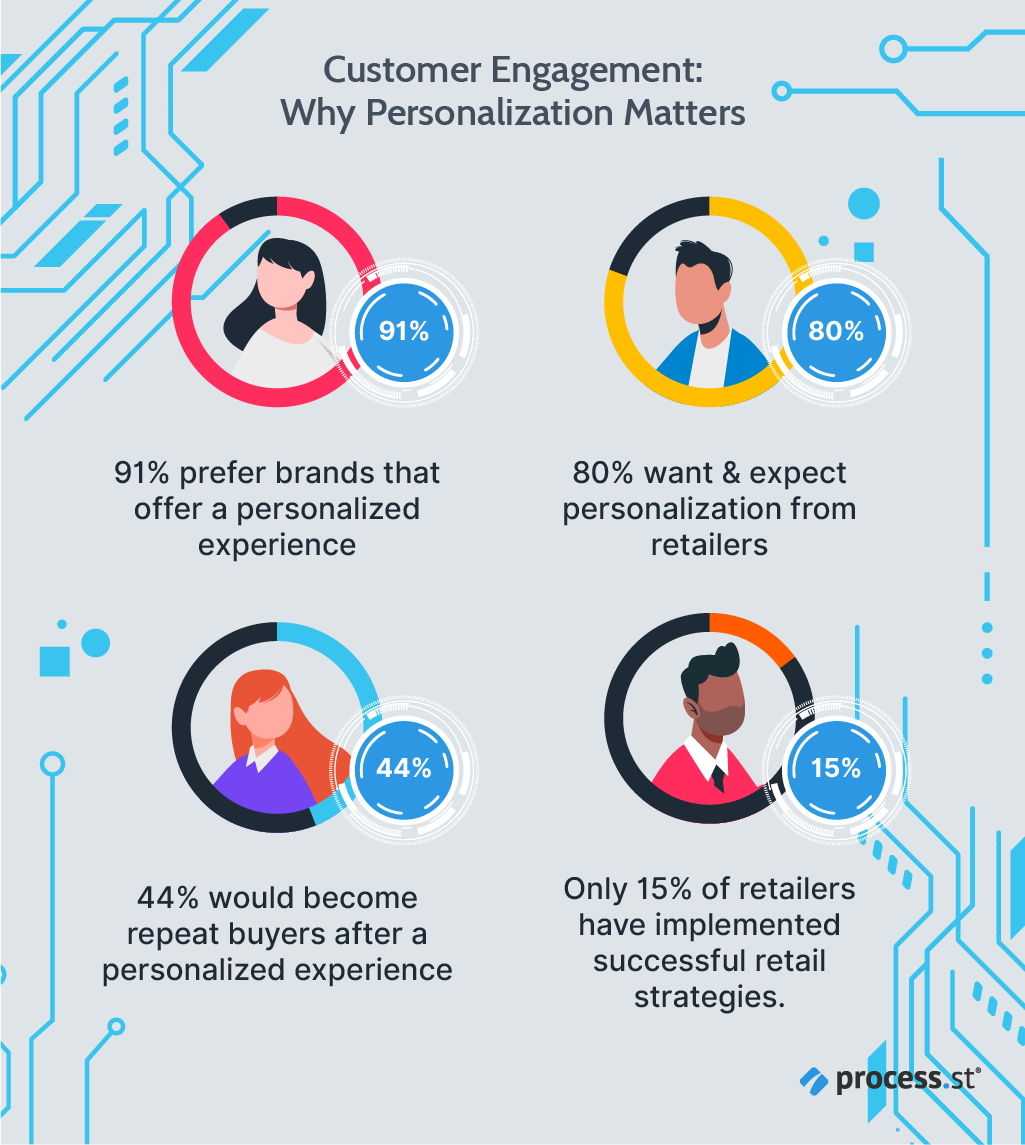
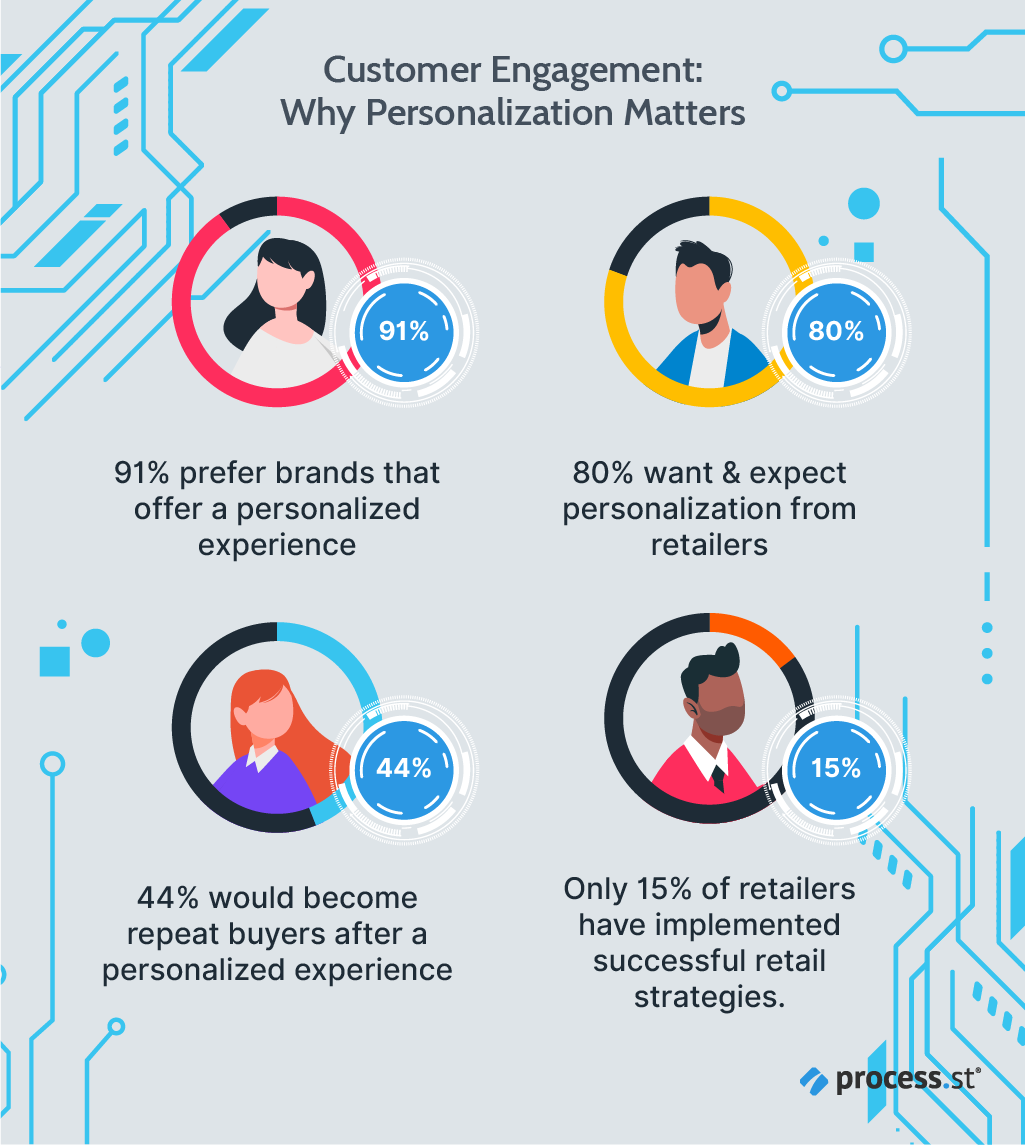
Standard segmentation is too broad. Grouping people just by age or location leads to generic marketing that people ignore. CE 65 looks at individual behavior to predict what a specific person actually wants to see.
Instead of simply targeting customers based on their age or location, we can deliver personalized content, offers, and recommendations tailored to their specific interests and purchase history. This is achieved through AI-powered recommendation engines and dynamic content optimization (DCO).
For example, a customer who recently viewed a specific product category on your website might receive personalized email offers for similar products. DCO ensures that website visitors see content that is most relevant to their individual profiles, maximizing engagement and conversion rates. This level of personalization isn’t possible without the power of AI.
Traditional Segmentation vs. CE 65 Personalization
| Feature | Traditional Segmentation | CE 65 Personalization |
|---|---|---|
| Data Used | Demographics, basic purchase history, limited website activity | Real-time behavior, contextual data, historical interactions across all channels |
| Granularity | Broad customer groups, generalized profiles | Highly specific micro-segments based on dynamic attributes |
| Adaptability | Static; requires manual updates and re-segmentation | Dynamic; continuously learns and adjusts segments in real-time |
| Impact on CX | One-size-fits-most messaging, limited personalization | Highly relevant and individualized experiences, proactive engagement |
| Predictive Capabilities | Reactive; based on past behavior | Proactive; anticipates customer needs and intent |
| Segmentation Basis | Rules-based; relies on pre-defined criteria | AI-driven; discovers hidden patterns and relationships |
| Resource Intensity | Lower initial setup cost, but ongoing manual effort | Higher initial investment, but reduced manual maintenance and improved ROI |
| Actionability | Basic targeting and messaging | Personalized recommendations, automated journeys, and optimized content delivery |
Qualitative comparison based on the article research brief. Confirm current product details in the official docs before making implementation choices.
The Future of B2B CX: Account-Level Intelligence
For B2B companies, understanding the health of key accounts is paramount. CE 65 provides account-level intelligence, allowing businesses to understand the engagement and potential of each strategic customer. This is a significant step beyond individual customer-level insights.
Our platform features relationship mapping, which visually represents the connections between individuals within an account. It also provides engagement scoring, which quantifies the level of interaction between your team and the account. Furthermore, CE 65 helps identify potential expansion opportunities within existing accounts.
This allows sales and customer success teams to prioritize their efforts, focusing on accounts that are most likely to generate revenue growth. By proactively addressing potential issues and identifying new opportunities, businesses can strengthen their relationships with key customers and drive long-term loyalty.
No comments yet. Be the first to share your thoughts!