

Real-time journey mapping
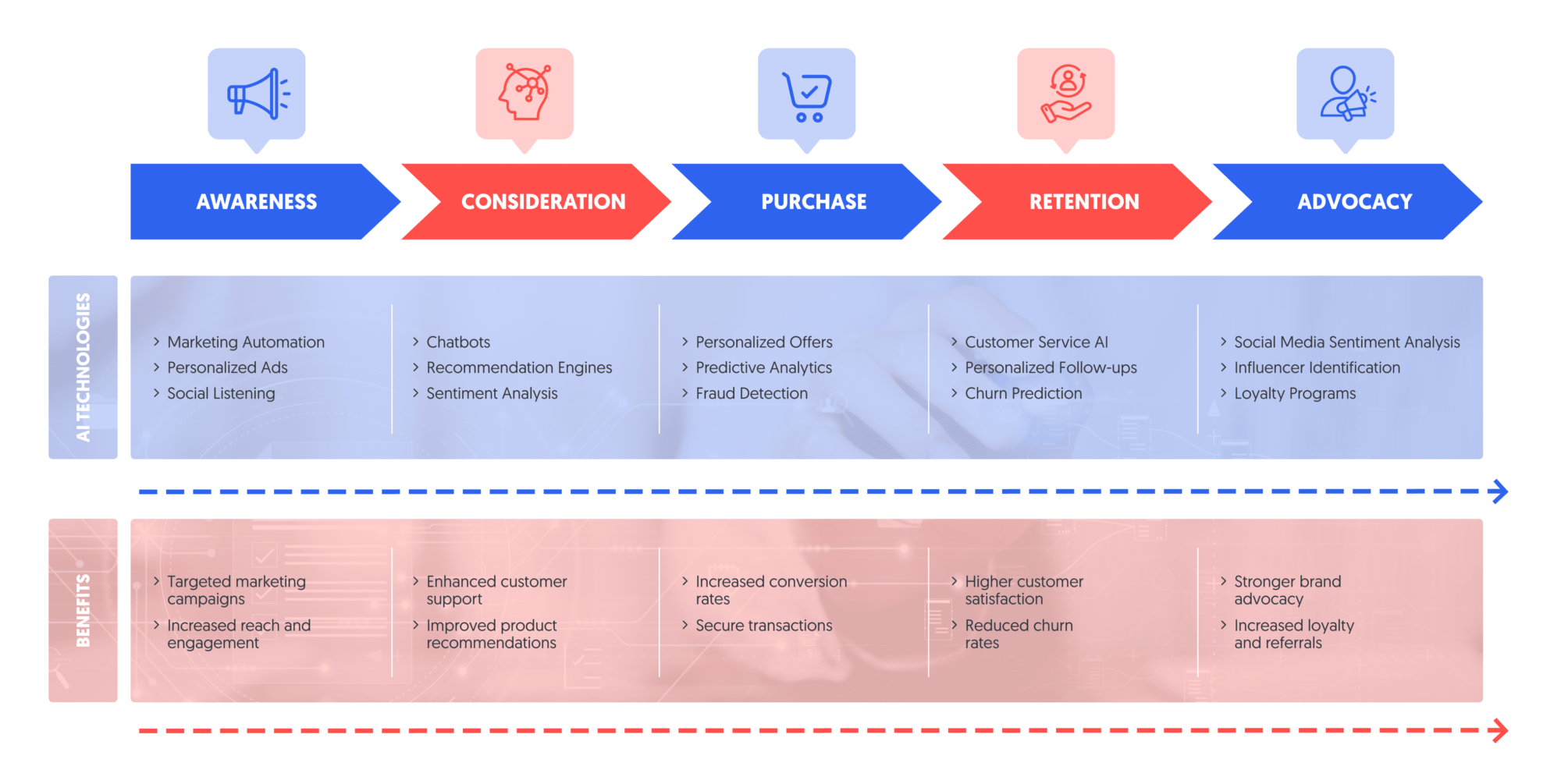
For years, businesses have relied on customer journey maps. These were valuable, but often static snapshots – a retrospective view of how customers had interacted with a brand. The problem is, customer behavior isn’t predictable. It’s fluid, influenced by countless factors that shift in real-time. Traditional journey mapping simply can’t keep pace, leaving businesses reacting to problems instead of proactively addressing them.
CE 65 addresses this limitation with a platform built for dynamic customer journey mapping. It moves beyond the historical view, providing a continuous, real-time understanding of each customer’s experience. We’re not just showing you where customers have been; we’re showing you where they are and, crucially, where they’re likely to go next.
This isn’t about replacing journey maps entirely. It’s about augmenting them with a layer of intelligence. Think of it as a living journey map, constantly updated with fresh data and AI-driven predictions. This allows teams to move from analyzing what happened to anticipating what will happen, and intervening accordingly. It’s a shift from reactive problem-solving to proactive experience optimization.
Predictive journey analysis
At the heart of CE 65 is a sophisticated AI engine designed to predict customer behavior throughout their journey. It’s not simply about identifying patterns after the fact; it’s about anticipating potential roadblocks and opportunities as they arise. This predictive capability is what sets CE 65 apart.
The system uses sequence analysis and clustering to find correlations between actions and outcomes. For example, it flags when a user views a specific product page and then abandons their cart, which usually signals a high risk of churn.
A key component is anomaly detection. The AI constantly monitors customer behavior, flagging unusual patterns that might indicate frustration, confusion, or an emerging problem. This allows businesses to intervene before a negative experience escalates. Identifying these friction points before customers abandon a process is incredibly valuable.
Connecting data sources
Effective real-time journey mapping depends on a unified view of customer data. CE 65 isn’t limited to data from a single source; it integrates with a wide range of systems to create a holistic picture of each customer. This includes traditional CRM data, of course, but also extends far beyond that.
We connect to web analytics platforms like Google Analytics and Adobe Analytics, social media channels, customer support systems (Zendesk, Salesforce Service Cloud), in-app behavior tracking tools, and even potentially IoT data from connected devices. The goal is to capture every touchpoint a customer has with a brand. A retailer, for instance, might integrate point-of-sale data, website browsing history, mobile app usage, and social media interactions.
One of the biggest challenges businesses face is data silos. CE 65 addresses this by providing a centralized data lake and robust data integration capabilities. We also prioritize data quality, employing data cleansing and validation processes to ensure the accuracy and reliability of the insights generated. Without clean, unified data, even the most sophisticated AI is limited.
Data Source Integration Value for Customer Journey Mapping
| Data Source | Integration Complexity | Data Enrichment Potential | Real-time Availability | Journey Insight Contribution |
|---|---|---|---|---|
| CRM Systems | Medium | High | Yes | Provides foundational customer profile data, purchase history, and interaction logs, crucial for personalized journey stages. |
| Web Analytics Platforms | Low | Medium | Yes | Offers behavioral data on website interactions – pages visited, time spent, actions taken – revealing intent and pain points in the digital journey. |
| Social Media Channels | Medium | Medium | Yes | Captures brand sentiment, public conversations, and customer advocacy, adding context to overall brand perception and journey influence. |
| Customer Support Tickets | Low | High | Yes | Reveals specific issues, frustrations, and resolutions, highlighting critical moments of truth and areas for proactive improvement within the journey. |
| IoT Device Data | High | Medium | Yes | For relevant industries, provides data on product usage and performance, adding a physical world dimension to the customer journey (e.g., connected appliances, industrial equipment). |
| Marketing Automation Platforms | Medium | Medium | Yes | Provides information on campaign engagement, email opens, and click-through rates, illuminating the impact of marketing efforts on the customer journey. |
| Transactional Data (ERP/Billing) | Medium | Low | No | Offers insights into purchase patterns and revenue, but requires correlation with other data sources to understand *why* purchases occur within the journey. |
Illustrative comparison based on the article research brief. Verify current pricing, limits, and product details in the official docs before relying on it.
Automated responses
CE 65 doesn’t just provide insights; it enables action. The platform uses AI-powered analytics to trigger automated responses based on real-time customer behavior. This moves beyond basic marketing automation to deliver truly personalized and proactive experiences.
For example, in a B2B context, if a key account shows signs of disengagement – perhaps a decrease in website activity or a drop in product usage – CE 65 can automatically alert a sales representative. This allows the rep to reach out proactively and address any concerns before the account churns. Similarly, a retailer might use CE 65 to automatically offer a discount to a customer who has abandoned a shopping cart, or to send personalized product recommendations based on their browsing history.
These automated actions aren’t just about increasing sales; they’re about building stronger customer relationships. By anticipating customer needs and responding in a timely and relevant manner, businesses can demonstrate that they truly value their customers.
Retail Insights: Personalization at Scale
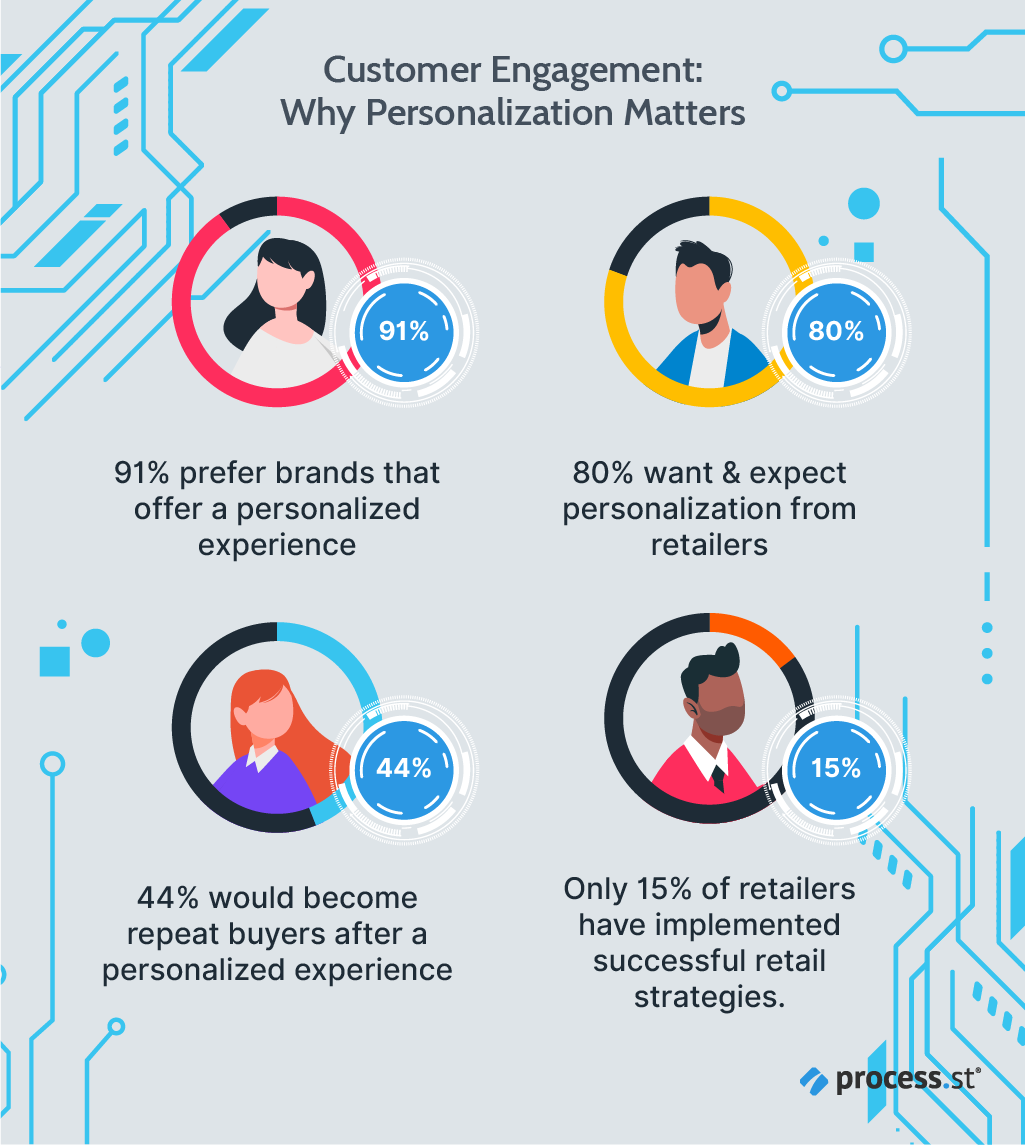
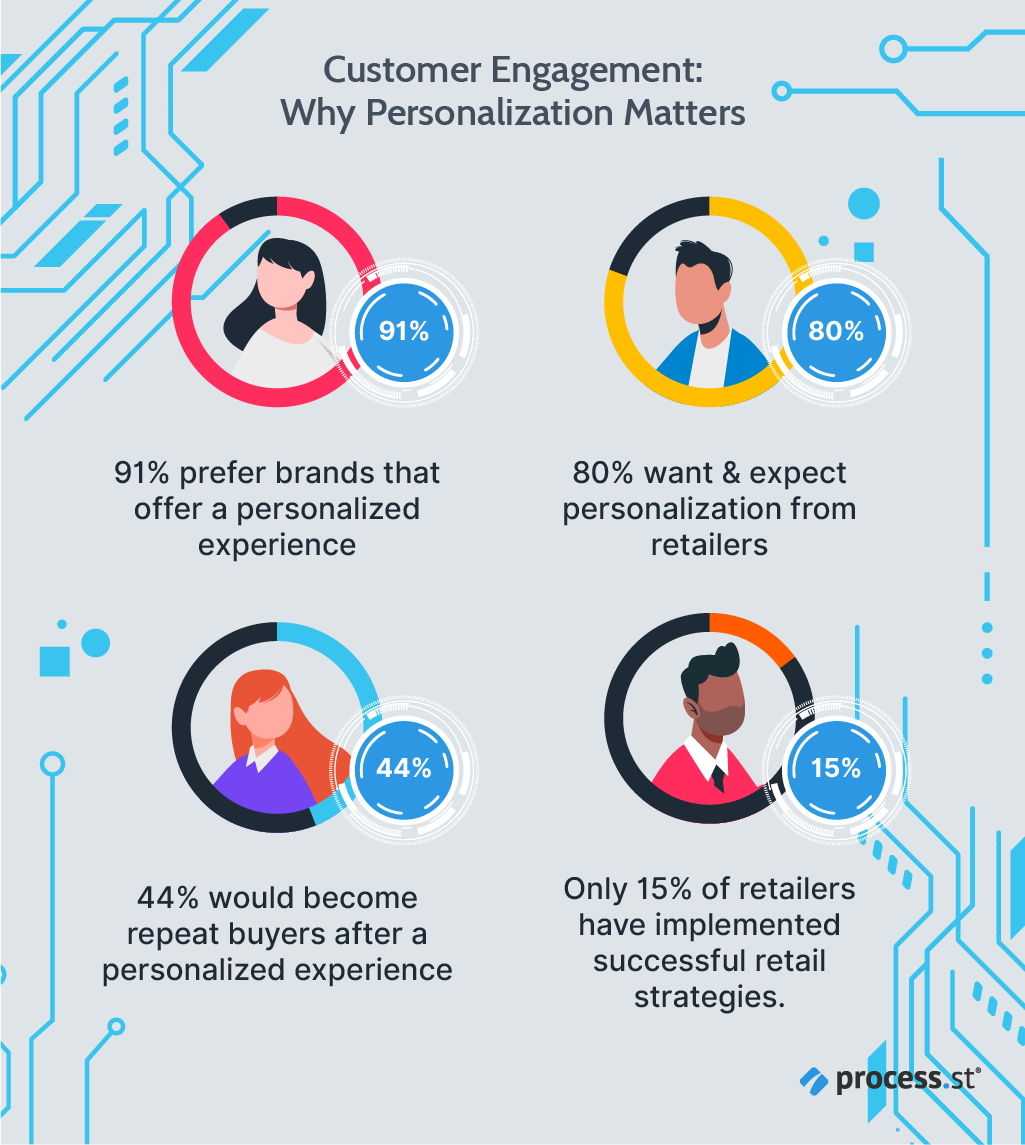
Retailers are under immense pressure to deliver personalized experiences. CE 65 provides the tools to do just that, enabling retailers to tailor the shopping experience to each individual customer. This goes beyond simply addressing customers by name in email campaigns.
The platform can be used to optimize product recommendations, personalize website content, and improve customer loyalty programs. By analyzing customer behavior, CE 65 can identify which products are most likely to appeal to specific customers, and then present those products at the right time and in the right context. It can also help retailers predict demand and optimize inventory levels, reducing waste and maximizing profitability.
While specific case study data is confidential, we’ve seen retailers using CE 65 to increase conversion rates by up to 15% and improve customer retention by 10%. These results demonstrate the power of AI-powered personalization to drive tangible business outcomes. It’s about understanding not just what customers buy, but why they buy it.
B2B Applications: Account-Based Journeying
In the B2B world, understanding the customer journey is often more complex. Decisions are made by committees, and multiple stakeholders are involved. CE 65 enables account-based customer journey mapping, allowing businesses to understand the needs of key accounts and tailor their interactions accordingly.
This means mapping the journey of each individual within the buying committee, identifying their specific pain points and priorities. CE 65 helps businesses understand who the key influencers are, what information they need, and how best to engage with them. This level of granularity is essential for closing complex deals.
The platform also supports lead scoring and prioritization, helping sales teams focus their efforts on the most promising opportunities. By understanding where each lead is in the journey, sales reps can deliver the right message at the right time, increasing their chances of success.
Measuring Success: Key CX Metrics
To truly understand the impact of CX initiatives, it’s essential to track the right metrics. CE 65 provides a comprehensive suite of reporting tools that allow businesses to monitor key performance indicators (KPIs) and measure the effectiveness of their efforts.
Some of the key metrics we track include customer satisfaction (CSAT), Net Promoter Score (NPS), Customer Effort Score (CES), and churn rate. These metrics provide a holistic view of the customer experience, from initial awareness to long-term loyalty. CE 65 ties these metrics directly to the customer journey, allowing businesses to identify specific touchpoints that are driving positive or negative outcomes.
While benchmark numbers vary widely by industry, the focus should be on continuous improvement. CE 65 helps businesses identify areas where they can optimize the customer experience and drive measurable results. It’s about moving beyond vanity metrics and focusing on the metrics that truly matter to the bottom line.
No comments yet. Be the first to share your thoughts!