

The $2.7 trillion cart abandonment problem
Cart abandonment is a staggering problem for businesses worldwide. Recent data from Baymard Institute estimates that the average cart abandonment rate across all industries is nearly 70%, representing a loss of over $2.7 trillion in potential revenue annually. This isn’t just a retail issue either; B2B companies face similar challenges, though the reasons for abandonment can be quite different.
For too long, companies have treated cart abandonment as a post-mortem analysis exercise. Looking at data after a customer leaves provides limited value. The real opportunity lies in preventing abandonment in the first place, and that requires a shift towards real-time understanding of the customer journey. CE 65 is built on this principle, providing the tools to identify and address friction points as they occur.
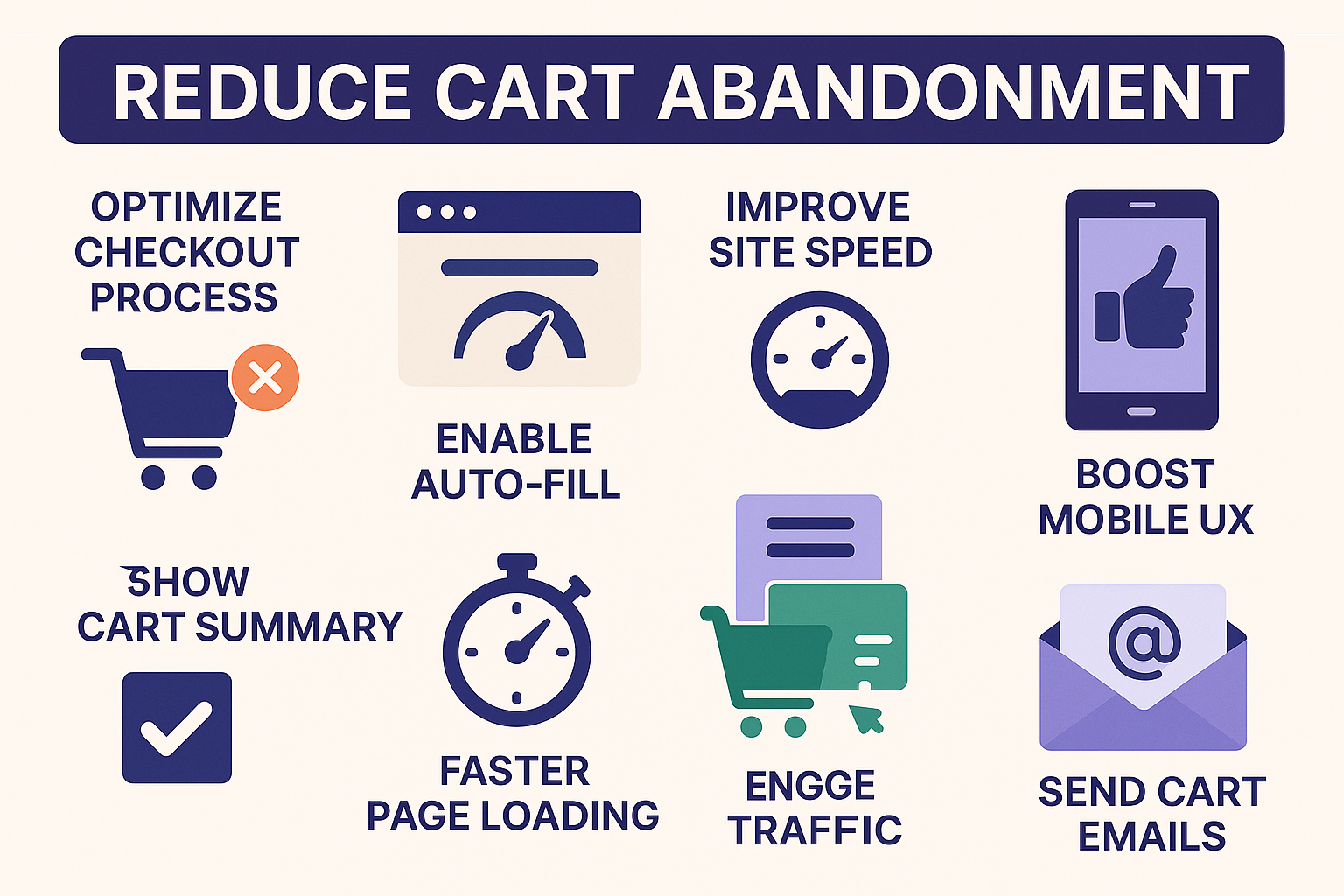
Real-time signals beat basic analytics
Traditional web analytics tools offer valuable insights, but they often fall short when it comes to understanding the why behind customer behavior. Page views and bounce rates tell you what happened, but not why a customer decided to leave. To truly tackle cart abandonment, you need to move beyond these lagging indicators and focus on real-time signals.
CE 65 tracks how long people stay on product pages and where their mouse moves. We look for hesitation or erratic patterns that suggest someone is confused. We also track form field errors and the specific order of products viewed to see where the friction is.
It’s about recognizing that abandonment isn’t a single event, but rather a series of micro-signals. A customer spending an unusually long time on the shipping cost page, for example, might be signaling price sensitivity. Identifying these signals in real-time allows for immediate intervention, rather than waiting for a post-purchase survey to reveal the issue.
How the predictive abandonment engine works
CE 65 uses these signals to predict abandonment. The system assigns a risk score to each shopper based on their behavior, showing how likely they are to leave the site without buying.
The engine leverages machine learning algorithms to identify patterns and correlations between behavior and abandonment. Data points like prolonged hesitation on the payment page, repeated attempts to enter invalid coupon codes, or switching between different product options are weighted heavily. The system learns and adapts over time, becoming increasingly accurate as it collects more data.
A key benefit of CE 65 is the level of customization available. Businesses can define their own risk thresholds and tailor the weighting of different data points to reflect their specific customer base and product offerings. This ensures that the engine is optimized for their unique business needs, and isn't relying on generic assumptions.
Automated interventions: the right offer at the right time
Once a shopper is identified as being at high risk of abandoning, CE 65 can trigger automated interventions designed to re-engage them. These interventions are personalized and delivered in real-time, maximizing their impact. We’ve seen particularly strong results with targeted offers.
Examples include personalized discounts based on the items in the cart, free shipping offers to overcome price objections, and exit-intent pop-ups displaying relevant product recommendations. Proactive chat invitations offering assistance with the checkout process can also be highly effective. CE 65 also allows for simplified checkout flows, reducing friction and making it easier for customers to complete their purchase.
For instance, a customer lingering on the shipping page might receive a pop-up offering free shipping on orders over a certain amount. Or, a customer who has added items to their cart but hasn’t proceeded to checkout might receive an email with a personalized product recommendation. The platform has the capability for seamless handoff to existing email marketing platforms to continue the conversation.
A 45% reduction in abandonment: 2024 case study
In a 2024 study, an apparel retailer cut cart abandonment by 45% using CE 65. They started with a 72% abandonment rate because their checkout process was too complex and shoppers were constantly leaving to compare prices elsewhere.
The CE 65 implementation involved integrating our platform with their existing e-commerce system and configuring automated interventions based on real-time behavioral data. Specifically, they utilized personalized discount offers triggered by prolonged hesitation on the payment page and simplified their checkout flow. These changes, combined with proactive chat support, resulted in a significant improvement.
Beyond the 45% reduction in cart abandonment, the retailer also experienced a 12% increase in conversion rate, a 5% increase in average order value, and a 10% improvement in customer lifetime value. These results demonstrate the broader impact of real-time journey optimization, extending beyond just preventing abandonment.
Optimization beyond the checkout page
Real-time journey optimization is about more than just preventing cart abandonment. It’s about creating a seamless, personalized experience across the entire customer lifecycle. By understanding customer behavior at every touchpoint, businesses can proactively address friction, anticipate needs, and build stronger relationships.
CE 65 is continuously evolving, with future development focused on expanding our real-time analytics capabilities and introducing new automated interventions. We envision a future where journey optimization is fully integrated into every aspect of the customer experience, enabling businesses to deliver truly personalized and engaging interactions.


No comments yet. Be the first to share your thoughts!