

The Shift to Predictive CX: Why 2026 Demands AI Analytics
Customer journeys are no longer simple, linear paths. They’re complex, multi-channel experiences spanning weeks, months, even years. Businesses are drowning in data from every touchpoint – website visits, social media interactions, purchase history, support tickets – more than any human team can realistically analyze. Traditional business intelligence, focused on what happened, is quickly becoming insufficient. We’ve moved past simply reporting on past performance.
The real opportunity now lies in understanding why things happened and, crucially, what will happen next. This is where AI-powered analytics comes in. It’s about shifting from a reactive to a proactive approach, anticipating customer needs before they’re even expressed and preventing problems before they escalate. It’s about moving beyond descriptive analytics to predictive and prescriptive analytics.
This isn’t just a nice-to-have; it's becoming a necessity for survival. Customers expect personalized, seamless experiences, and businesses that can’t deliver will fall behind. CE 65 is focused on helping companies make this transition. We believe that AI isn’t about replacing human insight, but amplifying it, giving teams the tools to focus on what they do best: building genuine relationships with customers.
The increase in data volume is a huge factor. Consider that a typical retail customer generates over 13 data points per transaction, and the average B2B customer interaction involves multiple stakeholders across different departments. To make sense of this, you need more than just spreadsheets and dashboards. You need the power of AI to identify patterns, predict behavior, and recommend optimal actions.
I managed vendor evaluation and martech stack optimization at Experian, including AI-powered analytics, attribution modeling, and predictive lead scoring platforms. The audit identified $300K in annual savings just from rationalizing duplicate tools. Most companies have this kind…
— Morgan Von Druitt (@MorganVonDruitt) April 12, 2026
Beyond Reporting: What AI-Powered CX Analytics Actually *Does*
AI-powered CX analytics isn’t about replacing your existing analytics tools; it’s about layering intelligence on top of them. It’s about taking raw data and transforming it into actionable insights. One key capability is sentiment analysis, which uses natural language processing to understand the emotional tone of customer interactions – whether it’s a positive review, a frustrated support ticket, or a neutral social media post.
But it goes far beyond just understanding how customers feel. AI can also predict churn risk, identifying customers who are likely to leave so you can intervene with targeted retention efforts. It can provide next-best-action recommendations, suggesting the most effective way to engage with each customer based on their individual behavior and preferences. This could mean offering a personalized discount, suggesting a relevant product, or simply providing proactive support.
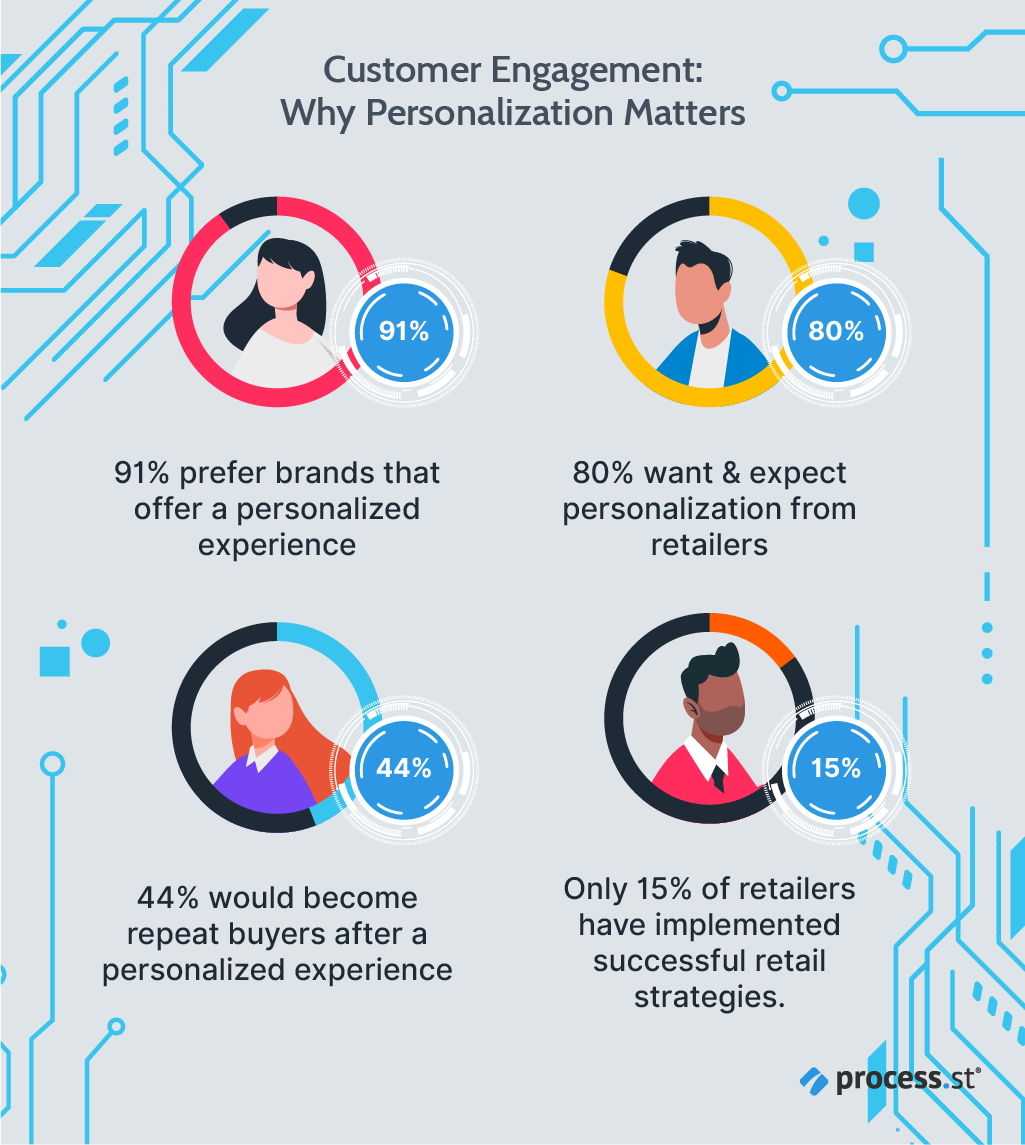
Automated personalization is another significant benefit. Instead of relying on manual segmentation, AI can dynamically adjust website content, email campaigns, and product recommendations in real-time based on individual customer profiles. This allows for truly one-to-one marketing and a more engaging customer experience. It’s about delivering the right message, to the right person, at the right time.
Let’s be clear: this isn’t about replacing human judgment. It’s about providing human teams with the insights they need to make better decisions, faster. For instance, instead of a support agent spending time sifting through a customer’s history, AI can surface the most relevant information and suggest potential solutions.
- Sentiment Analysis: Understand customer emotions from text.
- Churn Prediction: Identify customers at risk of leaving.
- Next-Best-Action Recommendations: Suggest optimal engagement strategies.
- Automated Personalization: Deliver tailored experiences in real-time.
CX Pain Points & AI Solutions
- High Cart Abandonment Rates - AI analytics can identify patterns in user behavior leading to cart abandonment. By analyzing session recordings, heatmaps (supported by tools like Hotjar integrated with CE 65), and funnel analysis, businesses can pinpoint friction points – such as complicated checkout processes or unexpected shipping costs – and implement targeted improvements.
- Low Customer Lifetime Value (CLTV) - Predictive analytics, a core component of CE 65, can forecast CLTV based on historical data, purchase patterns, and engagement metrics. This allows businesses to proactively identify high-potential customers and personalize experiences to foster loyalty and increase long-term value.
- Poor Net Promoter Score (NPS) - AI-powered sentiment analysis of customer feedback (from surveys, social media, and support interactions) can reveal the underlying reasons for low NPS scores. CE 65 can categorize feedback, identify recurring themes, and prioritize areas for improvement to enhance customer satisfaction.
- Inefficient Customer Service - AI can analyze customer support interactions (chat logs, call transcripts) to identify common issues, agent performance gaps, and opportunities for automation. CE 65 can help route customers to the most appropriate support channels and provide agents with real-time insights to resolve issues faster.
- Difficulty Personalizing Experiences - AI algorithms can segment customers based on a wide range of attributes – demographics, behavior, preferences – to deliver highly personalized experiences. CE 65 enables dynamic content personalization, targeted offers, and tailored recommendations, increasing engagement and conversion rates.
- Lack of Real-time Insights - Traditional business intelligence often relies on lagging indicators. CE 65 leverages real-time data streaming and AI-powered anomaly detection to identify emerging trends and potential issues as they happen, enabling businesses to respond quickly and proactively.
- Siloed Customer Data - Many organizations struggle with fragmented customer data across different systems. CE 65 integrates with various data sources (CRM, marketing automation, e-commerce platforms) to create a unified customer view, enabling a more holistic understanding of customer behavior and preferences. This unified view fuels more accurate AI-driven insights.
CE 65’s Approach: Unifying Data for a 360-Degree Customer View
The biggest challenge with AI-powered CX analytics isn’t the AI itself; it’s the data. Most businesses have customer data scattered across multiple systems – CRM, marketing automation, web analytics, e-commerce platforms, social media channels, and more. To get a truly accurate picture of the customer, you need to break down these silos and create a single customer view.
CE 65 is designed to do just that. We focus on integrating data from disparate sources, creating a unified profile for each customer. This allows us to see the complete customer journey, identify patterns that would otherwise be hidden, and make more informed decisions. We understand that data integration can be complex, and we work with our clients to ensure a smooth and seamless process.
Data quality is also paramount. Inaccurate or incomplete data can lead to flawed insights and poor decisions. CE 65 includes robust data cleansing and validation features to ensure the accuracy and reliability of our analytics. We believe that insights are only as good as the data they're based on.
While This unified view is the foundation for everything we do.
From Data to Action: Real-World Examples of CE 65 in Action
Let’s look at a retail example. A large apparel chain was struggling with high return rates. Using CE 65, they analyzed customer purchase data, website browsing behavior, and social media feedback. They discovered that a significant percentage of returns were due to inaccurate sizing information. They then implemented a new virtual fitting room feature on their website, powered by AI-driven size recommendations. This resulted in a 15% reduction in return rates and a significant increase in customer satisfaction.
Another client, a B2B software company, was facing challenges with customer churn. They used CE 65 to identify customers who were exhibiting signs of disengagement – decreased product usage, fewer support tickets, and negative sentiment in customer surveys. They proactively reached out to these customers with personalized support and training, resulting in a 10% improvement in customer retention.
A third example comes from a financial services company. They utilized CE 65 to analyze customer interactions across all channels – phone calls, emails, chat sessions, and social media. They identified a common pain point: customers were frustrated with the complexity of the online application process. They redesigned the process based on these insights, leading to a 20% increase in application completion rates.
These are just a few examples of how CE 65 is helping businesses transform their CX. The common thread is the ability to turn data into actionable insights and drive measurable results. It’s about understanding your customers better and delivering experiences that meet their needs.
The Role of Automation: Scaling Personalized Experiences
AI-powered analytics provides the insights, but automation is what allows you to act on those insights at scale. CE 65 integrates seamlessly with a variety of automation tools, enabling you to deliver personalized experiences to every customer, without requiring manual intervention. Think automated email campaigns triggered by specific customer behaviors, dynamic website content that adapts to individual preferences, and personalized product recommendations based on past purchases.
For example, if CE 65 identifies a customer who has abandoned their shopping cart, it can automatically trigger a personalized email with a special offer or a reminder of the items left behind. Or, if a customer is browsing a specific product category, it can dynamically display related products and promotions on the website.
It’s important to remember that automation isn’t about replacing human interaction altogether. It’s about freeing up your team to focus on more complex issues and building deeper relationships with customers. Automation can handle the routine tasks, allowing your agents to focus on providing exceptional service to those who need it most.
CE 65 helps make this happen by providing a central platform for managing and orchestrating automated workflows. This ensures that every customer receives a consistent and personalized experience, regardless of the channel they’re using.
Addressing the Challenges: Data Privacy and Ethical Considerations
The use of AI and data analytics raises important ethical considerations, particularly around data privacy and algorithmic bias. We take these issues very seriously at CE 65. We are committed to protecting customer data and ensuring that our analytics are fair and unbiased.
We adhere to all relevant data privacy regulations, including GDPR and CCPA. We employ robust security measures to protect customer data from unauthorized access and use. We also provide our clients with tools to manage data privacy and ensure compliance.
Algorithmic bias is another concern. AI algorithms are trained on data, and if that data reflects existing biases, the algorithms will perpetuate those biases. We actively work to mitigate algorithmic bias by using diverse datasets, regularly auditing our algorithms, and implementing fairness constraints.
Transparency is also crucial. We believe that customers have the right to understand how their data is being used and how AI is influencing their experiences. We provide clear and concise explanations of our analytics and are committed to being open and honest about our practices.
Looking Ahead: The Future of AI-Driven CX with CE 65
The field of AI-powered CX analytics is evolving rapidly. Emerging trends like generative AI and the metaverse are poised to further transform the customer experience. Generative AI, for example, can be used to create hyper-personalized content and automate customer interactions at scale. The metaverse offers new opportunities for immersive and engaging customer experiences.
CE 65 is actively exploring these trends and investing in research and development to ensure that our platform remains at the forefront of innovation. We’re particularly interested in the potential of generative AI to create more human-like and empathetic customer interactions. We also believe that the metaverse will create new opportunities for businesses to connect with their customers in more meaningful ways.
However, it’s important to be realistic. These technologies are still in their early stages of development, and it will take time for them to mature and become widely adopted. The focus should be on practical applications and delivering tangible benefits to customers.
Ultimately, the future of CX is about creating experiences that are personalized, seamless, and emotionally resonant. AI-powered analytics will play a critical role in achieving this vision, and CE 65 is committed to helping businesses navigate this exciting new landscape. We’re focused on providing the tools and insights they need to build stronger customer relationships and drive sustainable growth.
No comments yet. Be the first to share your thoughts!