

B2B expectations are shifting
B2B buyers are getting pickier. They want the same ease they get from consumer apps, but applied to complex contracts and multi-stakeholder deals. If you're still relying on a good product alone, you're going to lose to competitors who actually make the buying process easy.
This isn’t a new concept, of course. The GSA’s Customer Experience Playbook acknowledges that customer experience management isn’t a novel idea – many organizations have been working on it for some time. What is new is the degree of focus being placed on CX, driven by initiatives like the President’s Management Agenda and a broader recognition of its impact on business outcomes. It’s a shift from CX being "a nice-to-have" to a fundamental requirement.
However, many B2B organizations are still playing catch-up. They’ve historically focused on product quality and sales efficiency, often neglecting the overall customer experience. This is particularly true for companies with legacy systems and siloed departments. The challenge now is to build a customer-centric culture and invest in the technologies needed to deliver truly exceptional experiences. The next few years will separate those who view CX as a cost center from those who see it as a strategic advantage.
The reality of omnichannel in B2B
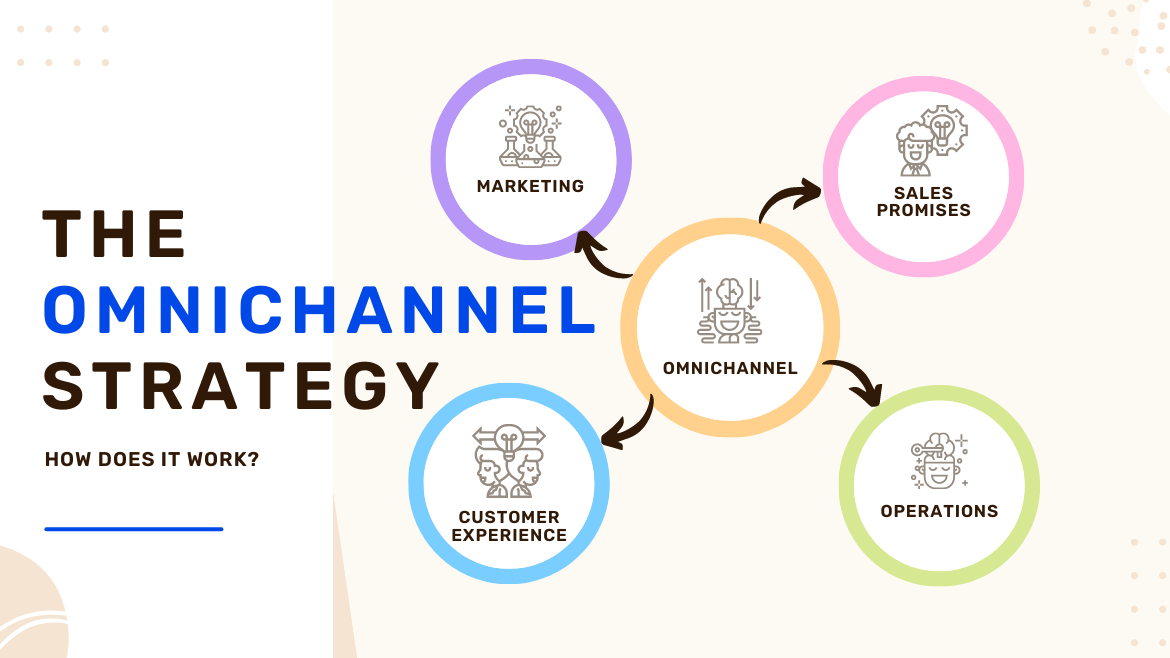
Omnichannel isn’t simply about being present on multiple channels—it’s about creating a unified and integrated experience for the customer. In the B2B context, this means connecting everything from self-service portals and email marketing to sales calls and account management platforms. A truly omnichannel approach requires a single view of the customer, regardless of how they choose to interact with your business.
Too often, B2B companies fall into the trap of multi-channel marketing, where channels operate in isolation. This creates friction for the customer, forcing them to repeat information or start over with each interaction. Siloed systems are a major contributor to this problem. The goal is to break down these silos and create a seamless flow of information between departments and channels.
We built CE 65 to plug into the systems you already use. Effective account-based marketing is impossible if your data is stuck in one place. When you see what an account is doing across every channel, you can send them things they actually want to read.
Fixing fragmented data
One of the biggest hurdles to delivering a seamless B2B customer experience is fragmented data. Information about a single customer is often scattered across multiple systems—CRMs like Salesforce, ERPs like SAP, marketing automation platforms like Marketo, and various other data sources. This makes it difficult to get a complete picture of the customer’s journey and their evolving needs.
CE 65 focuses on solving this problem by providing robust data integration capabilities. The platform is designed to connect these disparate data sources, creating a single customer view that’s accessible to all relevant teams. This unified view enables personalized interactions, proactive support, and more effective account management. It’s about turning data silos into a source of competitive advantage.
Bad data is just as dangerous as siloed data. If your CRM is full of duplicates or old contacts, your outreach will fail. CE 65 includes tools to clean and validate these records so you aren't guessing if an email address is still active.
B2B Data Integration Approaches for Omnichannel CXM – A Comparative Analysis
| Integration Approach | Cost | Complexity | Scalability | Real-time Capabilities |
|---|---|---|---|---|
| ETL (Extract, Transform, Load) | Generally lower initial cost, but ongoing maintenance can be significant. | High – Requires substantial data modeling and transformation expertise. | Moderate – Scalability often requires significant infrastructure investment and redesign. | Limited – Typically batch-oriented, resulting in data latency. |
| Data Virtualization | Moderate – Licensing costs can be substantial, but reduces data movement costs. | Moderate – Requires skilled data architects to create virtual data models. | High – Can scale effectively by leveraging existing infrastructure. | Moderate – Near real-time capabilities are possible, dependent on underlying data source refresh rates. |
| API-led Connectivity | Moderate to High – Development and maintenance of APIs require ongoing investment. | Moderate – Requires API design and management expertise, but promotes reusability. | High – Highly scalable through API orchestration and microservices architecture. | High – Enables real-time data exchange and event-driven architectures. |
| Change Data Capture (CDC) | Moderate – Requires specialized tools and expertise. | Moderate to High – Implementing CDC requires careful planning and monitoring. | High – Scales well with data volume and velocity. | High – Provides low-latency data replication and real-time insights. |
| Data Warehouse Federation | Moderate – Relies on existing data warehouse infrastructure. | Moderate – Requires careful schema mapping and query optimization. | Moderate – Scalability is limited by the capacity of the federated data warehouses. | Limited – Typically supports near real-time reporting, but not true real-time interactions. |
| Message Queues (e.g., Kafka) | Moderate – Infrastructure and operational costs. | Moderate – Requires expertise in message queueing systems. | High – Designed for high-throughput and scalable data streaming. | High – Enables real-time event-driven integration. |
Illustrative comparison based on the article research brief. Verify current pricing, limits, and product details in the official docs before relying on it.
Moving automation past marketing
Automation is often associated with marketing, but its potential extends far beyond lead generation and email campaigns. In the B2B world, automation can streamline a wide range of customer interactions, from onboarding new clients to providing proactive support and personalized recommendations. The key is to use automation strategically, focusing on tasks that are repetitive or time-consuming.
Intelligent automation—powered by AI and machine learning—takes this a step further. It can anticipate customer needs, identify potential issues, and proactively offer solutions. For example, an AI-powered chatbot could answer common questions, resolve simple issues, or escalate complex requests to a human agent. This not only improves the customer experience but also frees up valuable time for your team.
I see too many companies stop at email automation. CE 65 automates the boring parts of onboarding and support too. It's about making the whole process faster for the customer, not just the sales team.
Personalizing for accounts at scale
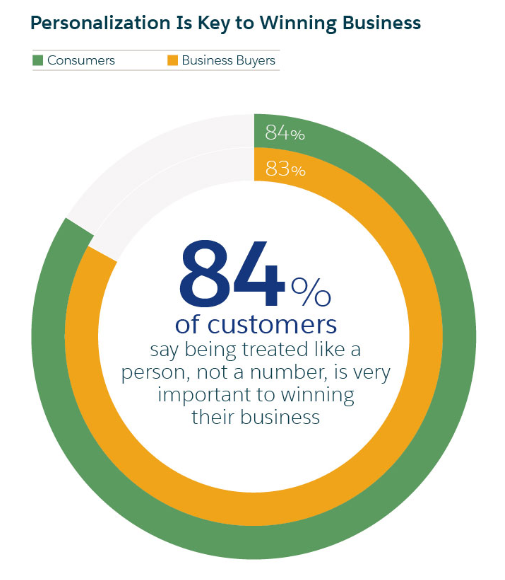
Personalization is particularly important in the B2B context, where relationships are often long-term and high-value. However, simply using a customer’s name in an email isn’t enough. True personalization requires a deep understanding of each account’s specific needs, challenges, and goals. This is where account-based marketing (ABM) comes into play.
ABM focuses on delivering tailored experiences to key accounts, rather than treating all customers the same. This involves using dynamic content, personalized messaging, and account-level insights to create a more relevant and engaging experience. For instance, a sales representative could use data from CE 65 to identify the key decision-makers within an account and tailor their outreach accordingly.
CE 65 supports ABM initiatives by providing tools for account segmentation, content personalization, and performance tracking. It helps B2B companies move beyond superficial personalization and deliver truly meaningful experiences that drive engagement and build stronger relationships. It’s about understanding that each account is unique and treating them as such.
New ways to measure success
Traditional CX metrics, like Net Promoter Score (NPS), can be useful, but they often fall short in a B2B context. B2B buying decisions are typically more complex and involve multiple stakeholders, making it difficult to capture a single, representative score. New metrics are becoming increasingly important for measuring the success of B2B CX initiatives.
Customer Lifetime Value (CLTV) is one such metric. It provides a long-term view of the value of each customer relationship. Account Renewal Rate is another key indicator, as it reflects customer satisfaction and loyalty. Time to Value—how quickly customers realize the benefits of your product or service—is also gaining traction. These metrics are more closely tied to business outcomes than traditional CX scores.
CE 65’s analytics capabilities help B2B companies track and improve these metrics. The platform provides real-time data and actionable insights, enabling organizations to identify areas for improvement and measure the ROI of their CX investments. I think the ability to connect CX improvements to bottom-line results is crucial for securing buy-in from leadership.


No comments yet. Be the first to share your thoughts!