

Beyond the Hype: Metaverse CX in 2026
The metaverse isn't arriving as a single, unified space, but rather as a collection of evolving 3D virtual environments. By 2026, I believe we’ll see a stabilization of these spaces, less focused on the flashy promises of full immersion and more on practical applications for both businesses and consumers. Forget ready player one; think persistent, shared spaces where specific tasks – shopping, training, collaboration – are performed more effectively than through traditional channels.
For the purposes of this article, when I say 'metaverse,' I’m referring to these persistent, shared 3D virtual worlds, accessible through various devices, where users can interact with each other and digital objects. It’s a shift from the 2D web and mobile experiences we’re accustomed to, demanding a new approach to customer experience. The key difference isn’t just the technology, it’s the sense of presence – the feeling of actually being somewhere with someone else.
This isn't about replacing existing digital channels. It's about adding new ones, extending the customer journey into immersive environments. The early hype cycle has been intense, but the real opportunity lies in understanding how these spaces can solve specific business problems and enhance customer engagement. We’re moving beyond experimentation and into a phase of purposeful implementation, and that’s where the real value will emerge.
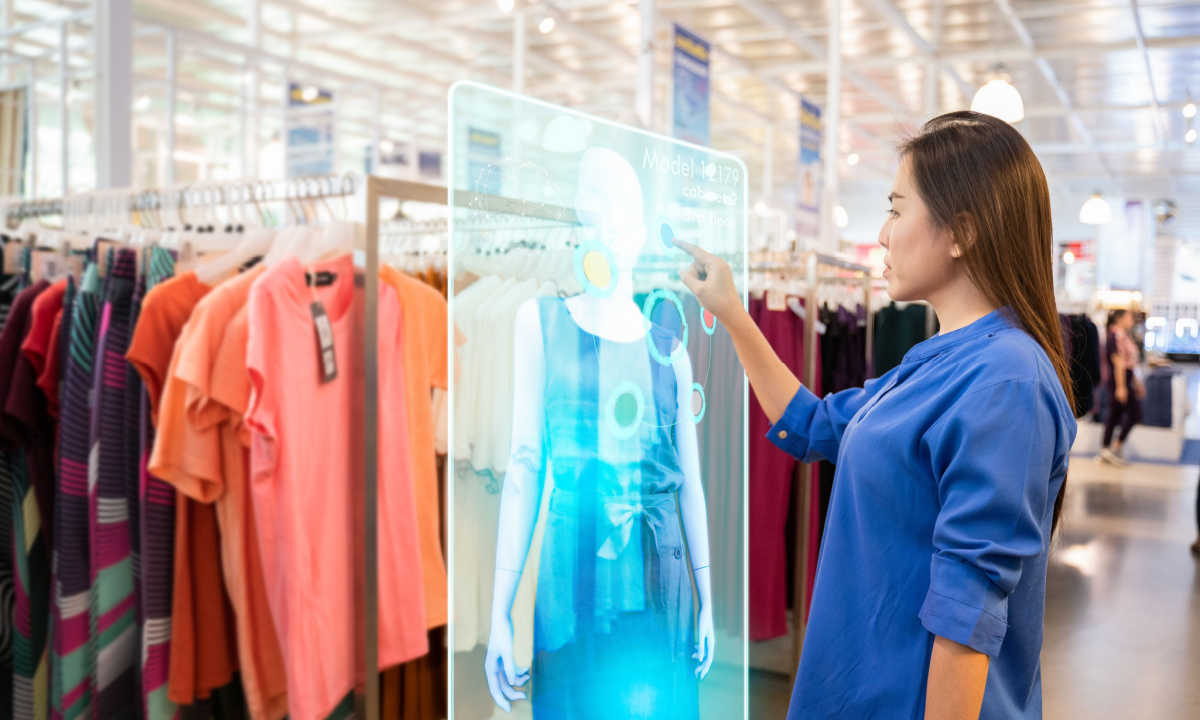
Virtual commerce in retail
Retail is arguably leading the charge into the metaverse, and for good reason. The ability to create immersive shopping experiences offers a compelling alternative to traditional e-commerce. Virtual storefronts allow brands to showcase products in new and engaging ways, offering customers a more tactile and personalized experience. Think of it as a digital flagship store, accessible to anyone, anywhere.
The potential goes far beyond simply replicating a physical store online. Virtual try-ons, powered by AR and AI, are already becoming commonplace. Customers can "try on" clothes, makeup, or even furniture in their own virtual spaces before making a purchase. Personalized avatars allow shoppers to express their individuality and receive tailored recommendations. Gamified shopping experiences, with rewards and challenges, can drive engagement and loyalty.
Successful brands are focusing on seamless integration between the physical and virtual worlds. For example, Nike’s Nikeland on Roblox allows users to design their own virtual spaces and compete in mini-games, reinforcing brand affinity and driving sales of physical products. Farfetch, the online luxury fashion retailer, has partnered with Stadium Goods to create virtual stores in the metaverse. The key is to create experiences that are genuinely valuable and enjoyable, not just gimmicks.
Early adopters are doing a few things particularly well: they’re prioritizing community building, offering exclusive virtual items and experiences, and leveraging the metaverse to gather valuable customer data. They understand that the metaverse isn’t just a sales channel; it’s a platform for building relationships and fostering brand loyalty.
- Virtual storefronts that act as immersive brand hubs
- Personalized avatars: Enhanced self-expression.
- Virtual try-ons: Reduce return rates and boost confidence.
- Gamified shopping: Drive engagement and reward loyalty.
Retailers in the Metaverse
- Nike – Through its platform, Nikeland, hosted within Roblox, Nike offers virtual apparel, footwear, and experiences. Users can participate in sports-themed games and customize avatars with Nike products, fostering brand engagement and a digital community.
- Gucci – Gucci has established a presence on Roblox with Gucci Garden Archetypes, a temporary immersive experience inspired by its real-world exhibition. Visitors could explore themed rooms and purchase limited-edition digital Gucci items.
- Walmart – Walmart has been experimenting with virtual shopping experiences on Roblox, creating ‘Walmart Land’ and ‘Walmart’s Universe of Play’. These spaces offer interactive games, virtual merchandise (branded avatar items), and entertainment, aiming to attract younger shoppers.
- Forever 21 – Forever 21 launched ‘Forever 21 Shop City’ on Roblox, allowing users to browse and purchase virtual clothing for their avatars. This initiative targets Gen Z consumers and provides a new revenue stream through digital fashion.
- Ralph Lauren – Ralph Lauren has partnered with Roblox to launch the ‘Ralph Lauren Winterscape’ experience. This virtual world allows users to explore a winter-themed environment, dress their avatars in Ralph Lauren apparel, and participate in brand-related activities.
- Wendy’s – Wendy’s notably created a virtual experience within Fortnite where players could destroy freezers to protest the use of frozen beef by competitors. This unconventional marketing campaign garnered significant attention and demonstrated a creative use of the metaverse for brand messaging.
- Hyundai – Hyundai Motor Company created ‘Hyundai Mobility Adventure’ on Roblox, showcasing its future mobility solutions and technologies. Users can explore virtual environments, test drive vehicles, and learn about Hyundai’s vision for the future of transportation.
B2B collaboration and training
The metaverse presents a significant opportunity to transform B2B interactions, moving beyond traditional video conferencing and presentations. Virtual showrooms allow businesses to showcase complex products and solutions in a dynamic and engaging way. Product training simulations provide a safe and cost-effective environment for employees to learn new skills.
Consider a manufacturing company that sells large, complex machinery. Instead of relying on brochures and videos, they can create a virtual showroom where potential customers can explore the equipment in detail, interact with it, and even simulate its operation. This immersive experience can significantly accelerate the sales cycle and improve close rates.
Virtual events and conferences are also gaining traction. These events offer a more engaging and interactive experience than traditional webinars, allowing attendees to network with peers, attend presentations, and explore virtual exhibits. They can also reach a wider audience, as there are no geographical limitations. The ability to facilitate stronger relationships with key accounts is a major benefit.
I'm seeing a shift in how B2B sales teams are thinking about their approach. The metaverse isn't just about demonstrating products; it's about building trust and establishing a deeper connection with customers. This can lead to larger deal sizes and longer-term partnerships.
- Build virtual showrooms to let clients explore machinery details
- Step 2: Develop interactive product training simulations.
- Step 3: Host virtual events and conferences.
- Step 4: Facilitate remote collaboration spaces for teams.
Measuring engagement with new metrics
Measuring customer experience in the metaverse requires a new set of metrics. Traditional metrics like website bounce rate or time on page simply don’t translate well to immersive 3D environments. We need to focus on understanding how users are behaving and feeling within these spaces.
Dwell time, or the amount of time a user spends in a virtual environment, is a good starting point, but it’s not enough. We also need to track interaction frequency – how often users are interacting with objects, other users, or the environment itself. Pathing analysis can reveal how users navigate through a virtual space, identifying areas of interest and potential friction points.
More advanced metrics include emotional response, which can be measured using biometrics (like eye tracking or facial expression analysis) or sentiment analysis of in-world communications. Understanding how users feel is crucial for optimizing the experience. CE 65’s AI-Powered Customer Experience Analytics platform is adapting to incorporate these new data sources, providing businesses with a holistic view of their metaverse CX.
CE 65’s capabilities extend beyond simple data collection. Our platform uses AI to identify patterns and insights, helping businesses understand what’s working and what’s not. We can help you track key performance indicators (KPIs), identify areas for improvement, and personalize the experience for individual users. You can.
Automation & Personalization at Scale
Automation is essential for managing a metaverse presence at scale. Maintaining a virtual environment and providing personalized experiences requires significant resources. Virtual assistants and chatbots can handle routine inquiries, provide support, and guide users through the environment. AI-powered recommendation engines can suggest relevant products or experiences based on user behavior.
Dynamic content, which adapts to individual user preferences and behaviors, is another key element of personalization. For example, a virtual storefront could display different products to different users based on their past purchases or browsing history. Personalized avatars can create a sense of connection and rapport, making users feel more valued and engaged.
The goal is to create a sense of presence and connection with customers in virtual spaces. This requires a delicate balance between automation and human interaction. While automation can handle routine tasks, it’s important to have human agents available to assist with more complex issues.
CE 65’s automation capabilities can help businesses streamline their metaverse operations and deliver personalized experiences at scale. Our platform integrates with a variety of virtual environments and provides tools for creating and managing automated workflows. This reduces the cost of maintaining a metaverse presence and ensures a consistent, high-quality experience for all users.
- Virtual Assistants: Handle routine inquiries and provide support.
- AI-powered recommendations: Suggest relevant products and experiences.
- Dynamic content: Adapt to individual user preferences.
- Personalized avatars: Create a sense of connection.
Building Blocks: Platforms and Technologies
Several platforms are vying to become the dominant players in the metaverse space. Roblox, with its large user base and focus on user-generated content, is a popular choice for brands looking to reach younger audiences. Decentraland and The Sandbox are blockchain-based platforms that offer greater control and ownership to users.
Spatial is a platform that focuses on virtual collaboration and events, offering a more professional environment for B2B interactions. Each platform has its own strengths and weaknesses, and the best choice will depend on your specific needs and goals. There isn't a single 'best' platform, it's about finding the right fit.
Underpinning these platforms are a number of key technologies, including VR/AR headsets, blockchain, and NFTs. VR/AR headsets provide the immersive experience that defines the metaverse. Blockchain technology enables secure and transparent transactions, while NFTs provide a way to represent ownership of digital assets.
The trade-offs between centralized and decentralized platforms are significant. Centralized platforms offer greater control and scalability, while decentralized platforms offer greater transparency and user ownership. The future of the metaverse will likely involve a hybrid approach, combining the best of both worlds.
Metaverse Platform Comparison: Considerations for B2B & Retail CX in 2026
| Platform | Target Audience Focus | Development Complexity | Customization Flexibility | Integration Potential |
|---|---|---|---|---|
| Roblox | Younger demographics, gaming-oriented | Moderate - Lua scripting required | High - Extensive asset library & scripting | Growing - API access available, but can be limited |
| Decentraland | Crypto-native users, digital art enthusiasts | Moderate - Scene editor & SDK available | Very High - Full control over land & assets | Moderate - Blockchain integration is core, other integrations developing |
| Spatial | Professional networking, events, collaboration | Low - User-friendly interface, no coding needed | Moderate - Template-based customization | High - Integrates with web conferencing & collaboration tools |
| Horizon Worlds | Meta ecosystem users, social experiences | Moderate - World-building tools, scripting in progress | Moderate - Focus on social interaction & environment design | Moderate - Primarily within Meta ecosystem, expanding |
| Somnium Space | VR enthusiasts, land ownership, immersive experiences | High - Requires VR development expertise | Very High - Full control over environment and interactions | Moderate - Blockchain-based, integrations are evolving |
Qualitative comparison based on the article research brief. Confirm current product details in the official docs before making implementation choices.
No comments yet. Be the first to share your thoughts!