

The Retail Revolution: Why AI-Powered Customer Experience Analytics Matter Now
Retail isn’t just changing; it’s being fundamentally reshaped. The days of relying on gut feelings or lagging indicators are over. Customers now expect personalized, seamless experiences across every touchpoint, and they’ll quickly abandon brands that can’t deliver. This isn't just about adding a chatbot or tweaking a website; it's about building a customer-centric operation from the ground up.
Traditional customer analytics, focused on historical data and broad segmentation, simply can’t keep pace. They tell you what happened, but not why it happened, or—more importantly—what’s about to happen. We've seen many retail technologies come and go, but this feels different. AI isn't just another tool; it’s becoming the operating system for retail success.
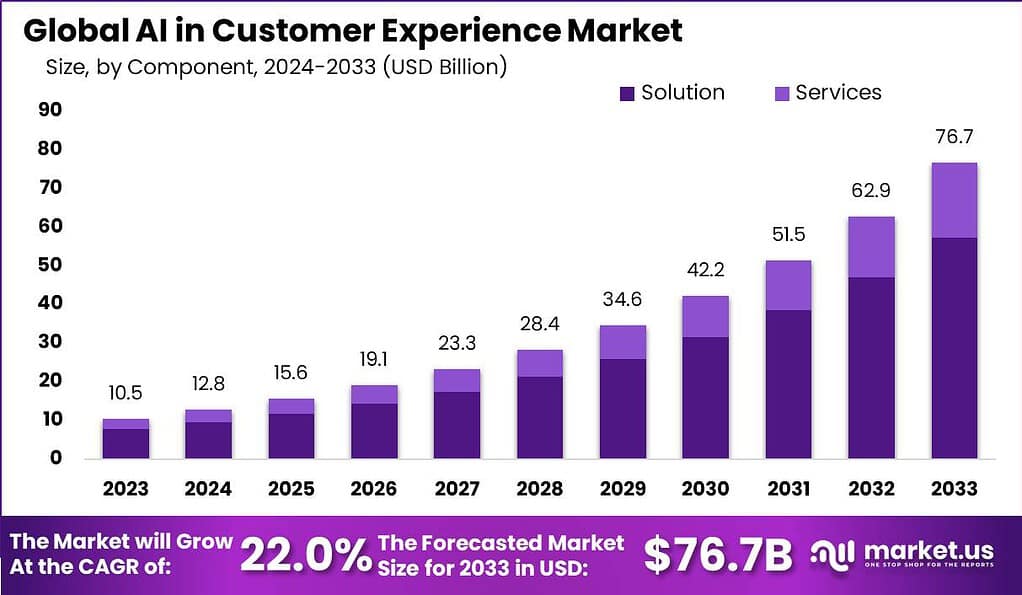
AI-powered customer experience analytics provide a solution. They leverage machine learning to analyze vast datasets in real-time, uncovering hidden patterns and predicting customer behavior with unprecedented accuracy. This allows retailers to move beyond reactive problem-solving to proactive engagement, anticipating needs and delivering personalized experiences at scale. According to McKinsey, retailers implementing AI-powered personalization report a 10-15% increase in revenue and a remarkable up to 40% higher customer retention rates.
The implications are huge. It’s no longer enough to simply have a digital presence; you need to understand how customers interact with it, and use that understanding to create truly exceptional experiences. Ignoring this shift isn’t an option for retailers looking to thrive in 2024 and beyond.
Decoding the Customer: Real-Time Data Processing and the End of Guesswork
AI's power lies in its ability to process data at speeds and scales impossible for humans. Traditional analytics often rely on batch processing – collecting data over a period of time and analyzing it later. By then, the moment has passed. Imagine trying to steer a ship based on charts drawn yesterday – that’s the challenge retailers face with outdated analytics.
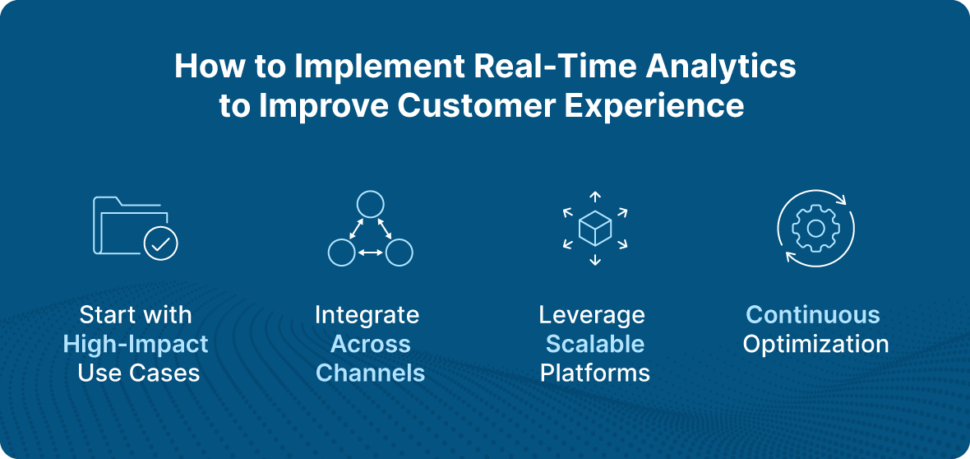
AI systems analyze data as it happens. This real-time processing allows retailers to identify and respond to customer needs instantly. For example, if a customer struggles to complete a purchase on your website, an AI system can automatically trigger a live chat offer or suggest helpful resources. Or a potential fraud attempt can be flagged the moment it occurs, protecting both the customer and the business.
Consider a customer service scenario. With real-time analysis, an AI system can detect frustration in a customer’s chat message and route them to a more experienced agent, or even proactively offer a solution before the customer explicitly asks for help. This shift from reactive to proactive service changes the game. It’s about anticipating needs, not just responding to complaints.
This isn’t just about faster response times; it’s about a fundamentally different approach to customer engagement. It's about understanding intent, predicting behavior, and creating moments of delight. It's about replacing guesswork with data-driven certainty.
Beyond Segmentation: AI and the Rise of Hyper-Personalization
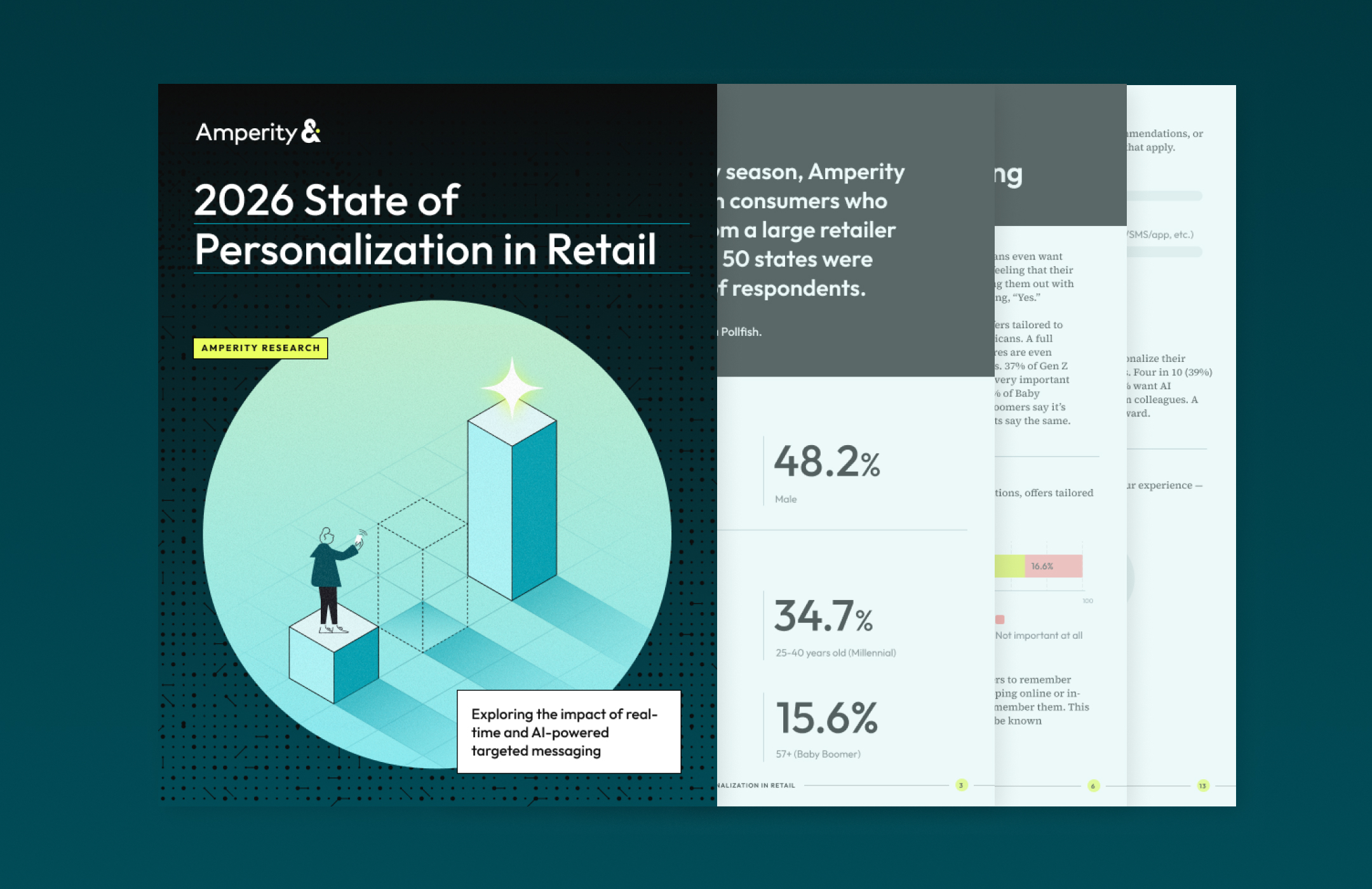
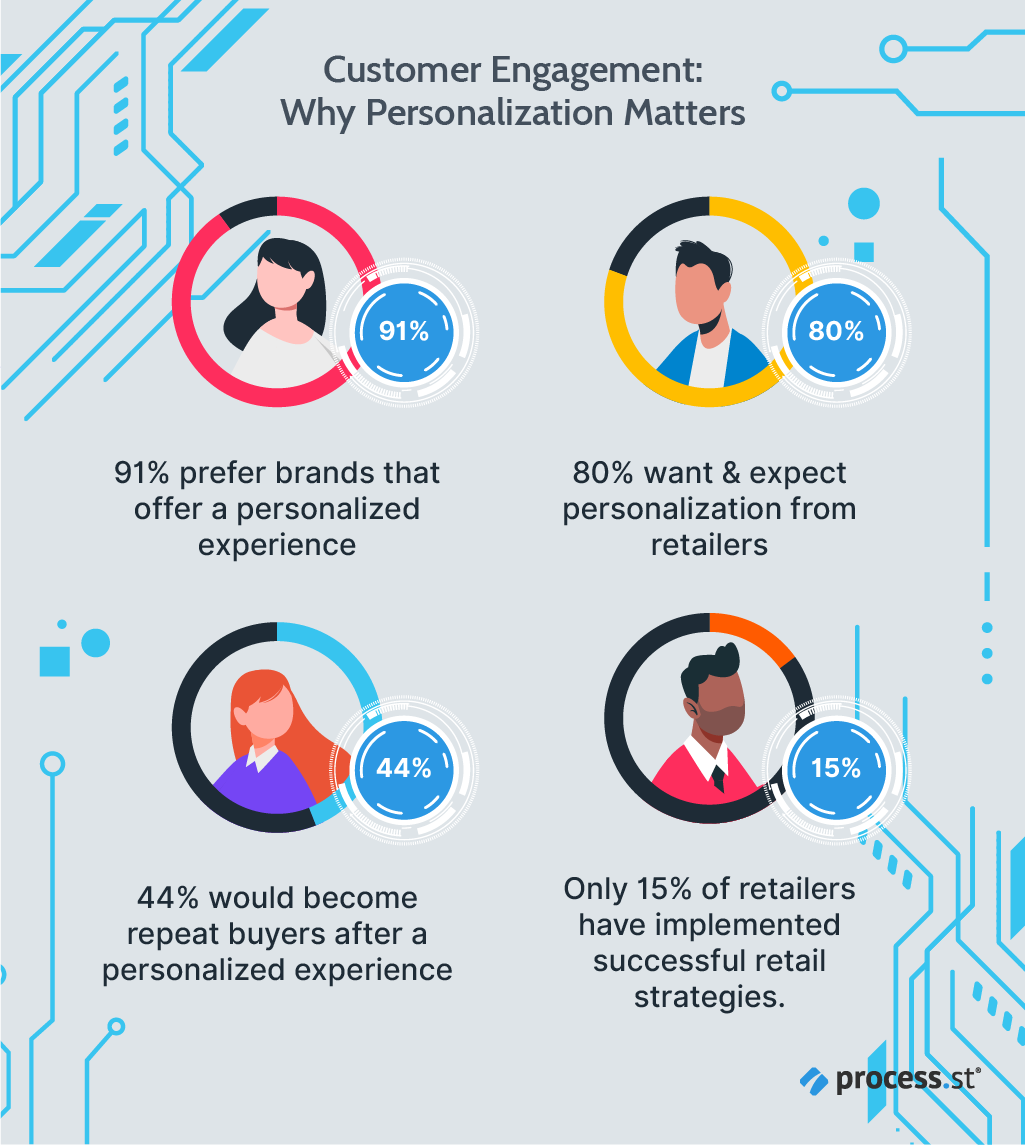
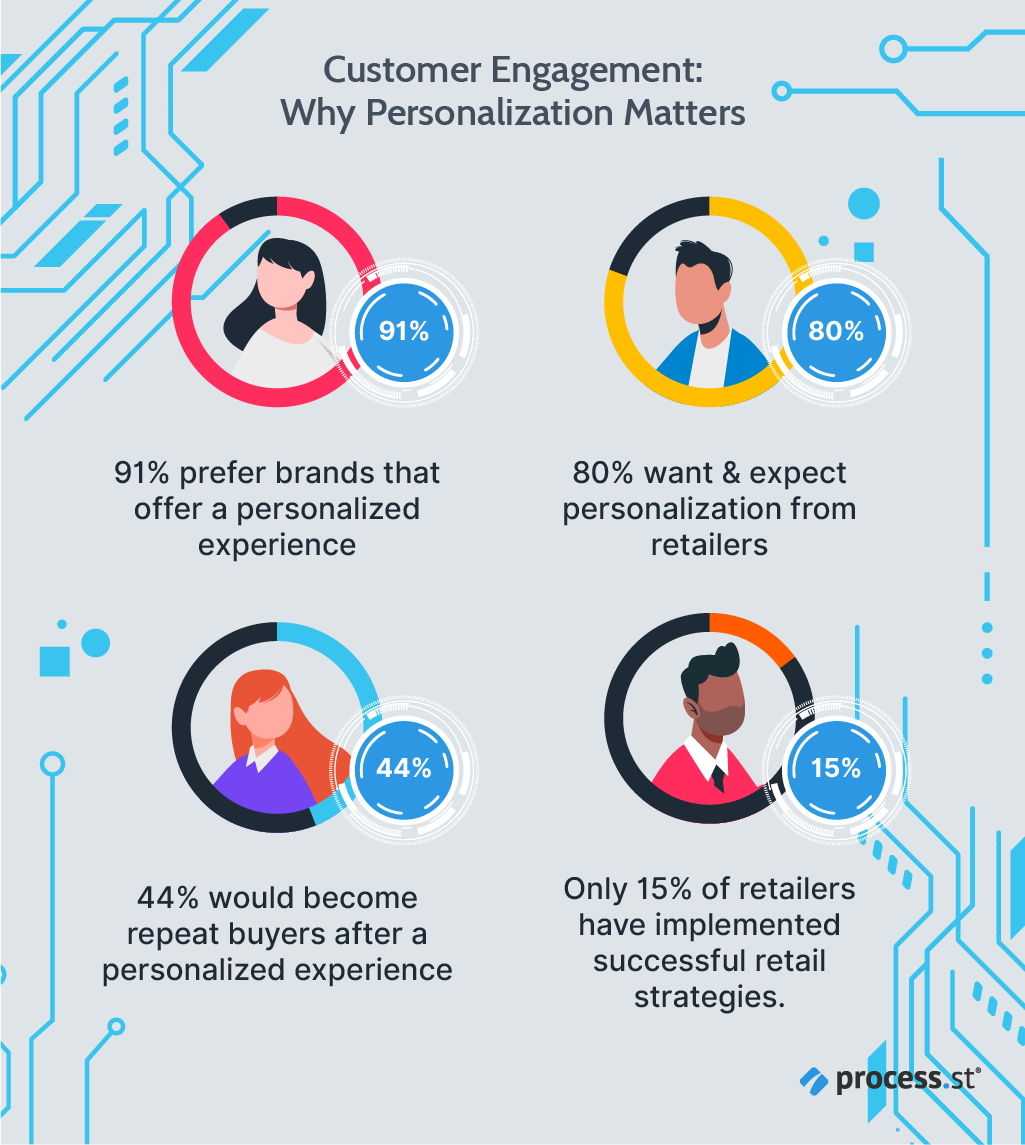
For years, retailers have grouped customers based on demographics, purchase history, or other broad characteristics. This approach is limited. It treats individuals as members of a group, ignoring their unique preferences. AI allows us to move beyond segmentation to hyper-personalization, tailoring experiences to the individual level.
AI algorithms can analyze many data points to create a 360-degree view of each customer. This includes purchase history, browsing behavior, contextual data like location, weather, time of day, and social media activity. This data is then used to predict what each customer wants.stomer will want, and when they’ll want it.
Think about product recommendations. Instead of simply suggesting items that are popular with other customers, AI can recommend products that are specifically tailored to an individual’s tastes and preferences. Amazon’s “Customers who bought this item also bought…” feature is a basic example, but AI can take this much further, factoring in real-time browsing behavior and contextual data.
Personalization extends beyond product recommendations. It can also include tailored email campaigns, dynamic website content, personalized offers, and even customized customer service interactions. However, it’s crucial to personalize responsibly. Transparency is key. Customers need to understand how their data is being used, and they need to have control over their privacy. Providing clear opt-out options is a must.
I've seen successful implementations where retailers use AI to adjust website content based on a visitor's past interactions, showing different banners, promotions, or even product categories. This level of personalization can dramatically increase engagement and conversion rates.
How Personalized is *Your* Shopping Experience?
Artificial intelligence is rapidly changing how retailers understand and cater to their customers. This short quiz explores recent online shopping experiences to gauge how well *you* are being understood as an individual shopper. Answer honestly to discover your 'Personalization Score' and learn how retailers are leveraging AI to create more relevant experiences.
The Omnichannel Advantage: Stitching Together a Seamless Customer Journey
Customers no longer view online and offline channels as separate entities. They expect a seamless, consistent experience regardless of how they choose to interact with a brand. Omnichannel retail isn’t just about having multiple channels; it’s about making them work together harmoniously. This is where AI truly shines.
AI enables retailers to create unified customer profiles, aggregating data from all touchpoints – online, in-store, mobile, social media, and customer service interactions. This 360-degree view allows retailers to understand a customer’s entire journey, and to personalize experiences accordingly.
Consider a customer who starts a purchase online but abandons their cart. An AI-powered system can automatically send them a personalized email with a reminder and a special offer. Or, if that customer later visits a physical store, a sales associate can access their online shopping history and provide tailored recommendations. This is the power of a connected omnichannel experience.
Seamless returns are another critical component. AI can facilitate a hassle-free return process regardless of where the item was purchased, allowing customers to return items online or in-store with equal ease. The key is to eliminate friction and make the customer’s life easier. It’s about recognizing that the customer journey isn’t linear, and providing a consistent experience at every step.
Operational Efficiency: AI Behind the Scenes in Modern Retail
AI’s impact on retail extends far beyond customer-facing applications. It’s also revolutionizing internal operations, from inventory management to supply chain optimization. These improvements may not be immediately visible to customers, but they translate into better experiences – faster shipping, fewer out-of-stock items, and more competitive pricing.
AI-powered inventory management systems can predict demand with greater accuracy, reducing waste and ensuring that the right products are available at the right time. Supply chain optimization algorithms can identify bottlenecks and inefficiencies, streamlining logistics and reducing costs. Fraud detection systems can protect both the business and its customers from fraudulent transactions.
Take the example of Walmart. They’ve invested heavily in AI-powered supply chain solutions, allowing them to optimize delivery routes, reduce transportation costs, and improve inventory accuracy. This has resulted in significant savings and a better customer experience. Their use of AI to predict demand during peak seasons is particularly impressive.
AI also plays a role in dynamic pricing. By analyzing real-time data on demand, competitor pricing, and inventory levels, retailers can adjust prices to maximize revenue and optimize sales. This isn't about gouging customers; it's about finding the optimal price point that balances profitability and customer value.
Generative AI: The Next Frontier for Retail Insights and Creativity
Generative AI represents the next wave of innovation in retail analytics. Unlike traditional AI, which focuses on analyzing existing data, generative AI can create new content – text, images, videos, and more. This opens up a world of possibilities for retailers.
Imagine using generative AI to automatically create compelling product descriptions, tailored to specific customer segments. Or using it to design personalized marketing materials, based on individual preferences. Generative AI can also help retailers identify emerging trends and anticipate customer needs by analyzing vast amounts of unstructured data.
The potential applications are vast. From designing virtual try-on experiences to creating personalized shopping assistants, generative AI is poised to transform the retail landscape. It can even assist in trend forecasting, helping retailers stay ahead of the curve.
However, it’s important to approach generative AI with caution. The technology is still evolving, and there are ethical considerations to address. Ensuring the accuracy and originality of generated content is crucial, and retailers need to be mindful of potential biases.
Building an AI-Ready Retail Organization: Challenges and Considerations
Implementing AI-powered analytics isn’t a simple plug-and-play solution. It requires careful planning, investment, and a commitment to change. One of the biggest challenges is data quality. AI algorithms are only as good as the data they’re trained on, so ensuring data accuracy, completeness, and consistency is paramount.
Integration with existing systems can also be complex. Retailers often have a patchwork of legacy systems that don’t easily communicate with each other. Breaking down these silos and creating a unified data platform is essential. This often requires significant investment in new infrastructure and software.
There’s also a skills gap to consider. Retailers need to hire or train employees with the expertise to build, deploy, and maintain AI systems. Data scientists, machine learning engineers, and AI specialists are in high demand. A strong data governance framework is also crucial, ensuring that data is used ethically and responsibly.
Change management is perhaps the most overlooked aspect. Implementing AI requires a shift in mindset and a willingness to embrace new ways of working. Employees need to be trained on how to use AI tools and how to interpret the insights they provide. Resistance to change can be a significant obstacle.
- Data Quality: Ensure data accuracy, completeness, and consistency.
- System Integration: Break down data silos and create a unified platform.
- Skills Gap: Hire or train employees with AI expertise.
- Change Management: Foster a culture of data-driven decision-making.
The CE65 Advantage: How Our Platform Empowers AI-Driven Retail Success
At CE65, we understand the challenges retailers face in adopting AI-powered analytics. That’s why we’ve built a comprehensive customer experience platform designed to simplify the process and deliver tangible results. Our platform provides a unified view of the customer, integrating data from all touchpoints to create a 360-degree profile.
CE65 offers a suite of AI-powered tools for customer experience analytics, personalization, and automation. Our platform’s architecture is designed for scalability and flexibility, allowing you to easily integrate with your existing systems. We offer pre-built AI models for common retail use cases, such as product recommendations, fraud detection, and churn prediction.
Unlike building a solution in-house, CE65 provides a faster time to value and reduces the risk of failure. We handle the complexities of data integration, model development, and infrastructure management, allowing you to focus on what you do best – running your business. Our platform isn’t just about technology; it’s about partnership.
We work closely with our clients to understand their specific needs and develop customized solutions that deliver measurable results. We believe that AI should empower retailers to build stronger customer relationships, drive revenue growth, and achieve sustainable success. We don’t just sell software; we deliver a competitive advantage.
No comments yet. Be the first to share your thoughts!