


Kickstarting Your Journey: A Beginner's Guide to Customer Experience Design 🚀
Welcome to the exciting world of customer experience design! A realm where business meets empathy, innovation intertwines with practicality, and where mastering its art can catapult your business to new heights. But what exactly is this design wizardry and why should it matter to you?
Imagine walking into a store, where every little detail, from the lighting to the music, is tailored just for you. That's customer experience design at its best - a carefully crafted journey that leaves customers delighted and businesses thriving. It's the secret sauce behind retail customer experience optimization and B2B customer experience enhancement.
Whether you're a small business owner or a titan of industry, this customer experience design guide will equip you with the tools to create memorable experiences that keep customers coming back for more. Ready to master the art of customer experience design? Let's dive in!

Walking in Their Shoes: Decoding Your Customer's Journey 👣
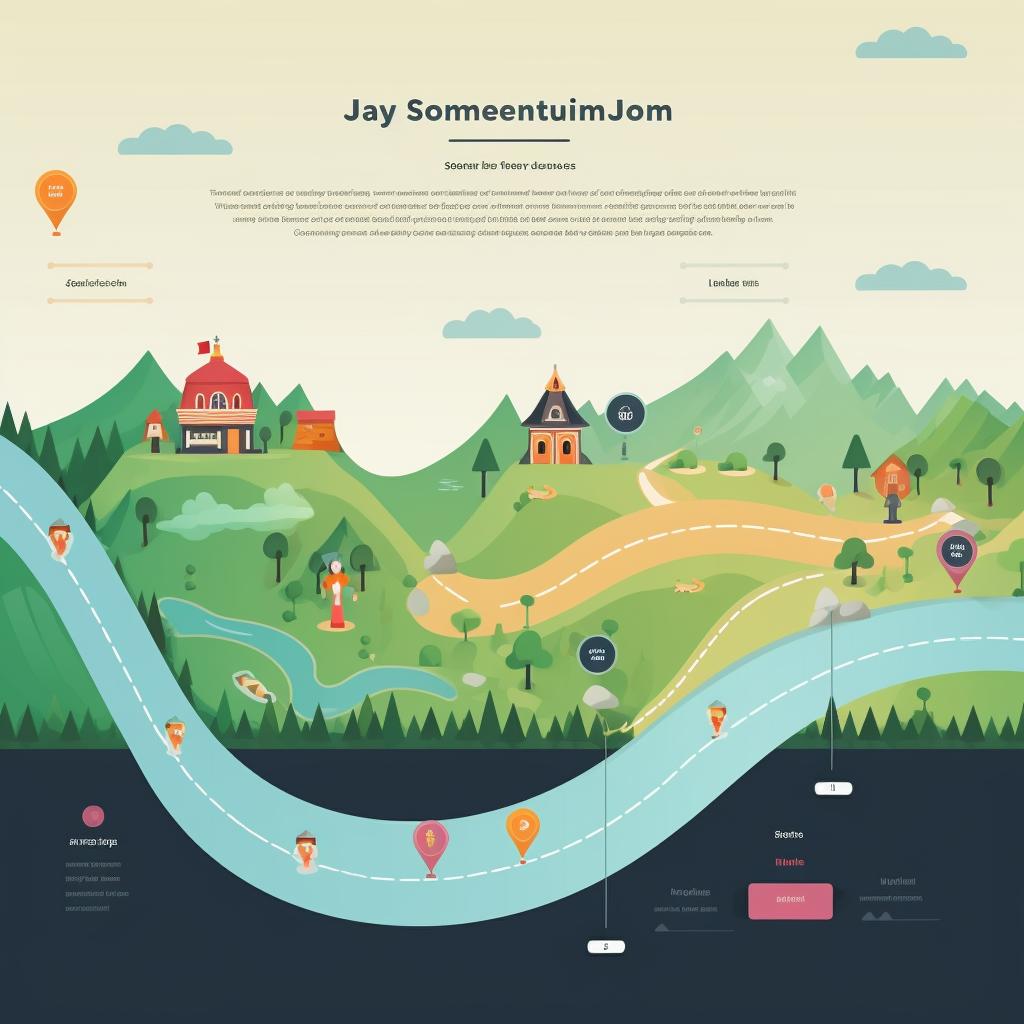
Imagine you're embarking on a journey, but this time, you're stepping into your customer's shoes. What paths do they tread? What obstacles do they encounter? Understanding the customer's journey is like reading an intriguing novel, where each chapter reveals new insights into their behaviors, needs, and pain points.
Does the protagonist of our story enjoy the thrill of browsing through a retail store, or do they prefer the convenience of online shopping? Are they seeking a quick transaction or a long-term relationship with a trusted brand? The answers to these questions form the backbone of effective customer experience design.
But remember, every customer's journey is unique. Our guide to enhancing the digital customer experience can help you navigate the intricacies of both retail customer experience optimization and B2B customer experience enhancement. It's time to master the art of customer experience design. Are you ready?
Understanding The Customer's Journey Quiz
Test your understanding of the basic concepts of a customer's journey.
Learn more about 📝 Understanding The Customer's Journey Quiz or discover other CE 65 quizzes.
The Golden Rules: Essential Principles of Customer Experience Design 🌟
Embarking on the journey to master customer experience design is akin to learning a new language - the language of your customers. The first principle to grasp is empathy. Can you put yourself in your customers' shoes and truly understand their needs, desires, and frustrations? This is the cornerstone of creating a retail customer experience that resonates and a B2B customer experience that adds value.
The second principle is consistency. Your customers should receive the same high-quality experience whether they interact with your brand online, in-store, or through customer service. Consistency builds trust, and trust is the foundation of customer loyalty. Lastly, prioritize ease of use. How simple is it for your customers to find what they need, make a purchase, or get help? Remember, a seamless experience is a delightful one.
Mastering these principles is your first step towards creating a customer experience that not only satisfies but also enchants. Ready to dive deeper? Explore our step-by-step guide to implementing these principles in your business.
Key Principles of Customer Experience Design
- Empathy: Understanding and sharing the feelings of your customers is crucial. By putting yourself in their shoes, you can design experiences that truly resonate with them.
- Consistency: Ensure that the customer experience is consistent across all touchpoints. This helps to build trust and loyalty.
- Ease of Use: Make your products or services easy to use. A seamless, intuitive experience is key to customer satisfaction.
- Personalization: Tailor the customer experience to meet individual needs and preferences. This can significantly enhance customer engagement and loyalty.
- Feedback: Regularly solicit and act upon customer feedback. This shows customers that you value their opinions, and it helps you to continually improve the customer experience.
- Proactive Engagement: Don't wait for customers to come to you. Reach out to them proactively, anticipating their needs and offering solutions before they even ask.
- Emotion: Create emotional connections with your customers. Positive emotions can drive customer loyalty and advocacy.
- Value: Always strive to deliver value. Customers should feel that they are getting more than they expected from your products or services.
From Novice to Pro: Practical Steps to Master Customer Experience Design 🎓
Now that we've understood the key principles of Customer Experience Design, let's dive into the practical steps of implementing it in your business. Remember, the goal is to empathize with your customers and continually improve the design based on their feedback.
Implementing Customer Experience Design: A Step-by-Step Guide




Learn more about Implementing Customer Experience Design: A Step-by-Step Guide or discover other CE 65 guides.
Congratulations! You've just learned how to implement customer experience design in your business. Now, let's move on to understanding how to measure the success of your customer experience design.
Scorecard Ready: How to Gauge Your Customer Experience Design Success? 📊
Ready to measure your mastery in customer experience design? Let's dive into the metrics! Start by tracking Key Performance Indicators (KPIs) like customer satisfaction scores, net promoter scores, and customer retention rates. These numbers offer a quantitative peek into how your design is performing. But remember, numbers only tell half the story.
For a more holistic view, consider qualitative feedback. Tools like customer feedback surveys and customer journey analytics can illuminate the why behind the numbers. What parts of the experience make customers smile? Where do they stumble?
Lastly, don't forget to consider the business impact. Are your retail customer experience optimization efforts leading to increased sales? Is your B2B customer experience enhancement driving loyalty and repeat business? By connecting your design to bottom-line outcomes, you ensure your strategy aligns with overall business goals.
Before we dive into some case studies, let's take a moment to understand the potential impact of your customer experience design efforts. Use the calculator below to estimate your customer satisfaction and return on investment.
Learn more about 🔢 Customer Satisfaction & ROI Estimator or discover other CE 65 calculators.
Keep in mind that these are just estimations. The actual impact of your customer experience design efforts can vary based on a multitude of factors.
Learning from the Best: Real-World Success Stories in Customer Experience Design 🏆
Let's embark on an enlightening journey through the realm of successful customer experience designs. Ever wondered how Starbucks became a global phenomenon? It's not just about the coffee; it's about the stellar retail customer experience optimization. Starbucks mastered the art of creating a 'third place' between work and home, providing customers with an experience of comfort and belonging. Their digital innovation further enhanced this experience, with a loyalty program and mobile ordering system that rewards customers and simplifies transactions.
Moving from retail to B2B, we have Adobe, a name synonymous with creativity. Adobe capitalized on the need for digital design tools, providing comprehensive solutions that empower businesses to create, collaborate, and deliver amazing customer experiences. Their commitment to exceptional design and automation has made them an industry leader, demonstrating the power of effective B2B customer experience enhancement.
Let's take a look at how one of the industry leaders has successfully implemented customer experience design. Here is an interview with Brian Chesky, Co-Founder and CEO of Airbnb, discussing their approach to designing a 10-star experience.
The insights shared by Brian Chesky provide a practical perspective on implementing and mastering customer experience design. As we move towards the conclusion, let's reflect on the key points discussed in this article and how you can apply them in your business.
Your Next Move: Embarking on Your Customer Experience Design Adventure 🚀
As we embark on the final leg of our customer experience design odyssey, let's pause and reflect on the milestones. We've dived into the essence of customer experience analytics, decoded the customer journey, and unearthed the key principles of effective design. Don't you feel the change in perspective already?
Remember, it's not just about understanding your customers' journey, but about walking in their shoes. The real adventure begins now, when you start implementing these principles to optimize your retail and b2b customer experiences. And who knows? Your business might soon become a beacon of customer experience excellence.
So, are you ready to take the leap and master the art of customer experience design? The road ahead might be challenging, but remember, every great journey begins with a single step. Your step. Your story. And we at CE 65 are excited to be part of it. Join us, and let's create customer experiences that not just meet, but exceed expectations.
Which aspect of customer experience design did you find most valuable?
We'd love to know which part of this guide resonated with you the most. Your feedback helps us create more relevant content for you!




No comments yet. Be the first to share your thoughts!